Türkiye’s Naval Power Escalates with Rapid Aircraft Carrier Construction
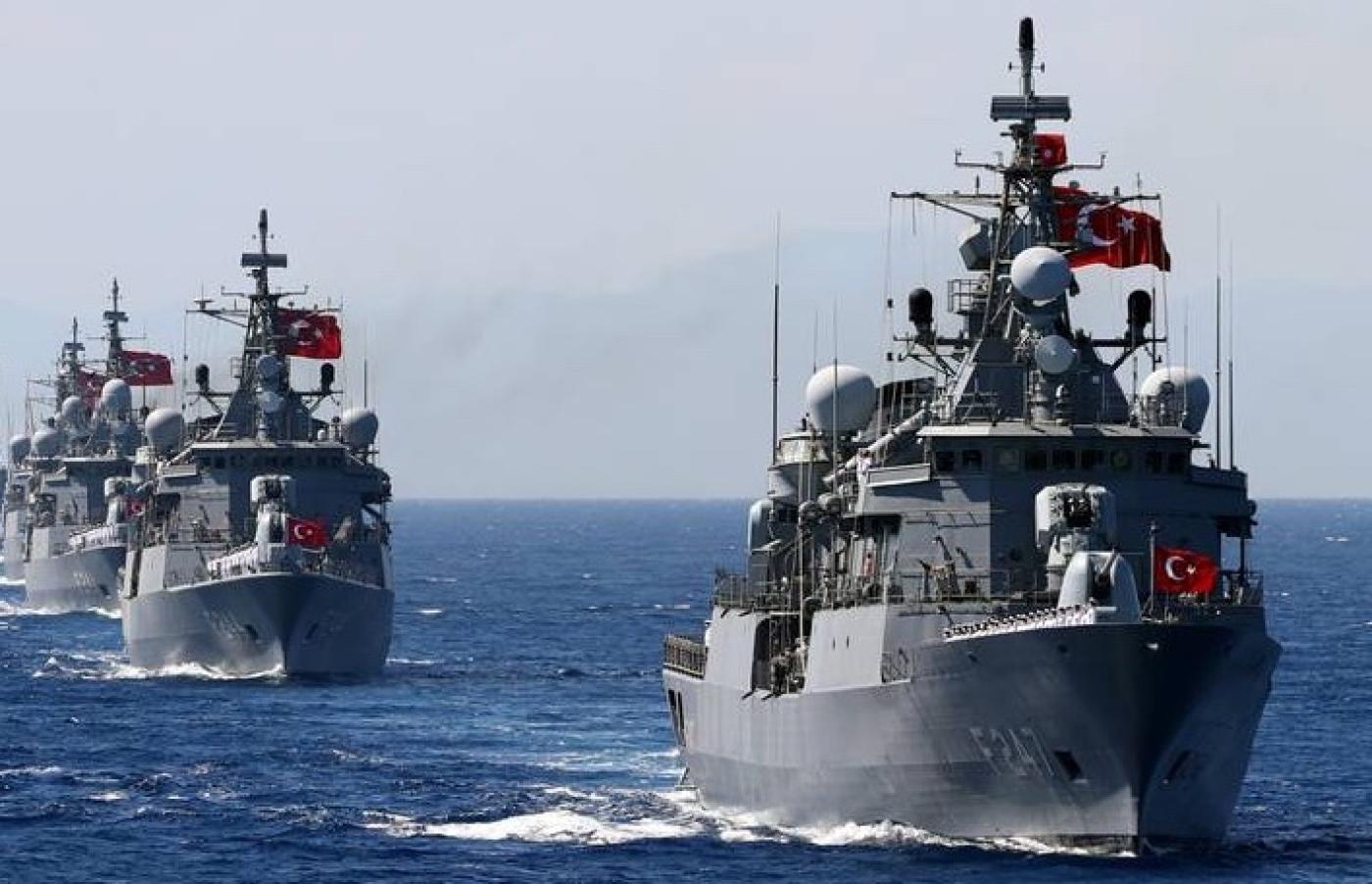 Turkish navy
Türkiye’s naval power is entering a transformative era as the nation accelerates the construction of its first national aircraft carrier, the Mugem. Amid intensifying regional friction and being likened to “the next Iran” by Israeli leadership, Ankara is prioritizing the completion of this 60,000-tonne vessel to reassert its influence in the Eastern Mediterranean. Originally slated for a later date, the ship’s hull is now expected to be finished by late 2027—nearly a year ahead of schedule—signaling a strategic urgency to establish high-level maritime deterrence.
Strategic Necessity in a Hostile Mediterranean
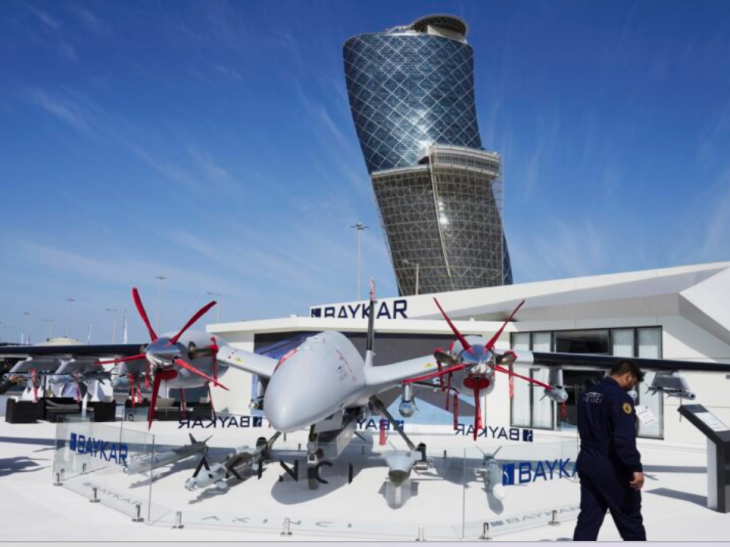
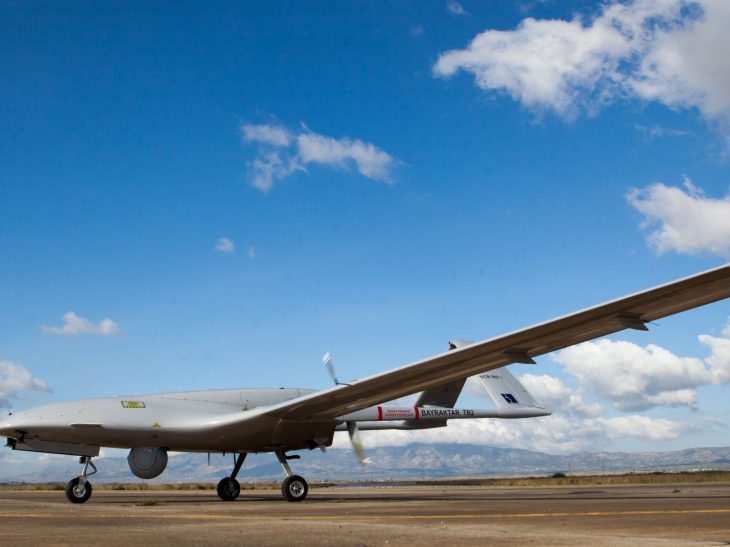
The drive to enhance Türkiye’s naval power stems from a growing sense of isolation in the Eastern Mediterranean. As Israel deepens its military and energy ties with Greece and Cyprus, Turkish analysts view the Mugem as a “force multiplier” essential for breaking regional containment. Measuring 285 meters in length, the carrier will surpass the French Charles de Gaulle in size, providing Ankara with a mobile airbase capable of hosting 60 aircraft. This includes advanced unmanned platforms like the Kizilelma stealth fighter drone and the Bayraktar TB3, which are designed to compensate for the country’s exclusion from the F-35 program.
Defensive Arsenal and Global Power Projection
Beyond regional deterrence, the carrier project is a cornerstone of Türkiye’s naval power projection in North Africa and the Horn of Africa. With significant investments in Libya, Sudan, and Somalia—including offshore energy drilling and a planned space launch facility—Ankara requires a blue-water navy to protect its overseas interests. The Mugem will be equipped with sophisticated vertical-launching systems and AI-assisted defensive mechanisms to counter modern threats such as ballistic missiles and asymmetric drone attacks, which have recently challenged older naval doctrines.
Economic Challenges and Defense Priorities
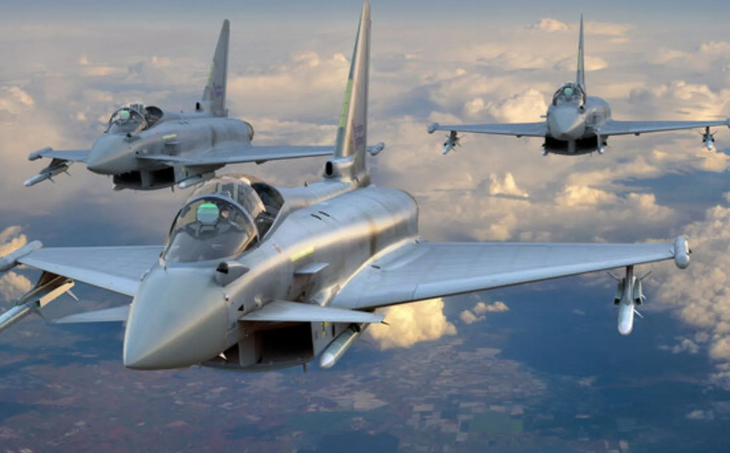
While the project elevates Türkiye’s standing within NATO and increases its diplomatic bargaining power, it faces internal debate regarding its cost. Some military experts argue that Türkiye’s naval power would be better served by prioritizing the Kaan fifth-generation fighter jet and completing its fleet of Istanbul-class frigates and anti-air warfare destroyers. Critics suggest that an aircraft carrier requires a massive support strike group—including submarines and early warning aircraft—that the current budget may struggle to sustain. Nevertheless, the government remains committed to the 2030 operational goal, viewing the carrier as an indispensable lever in modern “gunboat diplomacy.”
Source: middleeasteye