Türkiye’s Agricultural Costs Surge Amid Rising Global Tensions
 agriculture
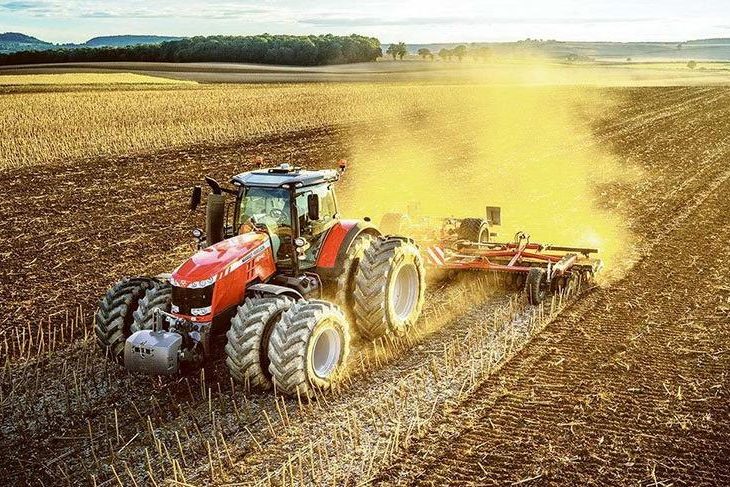
Türkiye’s agricultural costs are rising sharply as regional conflicts and global energy disruptions hit the heart of Anatolia. In the vast wheat fields of Haymana, farmers are reporting that the escalating war involving the United States, Israel, and Iran is creating a volatile economic environment. The ripple effects of these geopolitical crises are being felt on the ground, where rising prices of essential inputs threaten the stability of both crop production and livestock farming.
The Direct Impact of Fuel and Input Prices
The most immediate pressure on Türkiye’s agricultural costs comes from the unpredictable spikes in diesel prices. For modern farming operations, fuel is a non-negotiable expense required for tilling, harvesting, and transporting goods. Turker Topal, a fourth-generation farmer in Ankara, notes that the conflict has made diesel a primary financial burden.
“When our input costs rise, it affects our milk and other production,” Topal explained, noting that these financial hurdles are forcing young producers to reconsider future investments and business expansion.
Global Supply Chain Disruptions and Fertilizer Shortages
A critical factor driving the current crisis is the disruption of trade through the Strait of Hormuz, a vital artery for the world’s energy and fertilizer supply. Because domestic farming is heavily dependent on imported natural gas for nitrogen fertilizer production, any tension in the Middle East translates into higher local prices.
Erkut Kubat, deputy head of the Haymana Chamber of Agriculture, pointed out that the “oil-dollar relationship” ensures that global fluctuations are transmitted to local farms almost instantly. Since the onset of recent hostilities, fertilizer and diesel prices have surged by more than 20%, straining the budgets of traditional and industrial farms alike.
Structural Vulnerabilities and Government Intervention
Experts suggest that the country’s vulnerability lies in its high dependence on imported agricultural inputs. While the government has implemented measures to ease the burden—such as tax reductions on agricultural diesel—the scale of the problem remains global. As energy prices shift due to geopolitical instability, the entire cost structure of farming undergoes a fundamental change. For the producers in Haymana and across the Anatolian plateau, maintaining food security and household income now depends as much on international diplomacy as it does on the spring harvest.
Source: english.news.cn