Turkey Promotes “Middle Corridor” as Alternative to Hormuz Trade Routes
 trump road
By John Paul Rathbone, FT. This is a translation of the version published in Turkish press
Türkiye is accelerating efforts to position itself as a strategic trade hub linking Asia and Europe, promoting the “Middle Corridor” as a land-based alternative to maritime chokepoints such as the Strait of Hormuz. While geopolitical disruptions are boosting the appeal of the route, major logistical and political challenges remain.
Ankara Pushes Strategic Trade Vision
Türkiye is stepping up efforts to market itself as a critical transit hub for global trade and energy flows, as instability in the Middle East and beyond disrupts traditional routes.
At the center of this strategy is the “Middle Corridor,” an overland trade route linking China to Europe through the Caucasus and Türkiye. The initiative has gained renewed urgency amid ongoing tensions around the Strait of Hormuz, one of the world’s most critical energy transit routes.
President Recep Tayyip Erdoğan recently framed the country as a “safe haven” for trade and logistics, arguing that global crises could create new economic opportunities for Ankara.
Armenia Border Reopening Key to Corridor Plans
A crucial component of the plan is the potential reopening of Türkiye’s long-closed land border with Armenia.
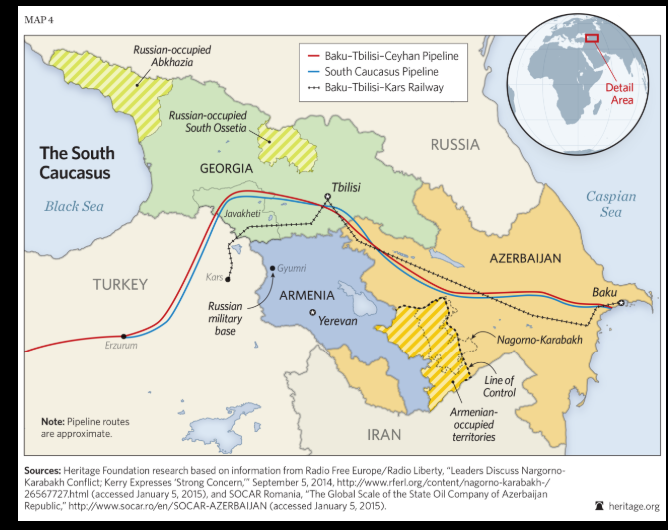
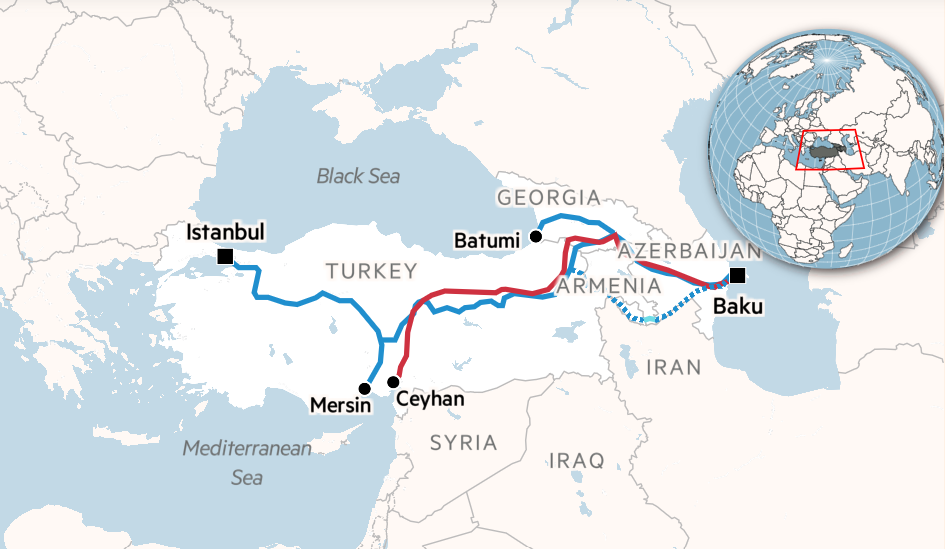
The Alican border crossing—shut since 1993—has recently seen technical upgrades, including the installation of passport processing systems. If reopened, it would unlock a direct land route linking Türkiye to Azerbaijan through Armenian territory.
This route forms part of a broader US-backed initiative known as the “Trump Route for International Peace and Prosperity” (TRIPP), which aims to support normalization between Armenia and Azerbaijan while boosting regional connectivity.
Middle Corridor vs Maritime Trade
Supporters argue that the Middle Corridor could significantly reduce transit times:
- Sea routes between Asia and Europe: ~40 days
- Middle Corridor: 12–15 days
Former prime minister Binali Yıldırım highlighted the potential, noting that Europe-Asia trade totals around $3 trillion annually, with the vast majority still transported by sea.
Trade volumes along the corridor have already tripled between 2021 and 2025, though from a low base.
European Interest Growing
European policymakers are increasingly supportive of alternative trade routes that reduce dependence on volatile regions.
EU Commissioner Marta Kos described Türkiye as a “critical partner” and called the expansion of the Middle Corridor a potential “game changer” for regional connectivity.
Two Core Projects Driving the Vision
Türkiye’s broader logistics strategy centers on two major initiatives:
1. Development Road Project
- Road and rail network linking the Gulf to Europe through Türkiye
- Still in early planning stages
- Requires significant investment
- Passes through politically unstable Iraq
2. Middle Corridor Expansion (TRIPP)
- Rail and road link through the Caucasus
- Connects Türkiye to Azerbaijan through Armenia
- Backed by the US as part of regional peace efforts
Major Challenges Remain
Despite strong political backing, the corridor faces substantial obstacles:
- Infrastructure gaps: inconsistent rail systems and slow ferry crossings across the Caspian Sea
- Customs complexity: multiple border crossings increase delays
- Competition: northern route through Russia already carries ~40 million tonnes annually
- Security risks: proximity to Iran raises geopolitical concerns
A recent report by JPMorgan described the corridor as “needed by many, but used by few.”
Geopolitical Balancing Act
Türkiye’s strategy reflects a broader attempt to leverage its geography as a bridge between Europe, Asia, and the Middle East.
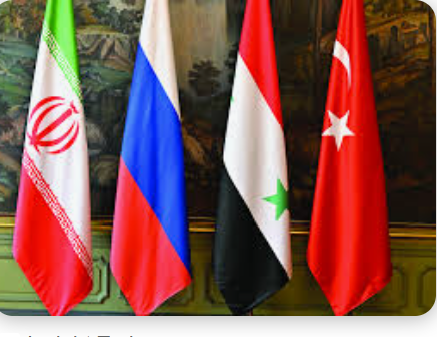
The country has avoided direct involvement in both the Ukraine war and the Iran-related conflict, positioning itself as a neutral transit hub.
At the same time, tensions with Russia remain a risk. President Vladimir Putin recently warned Armenia over shifting trade alignments, highlighting the fragile geopolitical balance in the region.
Energy Flows Reinforce Türkiye’s Role
Türkiye already plays a key role in global energy transit:
- ~3.5 million barrels of oil pass daily through the Bosphorus
- The Baku–Ceyhan pipeline carries up to 1.2 million barrels per day
Additional projects, including a potential Trans-Caspian gas pipeline, could further strengthen its position as an energy hub.
Outlook: Ambition vs Reality
While Türkiye’s ambitions are clear, analysts caution that replacing maritime chokepoints like the Strait of Hormuz in the near term remains unlikely.
The success of the Middle Corridor—and especially the TRIPP project—will depend on:
- Political agreements between Armenia and Azerbaijan
- Sustained US support
- Infrastructure investment
- Regional stability
For now, the initiative reflects both opportunity and constraint: a strategic vision shaped as much by geopolitics as by economics.