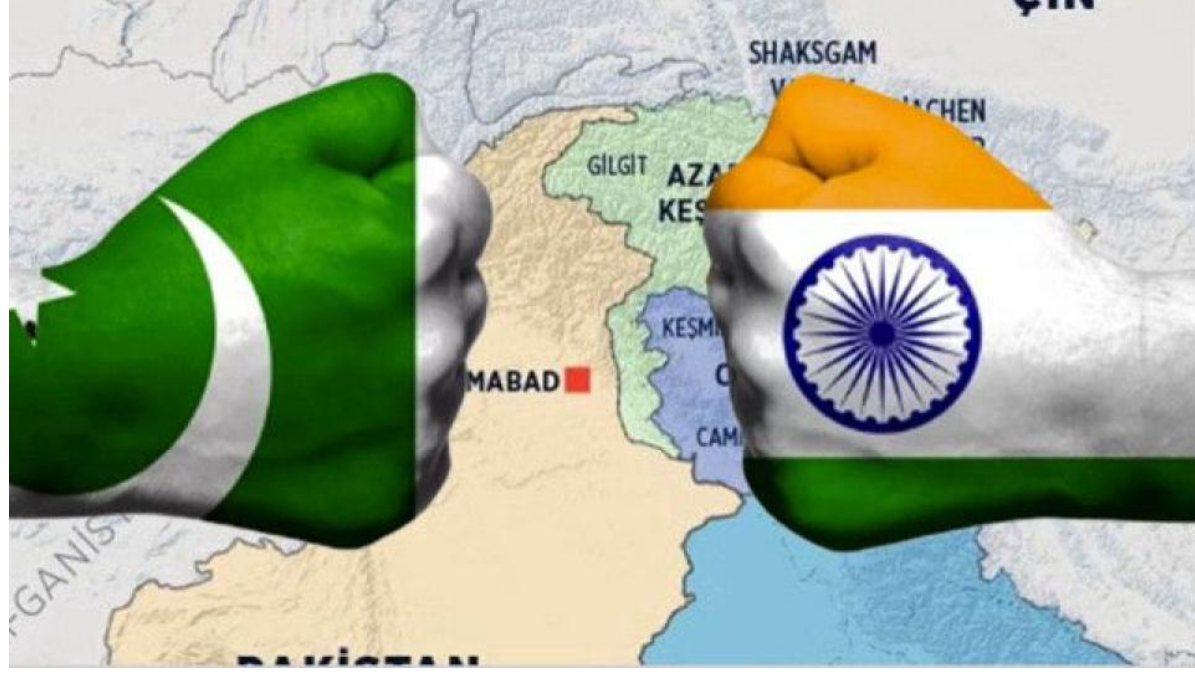
Turkey Disrupts Israeli Proxy Plan to Deploy PKK-PJAK Forces
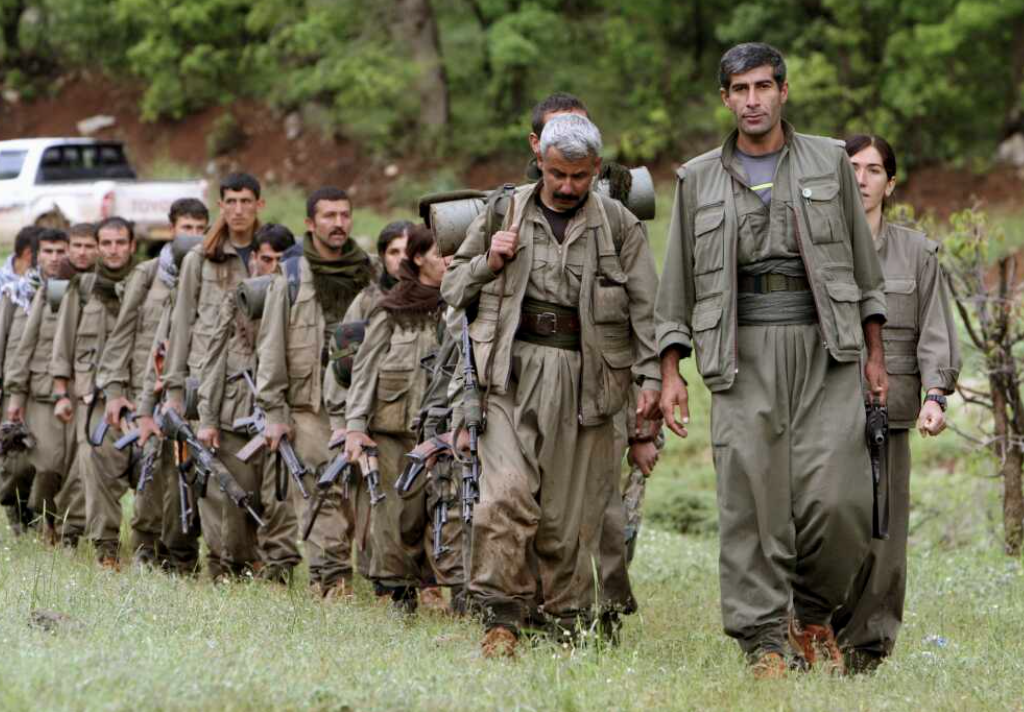 PKK
PKK
In a significant diplomatic and intelligence maneuver, Turkey has reportedly dismantled a plan by Israel to utilize the PKK and its Iranian affiliate, PJAK, as proxy ground forces against Iran. This intervention comes amidst the broader U.S.-Israeli military campaign in the region, with Ankara taking a firm stance to protect regional stability and Iran’s territorial integrity. According to high-level security sources, President Recep Tayyip Erdoğan directly warned U.S. President Donald Trump that Turkey would not hesitate to strike these terrorist organizations if they were drawn into the conflict.
The Four-Pronged Strategy: Diplomatic and Military Warnings
The reported Israeli plan sought to position PKK-PJAK elements as a localized ground force starting in late February 2026. Turkish intelligence (MİT) detected early movements on both sides of the border, triggering a rapid response across four distinct fronts. Foreign Minister Hakan Fidan and MİT Head İbrahim Kalın engaged in intensive coordination with the Iraqi central government and the Kurdish Regional Government (KRG) to deliver a clear message: any involvement by these groups would result in immediate Turkish military intervention.
During these high-stakes meetings, Turkish delegations drew parallels to previous operations in Syria, stating that Ankara would “strike without hesitation” regardless of any ongoing internal peace processes. This “zero-tolerance” policy was communicated to ensure that no terrorist “corridor” or proxy front could be established during the regional chaos.
Internal Pressures and the Öcalan Message
In a notable development, the effort to block the proxy plan involved an internal message from the imprisoned PKK leader, Abdullah Öcalan. Sources indicate that Öcalan sent a directive to the organization’s headquarters in the Qandil Mountains, explicitly ordering it not to become involved in the situation in Iran. His warning to “not fall for Israel’s game” served as a strategic internal check, complementing the external military pressure applied by the Turkish state.
Impact on the “Terror-Free Turkey” Disarmament Process
While the proxy plan was successfully blocked, the ongoing war has created a significant “slowdown” in the domestic PKK disarmament process. Originally, a framework law was expected in early April 2026, following the “Terror-Free Turkey Commission” report. However, the shifting dynamics have delayed this timeline:
-
Strategic Hesitation: Security sources suggest the PKK is now viewing the instability in Iran as a potential “exit route” or a new base of operations, stalling the evacuation of regions like Hakurk and Gabar.
-
Legislative Delays: AK Party sources confirm that, while the process has slowed, the goal remains to pass the necessary peace-process laws before the parliamentary recess in July.
Ankara’s primary objective remains the maintenance of the regional status quo. By preventing the instrumentalization of terrorist groups in the Iran-Israel war, Turkey aims to avoid a “fire” that could spill over its borders and permanently derail its long-term goal of ending domestic terrorism.
Related articles
Trump Erdogan phone call: Trump reminds Erdogan of Pastor Brunson again
Erdoğan Highlights Progress in “Turkey Without Terror” Initiative at Malazgirt
Turkey Navigates Neutrality Amid US-Israel-Iran Conflict