Turkey Navigates Neutrality Amid US-Israel-Iran Conflict
 Turkey-Iran-buffer-zone
As the regional conflict intensifies, Turkey finds itself in a precarious geopolitical position, balancing its NATO obligations with a firm desire to prevent any single power from dominating the Middle East. Recent incidents involving debris from intercepted Iranian missiles falling within Turkish borders have heightened national security concerns, prompting a series of decisive statements from Ankara’s leadership. While maintaining a policy of “involved neutrality,” Turkey is prioritizing the protection of its airspace while eyeing a potential future role as a regional mediator.
NATO Interceptions and National Security Measures
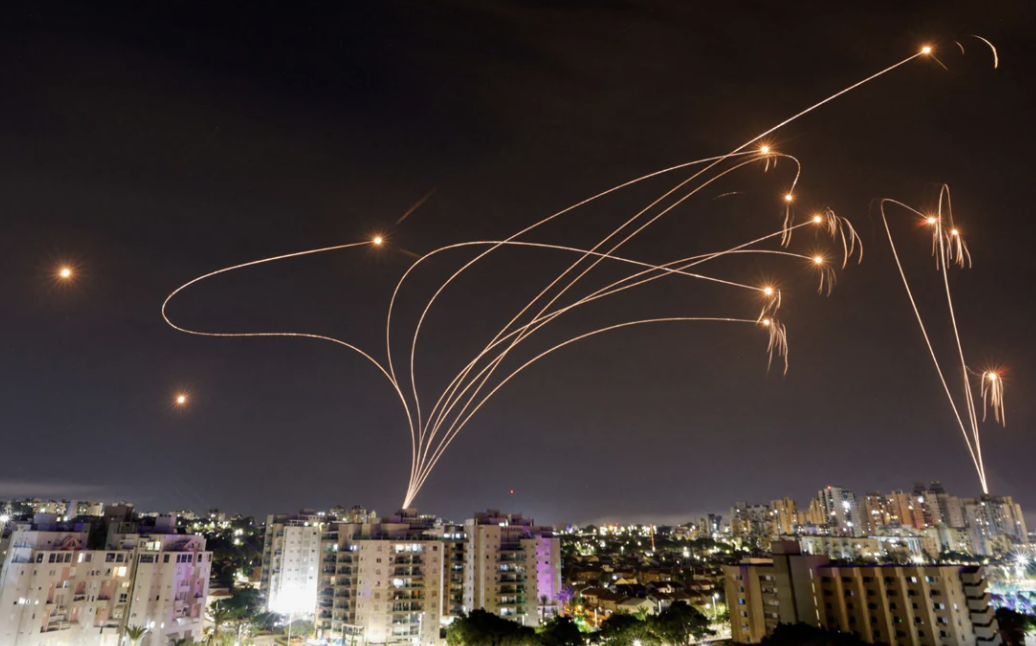
The conflict reached a critical point on March 30, when NATO security systems intercepted an Iranian ballistic missile that entered Turkish airspace—the fourth such violation since the war began. The National Defense Ministry has responded by reinforcing its commitment to territorial integrity, stating that all necessary measures are being taken “decisively and without hesitation.” Turkey remains a vital hub for NATO resources, hosting the Kürecik Radar Station and the İncirlik and Konya air bases, which play central roles in regional surveillance and defense.
Experts suggest these missiles were likely not targeting Turkey directly. Researcher Reza Talebi notes that the debris likely resulted from US naval systems, such as SM-3 interceptors, neutralizing missiles bound for other regional targets, such as Cyprus. Despite Iran’s denials of targeting Turkey, President Recep Tayyip Erdoğan has been clear: the violation of Turkish airspace “cannot be excused for any reason.”
The Internal Dilemma: Stability, Migration, and Regional Actors
For Ankara, the primary concern is not a direct military confrontation but the “spirit of instability” that war brings. A protracted conflict on Turkey’s borders raises the immediate threat of massive migration waves and economic disruption. Foreign Minister Hakan Fidan and MHP leader Devet Bahçeli have both criticized “Israeli expansionism” and “foreign intervention” by the US, arguing that attempts to redesign Middle Eastern security around a single actor are destined for failure.
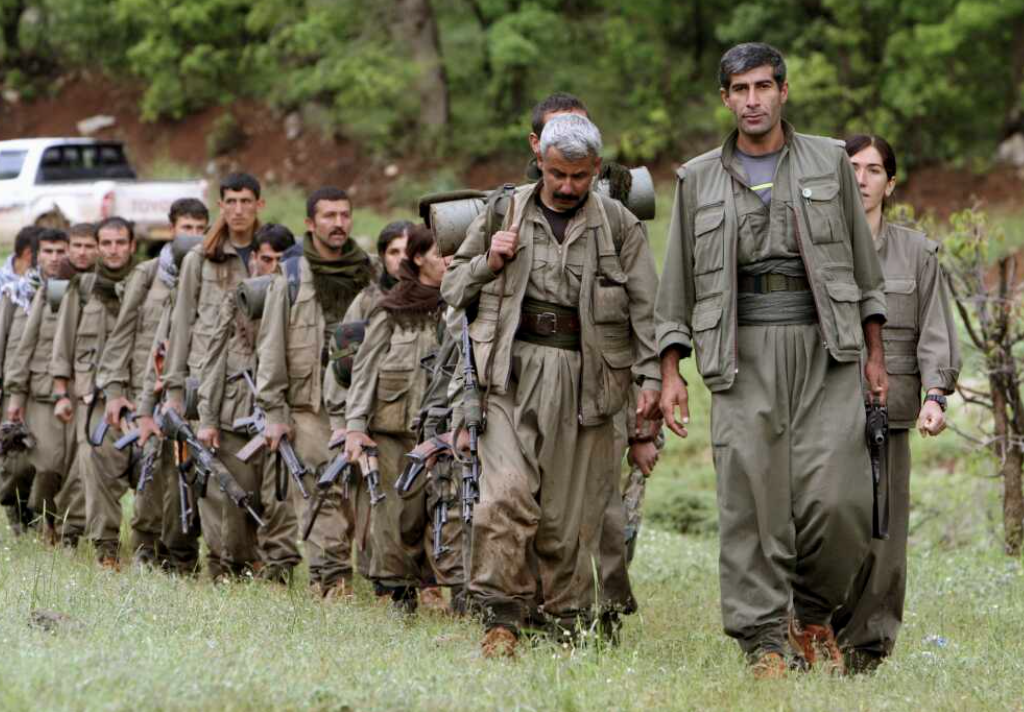
Political analysts, including Mehmet Akif Koç, describe Turkey’s strategy as a “four-actor balance.” By ensuring that Iran, Israel, and the Gulf states remain in competition without any one achieving hegemony, Turkey maintains the regional status quo. This delicate dance also involves monitoring the potential arming of Kurdish groups by Washington—a development that remains a red-flag issue for Ankara’s long-term security.
Diplomatic Pathways and the Call for Active Mediation
While the government maintains its current course, opposition voices, such as CHP Prof. İlhan Uzgel, are calling for more “active diplomacy.” There is a growing sentiment that Turkey should lead a regional coalition to issue a unified stance against the “war of choice.” For now, Ankara continues to navigate the crisis by:
-
Refusing to allow its airspace or facilities to be used for offensive strikes against Iran.
-
Advocating for a return to the negotiating table to prevent further humanitarian disaster.
-
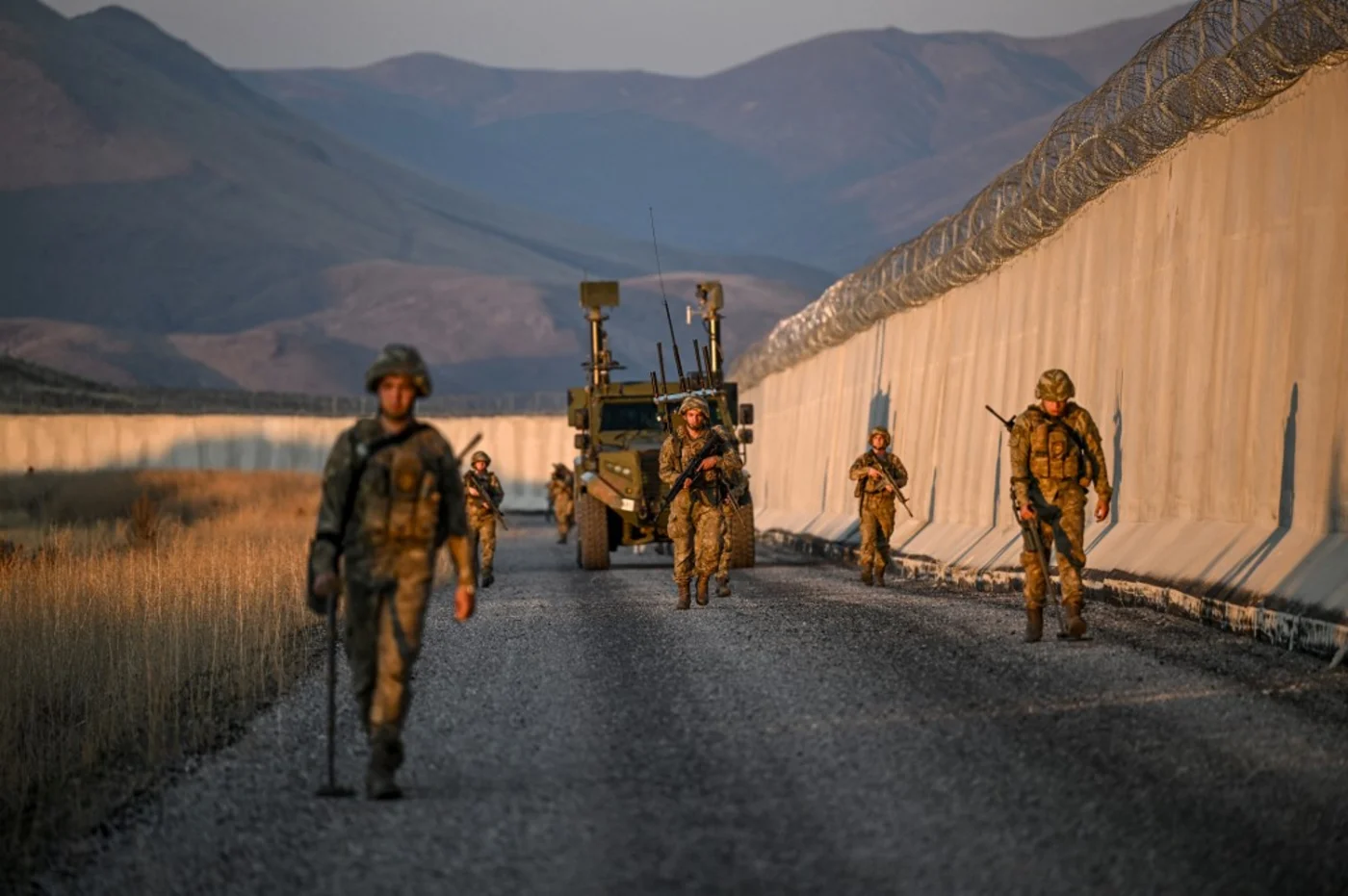
Strengthening domestic defense readiness to deter any accidental or intentional spillover.
Ultimately, the consensus among Turkish leadership and regional observers is that the ongoing violence offers no winners—only a shifting landscape of risks that Turkey must manage through careful, involved neutrality.