The Strait of Hormuz Blockade Threatens Turkey’s Food Security
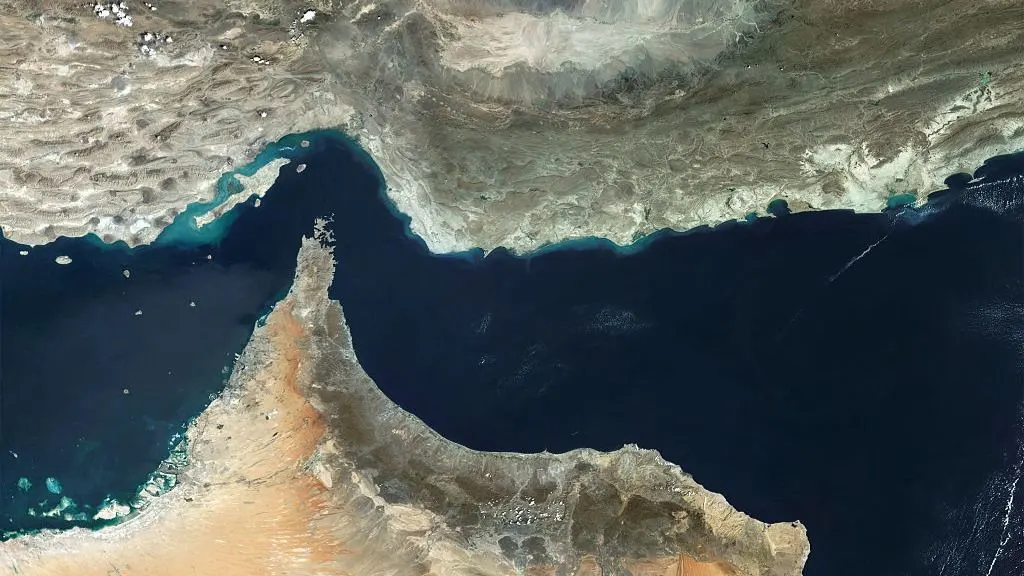 Strait-of-Hormuz
The military escalation in the Persian Gulf has moved beyond energy markets, striking at the heart of global food systems. As of March 18, 2026, the de facto blockade of the Strait of Hormuz has paralyzed the maritime delivery of agricultural inputs. According to industry data, Turkey is now the second most vulnerable country in the world, following only Brazil, to disruptions in fertilizer shipments passing through the strait. This external shock arrives at the worst possible moment for Turkish agriculture, which is still reeling from the devastating 2025 drought.
The Surge in Nitrogen Fertilizer Prices
The Strait of Hormuz is the primary artery for nitrogen-based fertilizers, including urea, ammonia, DAP, and MAP. Analysis from March 2026 indicates that nearly two-thirds of the 16 million tons of fertilizer typically moved through this region is urea. Following the blockade, Middle Eastern urea prices have skyrocketed by approximately 40% in just a few weeks. This spike is driven by a “triple threat” of rising freight costs, war-risk insurance premiums, and the soaring cost of natural gas used in production. Experts warn that without immediate intervention, these costs will be passed directly to the Turkish farmer, and subsequently, to the consumer’s dinner table.
Strait of Hormuz Crisis: A Fragile Recovery Interrupted
The timing of this supply chain crisis is particularly catastrophic for Turkey. The agricultural sector faced a massive contraction in 2025 due to record-breaking low rainfall. Production figures from the previous year show significant declines across essential crops:
-
Wheat: Down 13.7% (to 17.9 million tons)
-
Barley: Down 25.9% (to 6 million tons)
-
Potatoes: Down 7.2%
-
Sunflowers: Down 11.8%
If farmers are forced to reduce fertilizer use due to the 2026 price explosion, the upcoming harvest could see even deeper yield losses. This “double hit” of reduced supply and increased input costs creates a perfect storm for a renewed wave of food inflation.
Turkey’s Food Inflation Stress Scenarios for 2026
Economists have developed three primary “stress scenarios” for Turkey’s food inflation, depending on the duration of the Hormuz blockade:
-
Short-term (3 months): A manageable impact with an additional 0.5 to 1.5 percentage points added to food inflation.
-
Medium-term (6 months): Supply shortages become structural, potentially adding 1.5 to 4 percentage points to food prices.
-
Worst-case (12 months): A sustained blockade could trigger a violent new wave of inflation, adding 4 to 8 percentage points to the food index as domestic yields collapse.
Urgent Measures for the 2026 Planting Season
With the critical spring planting window rapidly approaching, agricultural experts like Gazi Kutlu emphasize the need for an immediate “Emergency Action Plan.” Strategic recommendations include creating state-supported fertilizer buffers for essential products such as Urea and DAP, alongside an aggressive search for alternative supply markets to bypass the Persian Gulf. Ensuring that farmers have access to affordable fertilizer is no longer just an agricultural issue; it is a matter of national food security.