



Why Experts Say GDP Rankings Aren’t Saving Turkey’s Economy
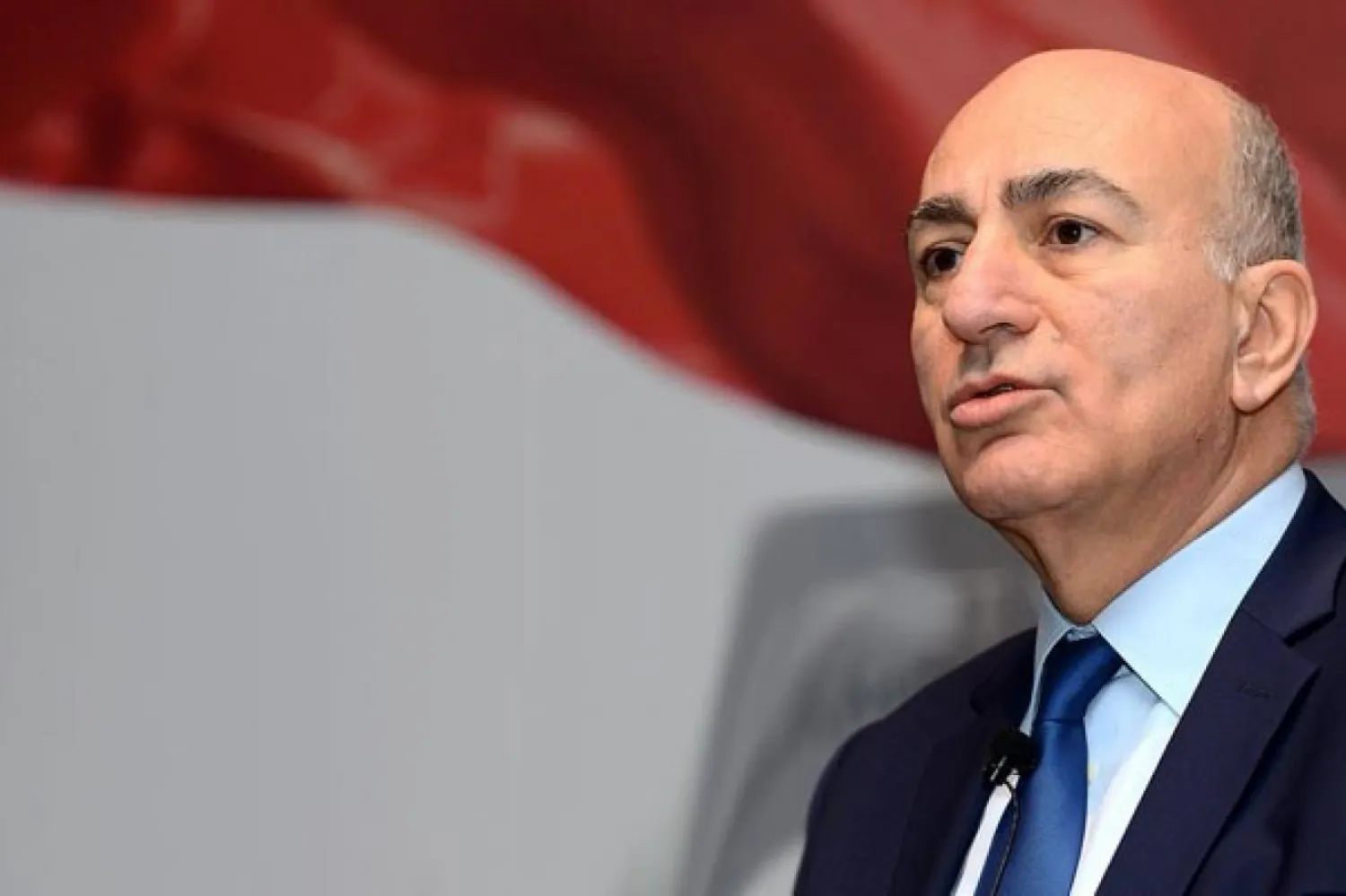 mahfi-egilmez
Renowned economist and former Treasury Undersecretary Mahfi Eğilmez has issued a stark warning regarding the disconnect between Turkey’s industrial size and its social-political health. In his latest analysis, titled “Our Place in the Global System,” Eğilmez argues that while the nation maintains a significant economic footprint, a deepening “structural crisis” in the rule of law and press freedom is making a permanent recovery in Turkey’s economy nearly impossible.
A Tale of Two Turkeys: Top 20 GDP vs. Bottom Tier Democracy
The data for year-end 2025 reveals a striking paradox. On paper, Turkey remains a global heavyweight, ranking 17th among 195 countries by Gross Domestic Product (GDP). However, Eğilmez highlights that economic output is being “poisoned” by a rapid decline in the institutional pillars that sustain long-term growth.
According to international indices cited by The Economist, Turkey’s global standing paints a grim picture of its social infrastructure:
| Category | Global Rank | Total Countries Scored |
| GDP Size | 17th | 195 |
| Rule of Law | 118th | 143 |
| Democracy Index | 103rd | 167 |
| Corruption Perception | 124th | 182 |
| Gender Equality | 130th | 146 |
| Press Freedom | 165th | 180 |
Eğilmez asserts that these figures are not just social metrics—they are leading economic indicators. When a country nears the bottom of the list in press freedom and judicial independence, it signals to the world that the environment is no longer safe for sustainable business.
The Death of Direct Investment: From Factories to “Hot Money”
The erosion of institutional trust has fundamentally altered the flow of foreign capital. In 2007, Turkey successfully attracted $22 billion in foreign direct investment (FDI). By 2025, that figure plummeted to a mere $13 billion—a critically low amount for an economy of Turkey’s scale.
Because investors no longer see a reliable legal safety net, they have abandoned long-term projects like factory construction in favor of “carry trade” or hot money. This speculative capital seeks quick profits through high interest rates but offers zero stability to the national labor market or industrial growth.
“People and institutions act on expectations; when expectations are positive, the economy naturally strengthens,” Eğilmez noted. “Turkey’s retreat in social and political spheres has turned these expectations negative.”
Why 2026 is Harder than the 2001 Crisis
Drawing a historical parallel, Eğilmez explained why today’s economic struggle is more complex than the infamous 2001 financial crash. In 2001, while the banks were failing, the nation’s social and political metrics remained relatively stable. This allowed correct economic maneuvers to trigger a rapid recovery.
Today, the economist warns that the damage is more serious. He argues that hiking interest rates or adjusting taxes are merely “band-aids” that cannot fix a broken social contract.
“Today, the deterioration in social and political areas makes permanent economic corrections impossible,” he concluded. “For long-term improvement, Turkey must first implement structural reforms, starting with the independence and supremacy of the judiciary.”