



Turkey’s Inflation: Rising Oil Prices Spark Pension Hike Forecasts
 Turkey-inflation-and-pension-rates
The intensifying conflict in the Middle East has sent global oil prices surging toward $100 per barrel, triggering a wave of upward revisions for Turkey’s inflation outlook. As fuel costs climb, market analysts now anticipate a March CPI of approximately 2%, a development that directly impacts the upcoming pension increase for millions of citizens.
Turkey’s Inflation: Fuel Prices Drive March Inflation Estimates
Initial projections for March inflation were set around 1.5%, but the geopolitical shockwaves from the US-Israel-Iran conflict have forced economists to adjust their models. Financial institutions are now aligning on a higher monthly figure:
-
OYAK Investment: Predicts a monthly CPI between 2.0% and 2.5%, warning that year-end inflation could breach the 26% mark if energy risks persist.
-
İş Investment: Forecasts a 1.9% increase, suggesting the Central Bank (CBRT) will likely maintain its “wait-and-see” pause on interest rates until at least June.
-
Tacirler Investment: Estimates a 1.9% rise, noting that while the “sliding scale” (eşel mobil) system has softened the blow of fuel hikes, rising LNG and fertilizer costs pose additional risks.
Impact on Pensions: 3-Month Hike Reaches 10.1%
For retirees and civil servants, these inflation figures are critical for determining the mid-year salary adjustment. The cumulative inflation for the first two months of 2026 had already reached 7.95%.
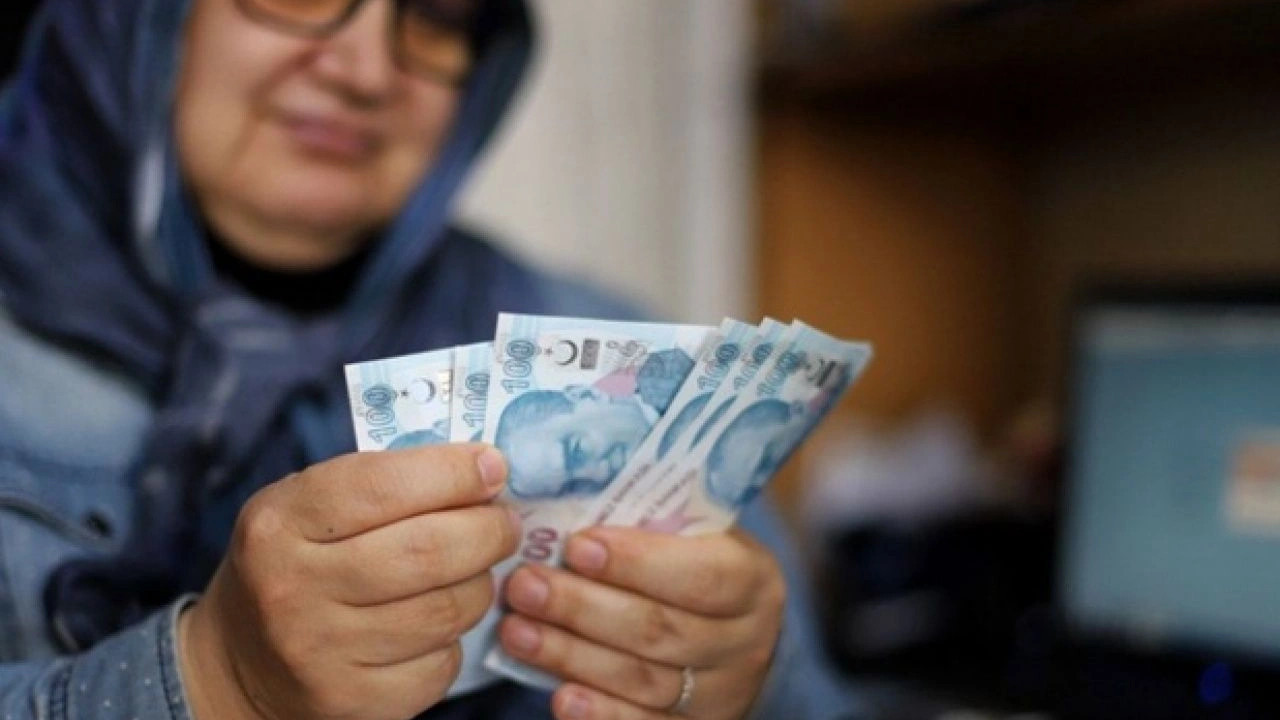
If the consensus forecast of 2% for March holds true, the total 3-month salary increase will reach 10.1%. This cumulative figure will serve as the baseline for the final 6-month adjustment due in July, providing a significant buffer against the rising cost of living.
CBRT on High Alert
Following the recent Monetary Policy Committee (MPC) decision to hold the policy rate at 37%, the Central Bank has signaled that it is closely monitoring “cost-push” inflation. Analysts believe that as long as energy price premiums remain high due to regional instability, the bank will prioritize its “tight stance” over any potential rate cuts to protect the Lira.