Is it Safe to Visit Turkey? Latest Travel Updates Amid Regional Tensions
 Istanbul Housing
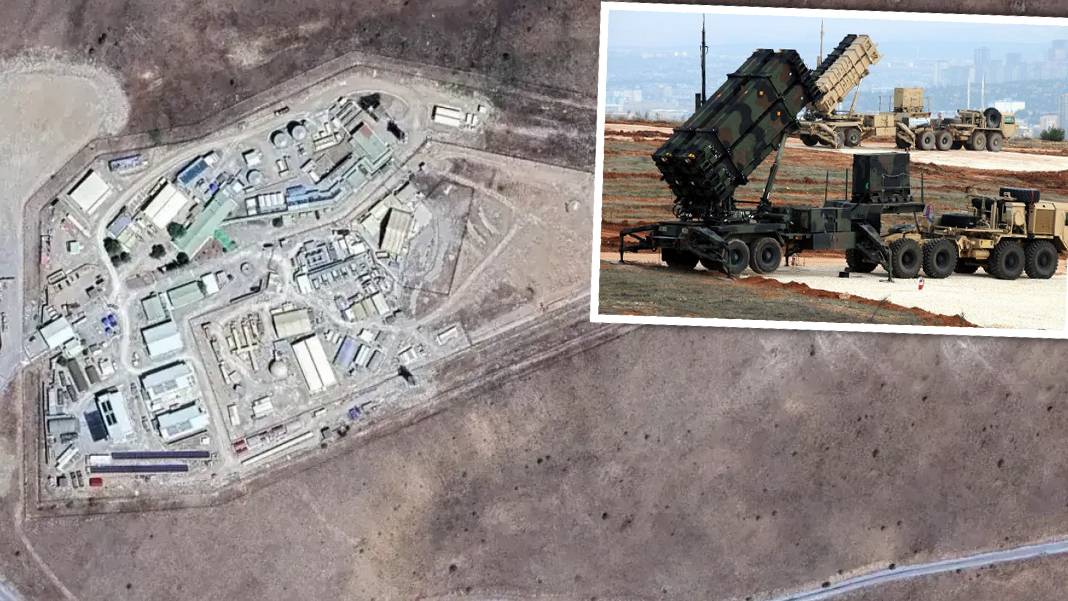
As geopolitical shifts ripple through the Middle East, travelers are closely evaluating the safety of vacationing in Türkiye. Following the escalation of military operations in Iran on February 28, which led to retaliatory strikes and debris impacts in Dubai and Cyprus, international attention has turned toward the Turkish border. On March 4, the Turkish Defense Ministry confirmed that NATO air defenses intercepted a ballistic missile targeting Turkish airspace. While no casualties were reported, the incident marked a significant moment as a NATO member was directly affected by the regional conflict.
Official Travel Advisories and Regional Security
Despite the headlines, the U.S. State Department maintains a Level 2 Travel Advisory for Türkiye, advising visitors to “exercise increased caution.” This rating aligns Türkiye with other major global destinations like France and Egypt. However, specific restrictions apply to the southeastern regions. US government personnel have been directed to avoid the Adana consular district, which covers 22 provinces in the southeast.
The advisory warns that “military activity in the Middle East region may disrupt international travel, including air travel to and from Türkiye.” While the general country remains open, a strict Level 4 “Do Not Travel” warning remains for the provinces of Sirnak and Hakkari, as well as any location within six miles of the Syrian border due to ongoing risks of civil unrest and armed conflict.
Business as Usual in Major Tourist Hubs
Travel experts and ground operators suggest that the daily reality for tourists remains largely unaffected in the country’s western and central regions. Major destinations such as Istanbul, Antalya, Göreme (Cappadocia), Ankara, and Bodrum continue to operate normally.
“The consensus on the ground in Türkiye is the same as both Egypt and Jordan,” says Chris Bazos, travel specialist and president of Travelous. “All is well, and it’s business as usual.” For those planning trips to these cultural and coastal hubs, the infrastructure for tourism remains robust and welcoming.
Insurance and Cancellation Policies
For travelers considering a change of plans, the current advisory levels play a critical role in financial recovery. Because the State Department has not issued a blanket “do not travel” order for the entire country, standard travel insurance policies are unlikely to cover voluntary cancellations.
If you are concerned about your itinerary, experts recommend contacting your airline or insurance provider directly to discuss “cancel for any reason” (CFAR) options or potential rescheduling. As it stands, Türkiye remains a viable destination for those who stay informed and stick to the primary tourist circuits.