How Turkmen Gas Reinvents the Southern Corridor
 Turkey oil pipelines
The arrival of Turkmenistan natural gas via a swap model has officially crossed its one-year milestone, marking a seismic shift in regional energy dynamics. What began as a conceptual agreement in 1998 finally materialized on March 1, 2025, effectively ending a 27-year wait. For the first time in history, Turkey is securing pipeline gas from a nation with which it shares no physical border, signaling a new era for cross-border energy trade. Under the current mechanism, Turkmenistan delivers gas to Iran, which then supplies an equivalent volume to Turkey through the Gürbulak entry point. This successful pilot reached a significant benchmark by the end of the year, delivering 1.3 billion cubic meters of natural gas directly to Turkish households.
Trans-Caspian Pipeline: The Game Changer for Europe
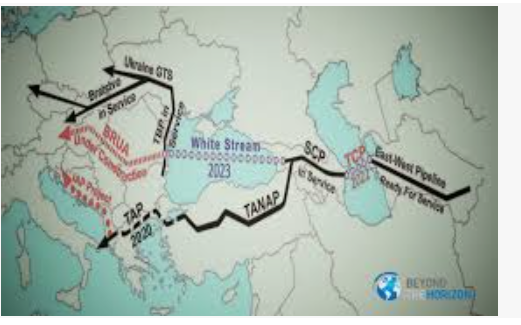
With the swap model proving viable, international attention is now fixed on the Trans-Caspian Natural Gas Pipeline. While disputes over the legal status of the Caspian Sea stalled progress for decades, the 2018 Aktau Convention has finally clarified maritime jurisdictions, paving the way for infrastructure development. The timing is critical; as Europe aggressively seeks to decouple from Russian energy, Turkey’s role as a strategic energy hub has never been more relevant. Existing networks like TANAP and TAP provide a ready-made highway for Central Asian gas, ensuring that additional volumes can reach European markets without technical bottlenecks.
Beyond Transit: Turkey as a Regional Energy Hub
The implementation of the Trans-Caspian route promises more than just a new supply line; it represents a fundamental shift in the global energy hierarchy. By establishing a direct link among Turkmenistan, Azerbaijan, and Turkey, the project transforms Turkey from a mere transit country into a sophisticated center where gas is not just moved but also priced and traded. Experts suggest this “Game Changer” infrastructure will solidify Turkey’s influence in the Southern Gas Corridor, ensuring energy security for the West while maximizing the value of Central Asian resources. This evolution signifies a transition from being a bridge to becoming the heartbeat of Eurasian energy logistics.
Related articles
Türkiye and Italy Reaffirm Strategic Alliance Amid Global Uncertainty
US Sanctions Push Turkmenistan Back to the Trans-Caspian Dream

How the New Era of Global Energy Politics Is Reshaping the World Order