ANALYSIS: Istanbul Inflation Jumps in January – Identifying the Drivers of the “New Year Shock”
 enflasyon patlamasi1
The Istanbul Chamber of Commerce (ITO) has released its first inflation data for 2026, revealing a sharper-than-expected 4.56% monthly spike in retail prices. This surge has pushed the city’s annual inflation rate to 36.15%, signaling that the battle against price volatility in Turkey’s economic engine is far from over.
The Main Culprits: Health and Transport Lead the Pack
January’s data reflects a “perfect storm” of minimum wage hikes, administrative price adjustments, and seasonal supply shocks. While most categories trended upward, the disparity between sectors reveals where the pressure is most acute.
CBRT Warns: Disinflation Loses Momentum as Prices Stay Sticky
-
Health Services (+11.94%): The undisputed “inflation champion” of the month. Annual updates to drug prices and significant wage-driven hikes in private medical services drove this double-digit increase.
-
Transportation (+9.96%): Fuel price adjustments and a massive revision in public and private transit fees in the megacity fueled this jump.
-
Restaurants & Hotels (+6.22%): A direct reflection of the 27% minimum wage hike implemented at the start of the year, showing the rapid “pass-through” effect in labor-intensive sectors.
-
Food & Beverages (+4.27%): While slightly below the headline, food inflation remains high due to winter supply constraints and rising logistics costs.
The Outlier: Clothing & Footwear (-2.32%) was the only category to provide relief, thanks to traditional January clearance sales. However, analysts warn this is a purely seasonal reprieve.
Four Key Takeaways for Global Investors
1. The Minimum Wage “Shockwave”
Economists argue that the 4.56% jump is the “traditional January shock” amplified. The 27% increase in the minimum wage has triggered a faster-than-anticipated transmission to consumer prices, particularly in services. This suggests that the “sticky” nature of Turkish inflation may persist through Q1 2026.
2. Services Inflation “Inertia” Remains Stubborn
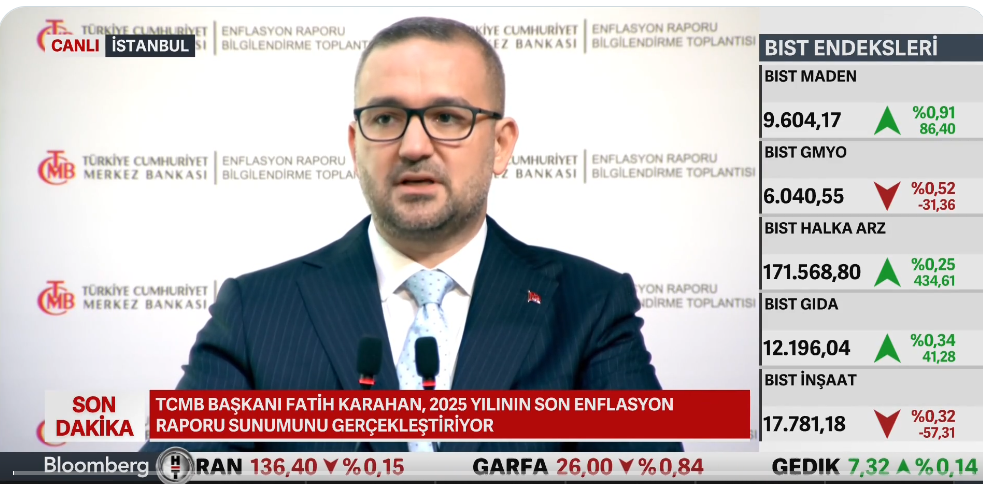
The Central Bank of the Republic of Turkey (CBRT) has repeatedly flagged “pricing behavior” as its top concern. The jump in service-heavy sectors (dining and hospitality) proves that inflation inertia is still deeply rooted. This data will likely force the CBRT to maintain a “hawkish” stance in its February 12 Inflation Report, potentially delaying further rate cuts.
3. The PPI-CPI Gap: A Silver Lining?
Wholesale prices (the producer-side proxy) rose by only 1.28% monthly. This narrowing gap suggests that while “cost-push” inflation from raw materials is stabilizing, the current fire is being stoked by “demand-pull” and wage-push factors. Producers are managing costs, but retailers are still adjusting to the new wage reality.
4. Food Inflation: TEPAV Hits a 2-Year High
Supporting the ITO data, the TEPAV Food Price Index surged by 5.17% in January—its highest monthly jump in two years. With annual food inflation at 30.5%, the “cost of the kitchen” remains the primary driver of public discontent and a major hurdle for the government’s 2026 disinflation targets.
Looking Ahead: The “TurkStat” Test
The ITO data serves as a leading indicator for the nationwide Consumer Price Index (CPI), to be released by TurkStat on Tuesday. While the consensus among 35 economists polled by Bloomberg and Reuters sits at 4.21%, the ITO’s 4.56% print suggests a potential “upside surprise.”