Gold and Silver Shortages Grip Turkey as Prices Surge and Jewelry Sector Collapses
 kuyumcu
Turkey is facing mounting shortages of physical gold and silver as global geopolitical tensions push precious metal prices to record highs, triggering panic buying among investors and deepening a crisis in the country’s jewelry sector. While demand has surged sharply in Istanbul’s Grand Bazaar, soaring prices and rising labor costs have forced hundreds of jewelry workshops to shut down, leaving the industry on the brink of collapse.
Precious Metals Boom Driven by Global Uncertainty
A sharp surge in global gold and silver prices is reshaping Turkey’s precious metals market, with physical supply becoming increasingly scarce and long-standing jewelry businesses closing at an alarming rate.
Rising geopolitical tensions, trade disputes, and fears over the future of the U.S. dollar have driven investors worldwide toward traditional safe-haven assets. In Turkey, these dynamics have led to an unprecedented surge in demand for physical gold and silver, particularly in Istanbul’s historic Grand Bazaar.
Gold prices, which rose by around 65% in 2025, have gained an additional 20% in the first month of 2026 alone. Silver has seen even more dramatic moves, climbing approximately 265% last year and a further 60% in January.
Market participants say the scale and speed of the rally have begun to distort domestic supply chains and devastate sectors dependent on affordable raw materials.
Grand Bazaar Sees “Panic-Level” Demand
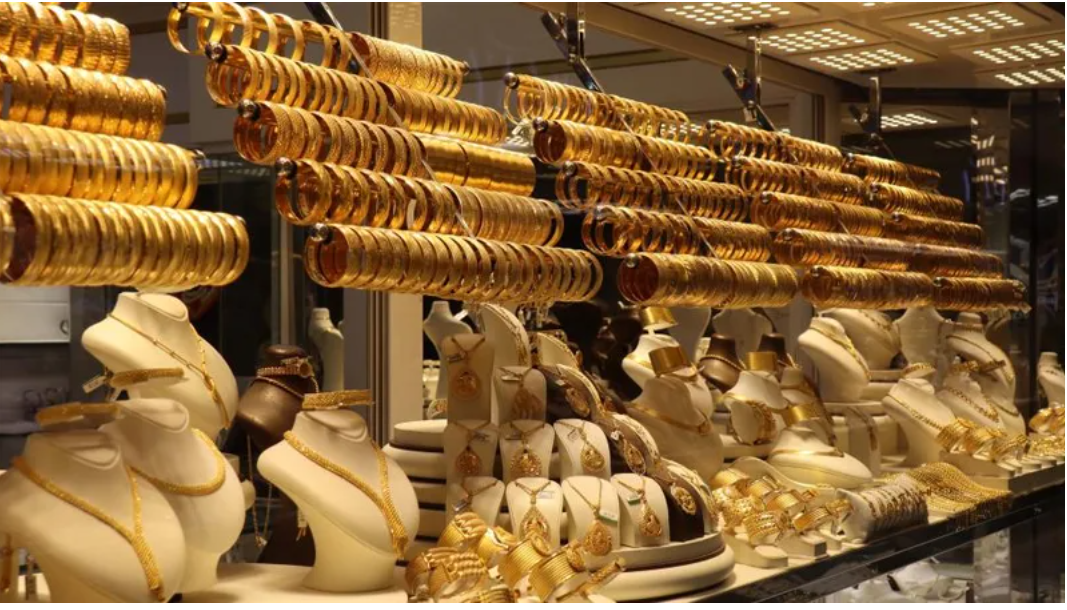
Dealers in Istanbul’s Grand Bazaar report extraordinary demand for investment-grade gold, including gram bars and traditional Turkish “Republic gold” coins.
The surge has made it increasingly difficult to source physical metal, particularly 100- to 200-gram gold and silver bars. Traders say the price gap between domestic and international markets has widened sharply, jumping from around $1,000 to as much as $5,000 in some cases.
Sector representatives note that individuals who had previously stored gold and silver at home — a common practice in Turkey — have benefited from the rally, while new buyers struggle to find supply at reasonable prices.
Economic Data Take a Back Seat to Geopolitics
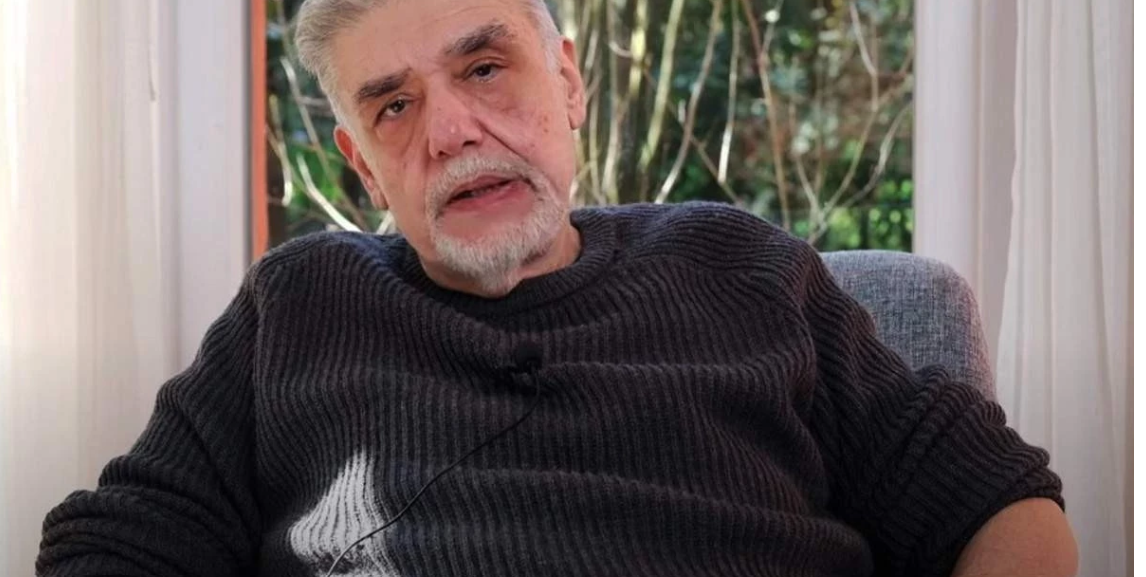
Mehmet Ali Yıldırımtürk, a veteran gold and money markets expert, told Ekonomim that prices are no longer being driven by conventional economic indicators.
“Economic data have effectively gone silent. What we are seeing now is a market shaped almost entirely by geopolitical risk,” Yıldırımtürk said.
He cited several key drivers behind the surge:
-
U.S. President Donald Trump’s confrontational stance toward several South American countries and renewed tensions over Greenland.
-
Escalating frictions with Iran and growing fears of a global tariff war.
-
Concerns that the U.S. dollar is gradually losing its status as the world’s dominant reserve currency, alongside Trump’s repeated calls for a weaker dollar.
-
Efforts to constrain China’s economic growth and a wave of physical gold purchases by central banks worldwide.
These factors, analysts say, have reinforced the perception that gold and silver remain among the few reliable stores of value in an increasingly fragmented global order.
Echoes of the 1970s Oil Crisis
Yıldırımtürk compared the pace of the current rally to the surge seen during the 1970s oil crisis, when gold prices soared from $35 per ounce to around $840.
“No one knows where this will stop,” he said. “The gold price could reach $6,000 or even $7,000 an ounce. The real uncertainty is not whether it can get there, but when.”
Despite the bullish outlook, he added that a short-term correction of around 3% to 5% could occur in early February as markets digest recent gains.
Jewelry Sector Buckles Under Pressure
While investors benefit from rising prices, Turkey’s jewelry and silver accessories industry is facing a severe contraction.
High labor costs and soaring raw material prices have sharply reduced consumer demand for jewelry, particularly silver items, which are more price-sensitive.
According to Suat Topaloğlu, deputy chairman of the Silver Jewelry Manufacturers and Businesspeople Association, the scale of the damage is unprecedented.
“Out of 1,204 silver jewelry workshops operating two years ago, around 900 have shut down,” Topaloğlu said. “Workshops that once employed 60 or 70 people are now struggling to survive with four.”
Industry representatives warn that continued closures will result in permanent loss of skilled labor, weakening Turkey’s position as a regional jewelry manufacturing hub.
Employment and Production Hit Hard
The collapse of small workshops has triggered job losses across the sector, particularly in Istanbul and southeastern provinces where silver jewelry production is concentrated.
Manufacturers report that many artisans have been forced to leave the industry altogether, while others have shifted to informal or part-time work.
Export activity has also slowed, as high domestic costs make Turkish products less competitive in international markets.
Physical Metal Becomes Scarce
The supply squeeze is most visible in physical bullion markets. Dealers say obtaining gold and silver bars in medium denominations has become increasingly difficult, with delivery times stretching and premiums rising.
In silver markets, the situation is mixed. Some households are selling silverware and decorative items to raise funds for gold purchases, while others, priced out of gold entirely, are turning to silver as a more affordable alternative.
This divergence has added volatility to silver prices and complicated inventory planning for traders.
A Market at a Crossroads
Analysts say Turkey’s precious metals market is approaching a critical juncture. Continued geopolitical instability could sustain high prices and further strain supply, while any sharp correction risks deepening losses for already struggling manufacturers.
For now, the divide between investors and producers continues to widen — with gold and silver serving simultaneously as a shield against global uncertainty and a destabilizing force for Turkey’s real economy.
PA Turkey intends to inform Turkey watchers with diverse views and opinions. Articles on our website may not necessarily represent the view of our editorial board or count as endorsement.
Follow our English YouTube channel (REAL TURKEY):
https://www.youtube.com/channel/UCKpFJB4GFiNkhmpVZQ_d9Rg
Twitter: @AtillaEng
Facebook: Real Turkey Channel: https://www.facebook.com/realturkeychannel/***