Controversial tax bill attacked by ex-AKP MP
 samil tayyar2
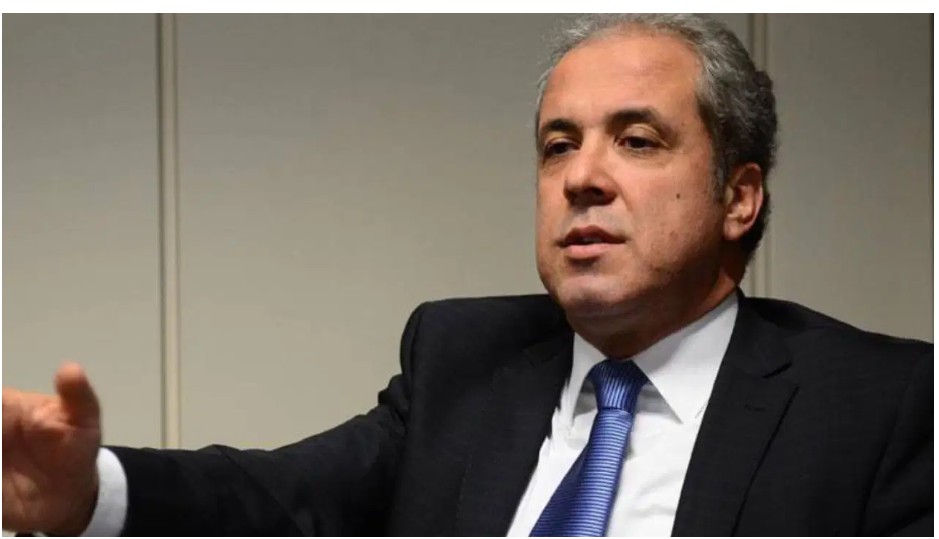
Former AKP deputy Şamil Tayyar has sharply criticized a controversial clause in Turkey’s new omnibus bill that would allow prosecutors to seize private assets without a court order. The proposed legislation, currently under debate in parliament, has also drawn fire from opposition MPs over what they call “unfair” and “irrational” tax burdens — with small business owners and health clinics facing higher fees than luxury hotels and large hospitals.
Tayyar warns against “grave” attack on property rights
AKP’s Şamil Tayyar broke ranks with his party this week, warning that a new amendment to Article 128 of the Criminal Procedure Code (CMK) would undermine constitutional property rights.
The amendment, part of a broader anti–money laundering and counter-terror financing package, grants public prosecutors the authority to seize individuals’ assets without a judge’s approval.
“You are making a grave mistake,” Tayyar warned on social media. “This bill gives prosecutors the power to confiscate private property in all catalogue crimes, without judicial oversight or reports from oversight agencies such as MASAK or the BRSA. Even the current system poses problems — loosening such constitutional protections amounts to a severe blow to the legal order.”
Tayyar’s remarks mark a rare public dissent from within the ruling AKP over a bill that the government has framed as a measure to meet international financial compliance standards.
“Unfair taxation”: Opposition slams new fee structure
In a separate controversy, opposition lawmakers are attacking the new tax and fee package attached to the same omnibus bill, which they say introduces arbitrary and regressive charges.
According to the draft legislation, a five-star hotel will pay 15,000 lira per year in fees, while a small real estate agent will be charged 40,000 lira. A fully equipped private hospital will owe 105,000 lira annually, and a local medical clinic 100,000 lira — almost the same amount.
CHP MP Ahmet Vehbi Bakırlıoğlu, a member of parliament’s Budget and Planning Commission, called the proposal “a ransom law, not a tax law.”
“These new annual fees will hit jewelers, car dealers, real estate agents, doctors, clinics, and even veterinarians,” he said. “The government plans to double these amounts in metropolitan cities. This isn’t taxation — it’s extortion.”
“Math doesn’t add up,” says CHP lawmaker
Bakırlıoğlu accused the government of misleading fiscal projections, noting that the Treasury expects 4.5 billion lira in additional annual revenue from the measure.
“The real figure will be much higher,” he said. “They calculated revenues as if all 13,000 jewelers, dealers, and realtors were operating in small towns. But 65% of the population — and most small businesses — are in big cities. Based on that, just these three sectors will yield over 6 billion lira in fees.”
The CHP lawmaker added that these charges will eventually be passed on to citizens through higher service costs, from medical appointments to hotel stays.
“Hotels pay less than realtors — where’s the justice?”
Bakırlıoğlu also denounced what he called “moral and economic injustice” within the proposal’s fee structure.
“The Tourism Minister’s five-star hotel will pay 15,000 lira, while a real estate agent in Akhisar must pay 40,000,” he said. “A major private hospital will owe 105,000 lira, but a small-town medical center with a population of 40,000 will pay 100,000. That’s irrational and deeply unjust.”
He warned that higher costs in health services, real estate, jewelry, and tourism would ultimately hurt consumers:
“Once again, citizens will foot the bill. Every line of this omnibus law reeks of inequality. These clauses must be removed before the bill is passed.”
Broader debate over rule of law and fairness
The twin controversies — one over asset seizure powers, the other over new fee structures — have fueled debate over rule of law and fiscal fairness in Turkey.
While government officials say the new measures align Turkey’s financial system with international anti–money laundering standards, critics argue that the legislation gives excessive powers to prosecutors and unfairly targets small businesses.
With the omnibus bill expected to reach the General Assembly floor in the coming days, both intra-AKP dissent and opposition protests are likely to intensify.
PA Turkey intends to inform Turkey watchers with diverse views and opinions. Articles on our website may not necessarily represent the view of our editorial board or count as endorsement.
Follow our English language YouTube videos @ REAL TURKEY: https://www.youtube.com/channel/UCKpFJB4GFiNkhmpVZQ_d9Rg
Twitter: @AtillaEng
Facebook: Real Turkey Channel