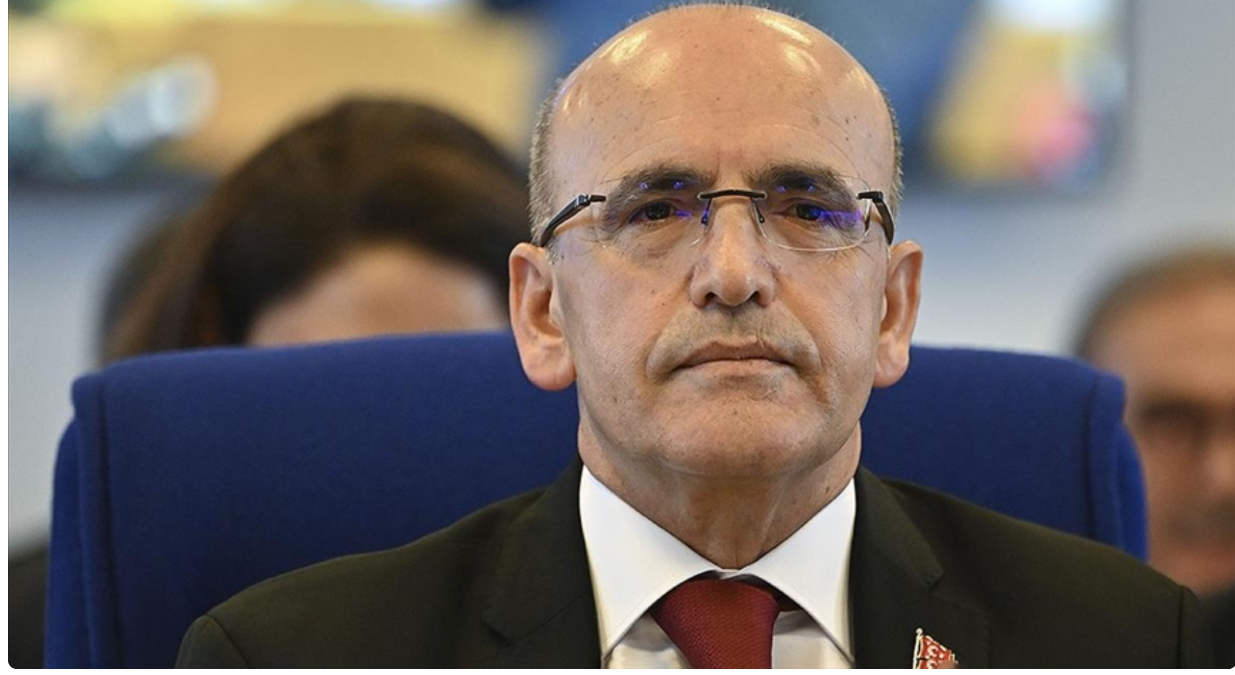
Fitch: Turkish Banks to See Stronger Profits in 2025
 fitch
fitch
Fitch Ratings Türkiye Director Ahmet Kılınç said that interest rate cuts by the Central Bank of Türkiye (TCMB) are starting to have a positive impact on the banking sector, though the full effect will become clearer in late 2025 and early 2026. Speaking to Bloomberg HT, Kılınç emphasized that Turkish banks continue to perform strongly in fee and commission income, a trend expected to support profitability even as risk costs remain elevated.
“Loan Quality Manageable, Profitability Resilient”
According to Kılınç, the non-performing loan (NPL) ratio — currently around 2.2% — could rise to 3%, largely driven by retail loans and credit cards. “Such an increase is not a crisis; it remains manageable,” he said, noting that SME loans, while seeing a mild uptick in defaults, remain below historical averages. Fitch expects NPL levels to remain under control but will monitor restructuring trends closely, especially among small businesses.
“Risk costs will stay high in the short term,” Kılınç warned. “Although conditions look more optimistic than in mid-2025, they still constrain bank profitability.”
Bank Profits to Strengthen Through 2025–2026
Despite these challenges, Fitch projects bank profits in 2025 will surpass 2024 levels, with notable improvement in 2026.
The agency highlighted that fee and commission income continues to outperform expectations, offsetting the narrowing net interest margin (NIM) caused by regulatory constraints on lending growth. Fitch sees these revenues as a key driver of bank resilience through the monetary easing cycle.
Fitch: Sustainable Growth and Disinflation Are Key
Kılınç said Fitch’s baseline scenario foresees sustainable GDP growth around 3.5%, supported by a gradual disinflation trend and lower interest rates. “The path of monetary policy, credit limits, and regulatory adjustments will shape sector risks in the coming period,” he noted.
He also underlined that macroeconomic stability depends on continued progress in disinflation and confidence in the TCMB’s policy framework. Fitch expects that a carefully managed easing cycle will help banks expand lending without triggering credit quality deterioration.
AT1 Issuances Bolster Bank Capital Buffers
Kılınç highlighted increased issuance of Additional Tier 1 (AT1) bonds among Turkish banks as a positive sign of funding flexibility. These instruments — designed to strengthen capital buffers — are becoming more widespread across the sector.
“Türkiye’s key advantage is its flexibility in accessing international funding markets,” he said. “However, pricing remains largely determined by domestic market dynamics rather than global trends.”
Fitch views the AT1 issuances as credit-positive, enhancing capital adequacy and investor confidence, though risk premiums remain high compared to peers in emerging markets.
Outlook: Gradual Improvement, Measured Optimism
Summing up, Kılınç said the banking sector is entering a transition phase marked by monetary easing, moderate growth, and stabilizing inflation. Fitch anticipates a measured recovery in profitability through 2025–2026, provided macroeconomic discipline is maintained.
“Turkish banks are adapting well to a changing environment,” Kılınç concluded. “The sector’s strong fee income and capital resilience continue to underpin our stable outlook.”
Related articles
Diverging Inflation Expectations: What Household and Real Sector Data Reveal in Turkey
Economic Coordination Board Sets 2026 Roadmap, Vows Firm Fight Against Inflation
Turkey Inflation Expectations: Year-End Forecast at 32%