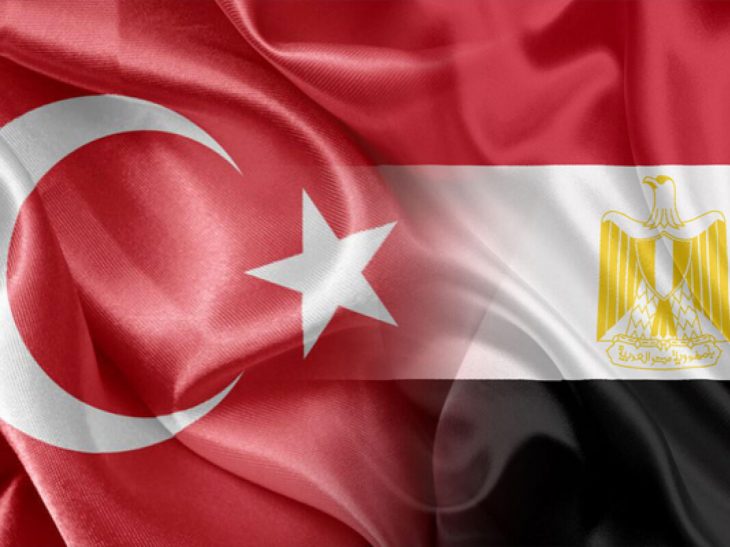
Turkey–Egypt Relations Hit Historic Peak Amid Regional Turmoil
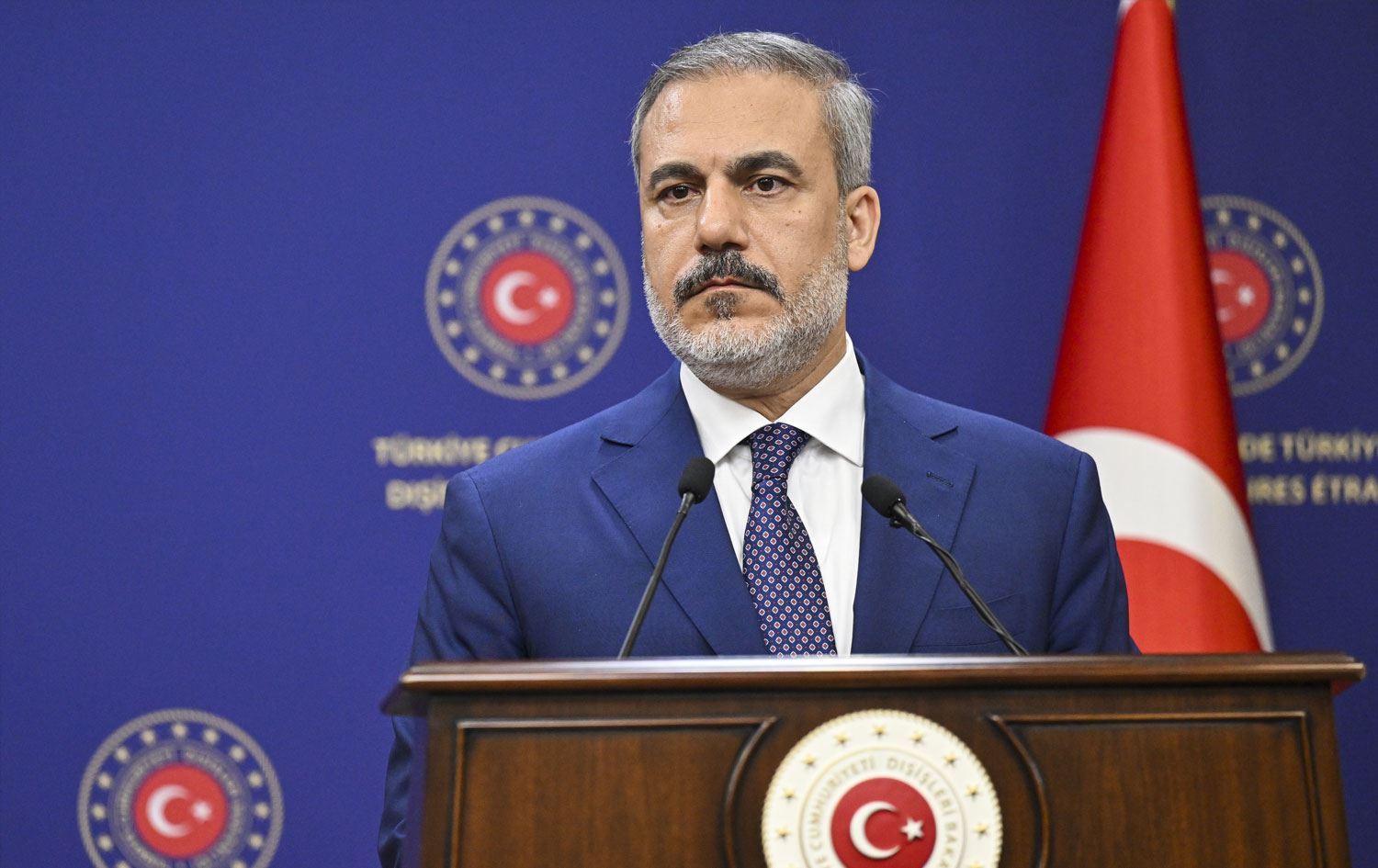 Hakan Fidan
In an interview on Egypt’s MBC Masr television channel, Turkish Foreign Minister Hakan Fidan declared that bilateral relations between Turkey and Egypt have reached “the best level in modern history.” Speaking with host Sherif Amer on the program Happening in Egypt, Fidan emphasized that past frictions between Ankara and Cairo were not deep divides but rather “reproaches born out of love between two nations.” He credited the “resolute stance and wise vision of our leaders” for overcoming tensions and building a foundation for unprecedented cooperation.
Fidan underscored that while the peoples of Turkey and Egypt have always enjoyed strong fraternal ties, the last few years have brought political and diplomatic relations to a new level. According to him, both governments are now able to discuss sensitive topics openly, signaling a maturity in diplomacy that goes beyond transactional politics.
Regional Flashpoints and the Israel Question
The conversation expanded beyond bilateral affairs, touching on regional conflicts and shifting alliances in the Middle East. Fidan was particularly vocal on Israel’s actions, warning that Tel Aviv’s policies have transformed into a broader regional threat.
“We will continue to oppose the genocide in Gaza and resist the annexation efforts in the West Bank. But beyond that, Israel’s expansionism has now become a deliberate policy. This must be addressed collectively by regional countries and the international community. It is extremely important,” he stressed.
Fidan argued that Israel’s perceived security is rooted in the weaknesses of neighboring states rather than genuine coexistence, adding that this imbalance must change. He noted that when indirect destabilization fails, Israel often resorts to direct military intervention, exposing what he described as “calculated expansionism that extends well beyond the Palestinian issue.”
Turkey’s Diplomatic Balancing Act
When asked about U.S.–Turkey relations in the context of Gaza, Fidan explained that President Recep Tayyip Erdoğan has dedicated much of his diplomatic agenda to halting the humanitarian crisis. He added a striking observation: “The recent events revealed that the United States does not exert as much influence over Israeli policies as commonly believed. Perhaps the opposite is true.”
This perspective highlights Ankara’s attempt to navigate between Western powers, regional dynamics, and emerging global alliances.
Security Cooperation with Regional Powers
Fidan also touched on Turkey’s relations with Saudi Arabia and Egypt, signaling a shift from purely economic collaboration to security-oriented partnerships. “The threats we face now compel us to cooperate more deeply in defense. We must strengthen joint work in the defense industry and in broader security matters,” he said.
Turkey already maintains defense cooperation with Saudi Arabia, and discussions are underway with Egypt. Fidan emphasized that regional security should be placed on the same level of priority as economics and technology, noting that a stable neighborhood benefits all.
The Syrian Dilemma
Turning to Syria, Fidan identified a looming danger: “The greatest threat to Syria’s stability right now is a possible Israeli military operation. If instability reopens in Syria, it will be driven by Israel’s expansionist policies.”
He stressed that a broad consensus—including the EU, U.S., Russia, China, and regional powers—now supports giving Syria’s new administration a chance at stability. Yet, he warned that Israeli actions could derail this fragile alignment.
Global Alliances and Systemic Failures
Fidan criticized the existing international order, pointing to the inadequacy of the United Nations Security Council in resolving crises. The wars in Gaza and Ukraine, combined with tensions in the Asia-Pacific and global trade disputes, illustrate, in his view, a system that perpetuates instability rather than resolving it.
He argued that when traditional alliances fail, new platforms such as BRICS, ASEAN, and the Shanghai Cooperation Organization gain prominence, filling the vacuum left by an ineffective global structure. “Without reform of the UN, it is inevitable that new regional actors and alliances will continue to emerge,” Fidan remarked.
From Domination to Cooperation
In one of his most telling remarks, Fidan rejected the historic cycle of dominance in the Middle East—whether by Turks, Arabs, or Persians. “This obsession with who controls the region is primitive. Instead of domination, we need cooperation. ‘Domination’ is not the future. ‘Cooperation’ is,” he said, switching deliberately between English and Turkish.
He called for a platform where regional states can guarantee one another’s sovereignty and security, laying the foundation for deeper economic and political collaboration. According to Fidan, such a vision is achievable within this generation, with Erdoğan personally committed to seeing it realized.
Bridging Past Crises with Egypt
Reflecting specifically on Turkish–Egyptian relations, Fidan reiterated that disputes over Libya and Sudan have been softened through dialogue, while Gaza has brought the two countries closer than ever. “On the Palestinian issue, we are working almost like flesh and nail,” he said, using a Turkish metaphor for inseparability.
Economic ties are flourishing alongside political rapprochement, with both sides exploring how to combine their vast national potentials. Yet, Fidan cautioned that sustained progress requires professional, diligent work. “The political will is there, the intent is there. But at the working level, we need to labor hard and cooperate systematically,” he insisted.
In his view, the rapprochement with Egypt is still in its early stages but holds enormous promise. By pooling resources and capabilities, both nations could amplify their influence and foster stability in a region long plagued by fragmentation.