Yavuz Baydar: January to April: The Acceleration of Power Consolidation in Türkiye
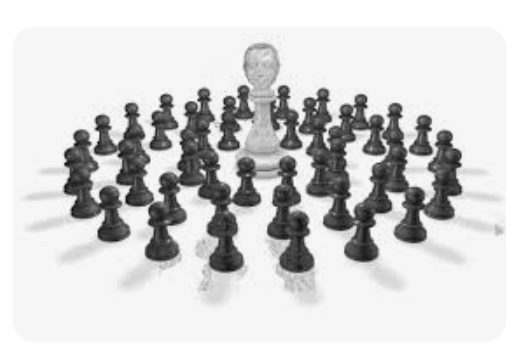 one man rule
By Yavuz Baydar
Summary: The first quarter of 2026 has marked a period of intensified political consolidation in Türkiye, with a series of coordinated moves spanning parliament, judiciary, local governance, and opposition dynamics. The developments suggest a broader effort to reinforce executive control and reshape the political landscape ahead of potential constitutional and electoral shifts.
A Rapid and Multi-Layered Political Shift
For close observers of Turkish politics, the opening months of 2026 have been anything but routine. President Recep Tayyip Erdoğan has accelerated a series of steps aimed at strengthening and entrenching the current political system.
From judicial restructuring and parliamentary realignment to increasing pressure on opposition forces and the recalibration of Kurdish politics, the period reflects a fast-moving and multi-dimensional consolidation process—arguably the most intense since the post-2016 emergency rule and the 2017 constitutional referendum.
Parliamentary Arithmetic: Building Toward Strategic Thresholds
One key pillar of this process has been the reshaping of parliamentary arithmetic.
In early January, three opposition lawmakers joined the ruling AKP, bringing its seat count in parliament to 275. Together with its ally MHP, the ruling bloc now holds 322 seats.
This figure is politically significant:
- 360 seats are required to call early elections or pass constitutional amendments subject to referendum
- 400 seats are needed to amend the constitution without a referendum
The current gap suggests that additional defections or political maneuvering may be necessary if the ruling alliance aims to reach these thresholds.
Judiciary Restructuring and Centralization of Power
A major development came with the appointment of Akın Gürlek—formerly Istanbul Chief Public Prosecutor—as Minister of Justice in February.
The move is widely seen as more than a routine cabinet reshuffle. In his new role, Gürlek also chairs the Council of Judges and Prosecutors (HSK), effectively overseeing appointments, relocations, and disciplinary actions for thousands of judges and prosecutors.
Subsequent appointments across key judicial departments further reinforced the perception of a centralized restructuring effort.
In parallel, a late-March appointment to the Constitutional Court brought the number of members directly selected by President Erdoğan to 14 out of 15—strengthening executive influence over the judiciary.
Pressure on Opposition Municipalities
Judicial actions targeting opposition-run municipalities have also intensified.
Within two years of the March 2024 local elections, the number of detained mayors from the main opposition CHP has reportedly reached 20, with recent cases in Bolu, Uşak, and Bursa.
While these moves are often framed as legal proceedings, they are increasingly interpreted as part of a broader strategy to weaken the opposition’s financial and organizational base.
Loss of municipal resources could significantly limit the CHP’s operational capacity ahead of future elections.
Legal and Political Risks Facing the CHP
Another layer of pressure involves ongoing legal challenges to the CHP’s 2023 party congress.
Although initially rejected by a lower court, the case is now under appeal. A ruling that invalidates the congress could trigger leadership changes and internal fragmentation within the party.
Such a scenario could indirectly benefit the ruling alliance by reshaping parliamentary dynamics and weakening opposition cohesion.
At the same time, proposals within the CHP—such as forcing early elections through coordinated resignations—are widely seen as unlikely to succeed under current parliamentary conditions.
Centralization of Local Governance
A proposed Local Administration Reform Package expected in 2026 would significantly increase central government oversight of municipalities.
Key provisions reportedly include:
- Requiring governor approval for municipal budgets
- Transferring decision-making authority to centrally influenced commissions
If enacted, the reforms would reduce the autonomy of elected local governments and align municipal administration more closely with central authority.
CHP Angles for By-Elections, Signals Possible Resignation of 30 MPs
Kurdish Politics and the “Öcalan Process”
Developments in Kurdish politics form another dimension of the broader political landscape.
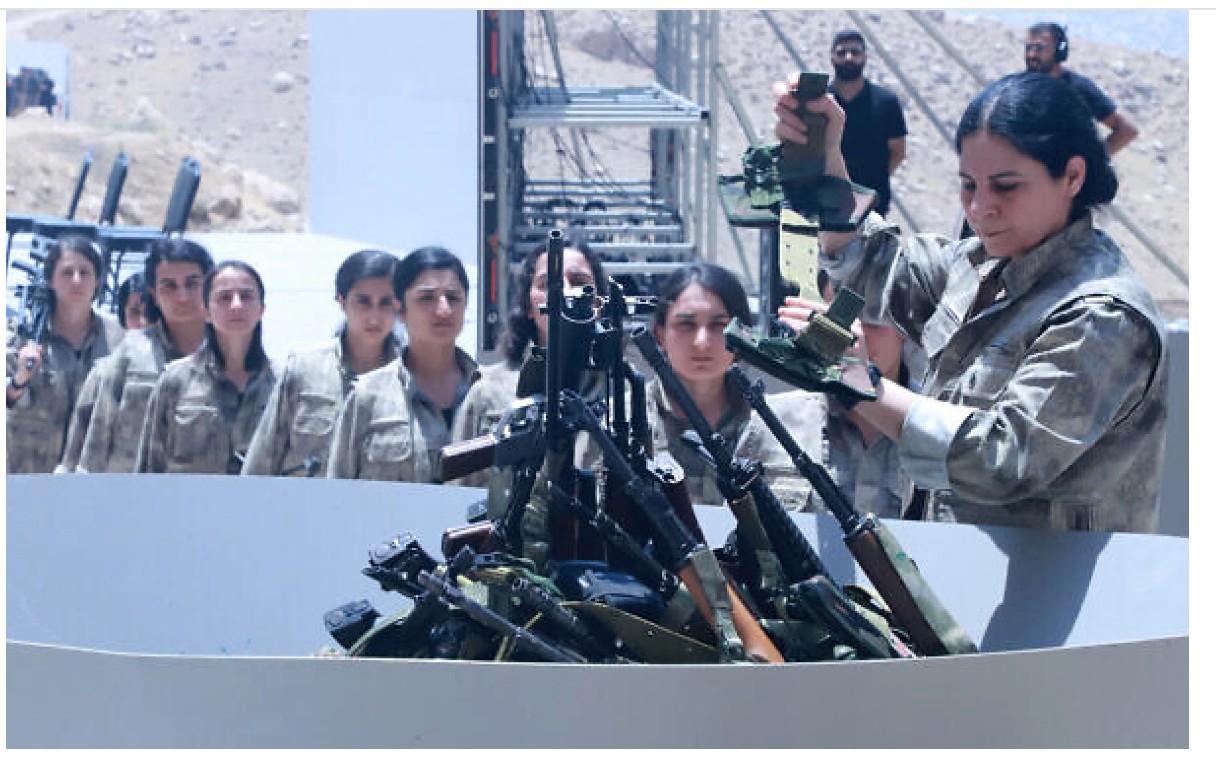
Since late 2024, the DEM Party has been engaged in dialogue linked to Abdullah Öcalan. However, despite ongoing discussions, no concrete policy steps have been implemented by the government.
The process appears narrowly focused on disarmament and political participation, with broader demands related to cultural and political rights largely sidelined.
This dynamic has placed the DEM Party in a difficult position—balancing internal expectations with limited progress in negotiations—while also contributing to a perceived decline in its political influence.
The Bigger Picture: Toward a Consolidated System
Taken together, these developments suggest a coordinated effort rather than isolated actions.
Key elements of this evolving structure include:
- Strengthening executive influence over the judiciary
- Expanding parliamentary leverage through political transfers
- Weakening opposition capacity at both national and local levels
- Increasing central control over governance mechanisms
The broader trajectory points toward a more centralized and tightly managed political system.
Outlook: A Defining Period Ahead
The first quarter of 2026 may represent a pivotal phase in Türkiye’s political evolution.
Whether these developments lead to constitutional change, early elections, or a further consolidation of power remains uncertain. However, the pace and scope of recent actions suggest that the coming months could prove equally consequential.
PA Turkey intends to inform Turkey watchers with diverse views and opinions. Articles on our website may not necessarily represent the view of our editorial board or count as endorsement.
Follow our English YouTube channel (REAL TURKEY):
https://www.youtube.com/channel/UCKpFJB4GFiNkhmpVZQ_d9Rg
Twitter: @AtillaEng
Facebook: Real Turkey Channel: https://www.facebook.com/realturkeychannel/