Yavaş: “If There Will Be an Operation in Ankara, It’s Clear Who It Would Target”
 mansur yavas
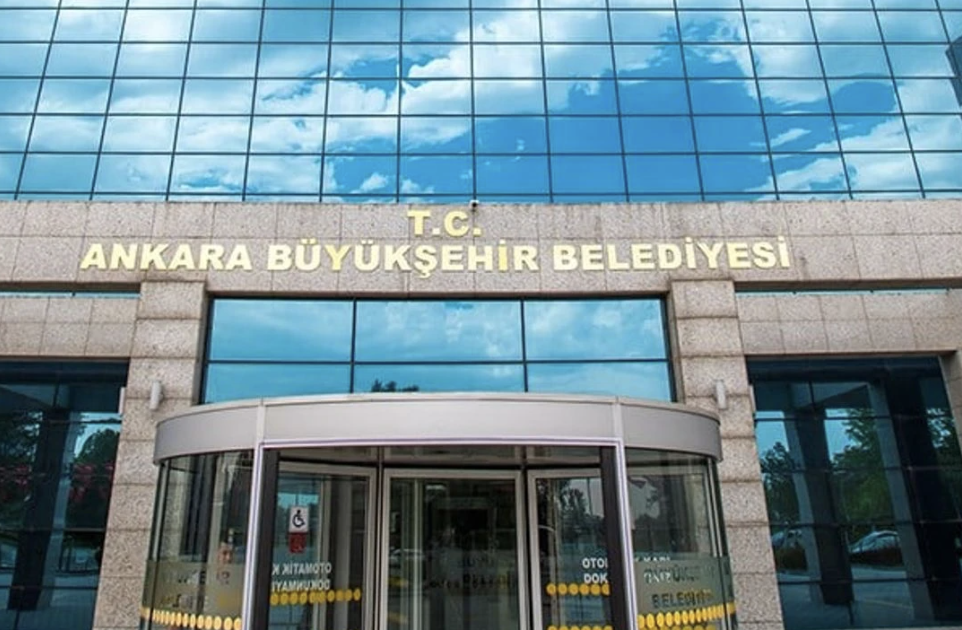
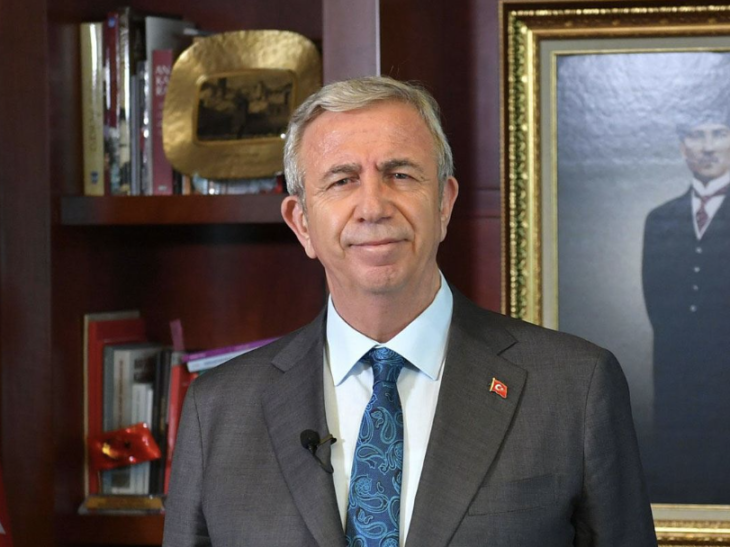
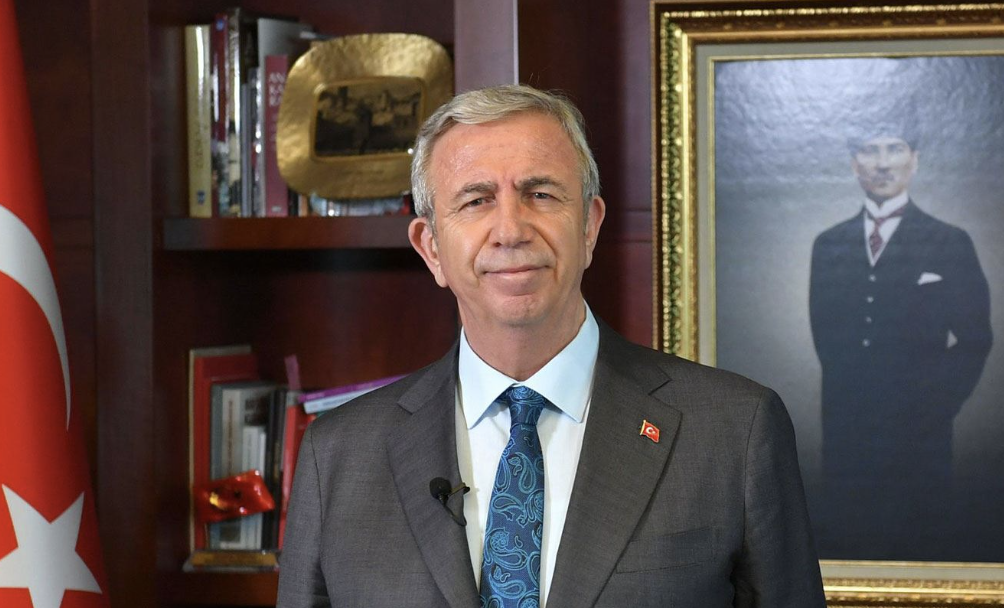
Ankara Metropolitan Municipality Mayor Mansur Yavaş responded firmly to recent remarks made by Yaşar Yıldırım, escalating political tensions in the capital. Addressing the allegations directly, Yavaş stated, “If there is going to be an operation in Ankara, it is clear who it would target.”
Emphasizing his nearly 7-year tenure in office, Yavaş underscored the level of scrutiny he has faced as mayor. “I have been serving as mayor for approximately seven years,” he said, noting that hundreds of complaint petitions have been filed against him and the municipality.
According to Yavaş, all of these complaints were forwarded to the Ministry of Interior and examined by government inspectors. He stressed that the majority of these reviews concluded without legal consequences. “All of them were submitted to the Ministry of Interior from time to time, inspectors came, investigations were conducted, and in the vast majority of cases, either a decision of non-prosecution was issued or it was ruled that there was no need to proceed with an investigation,” he explained.
His remarks appear aimed at reinforcing institutional oversight and transparency in response to political criticism.
Closed-Door Meeting at İYİ Party Headquarters
Earlier in the day, Yavaş visited the headquarters of İYİ Parti, where he was welcomed by party leader Müsavat Dervişoğlu. The meeting was held behind closed doors and followed by a joint press conference.
Dervişoğlu expressed satisfaction at hosting the Ankara mayor. During the press briefing, journalists asked questions about ongoing political developments, including speculation over potential alliance negotiations.
When reminded of a recent alliance call from Fatih Erbakan, head of the Yeniden Refah Partisi, Dervişoğlu responded clearly: “We do not have any alliance negotiations with other political parties.”
Alliance Speculation and Political Positioning
Addressing broader discussions about political alliances, Dervişoğlu stated that his party is sometimes included in political equations without its direct involvement. He clarified that such speculation does not disturb them but should not dominate serious political discourse.
“I do not find it appropriate to hold discussions based on matters that can be described as speculation,” he said. He added that whenever a political equation is discussed in Turkey, the İYİ Party’s name is consistently mentioned. “Whoever talks about a political equation inevitably includes the İYİ Party in it. This shows that the İYİ Party has become an indispensable and undeniable political force in Turkish politics,” he stated.
These remarks signal the party’s effort to assert its strategic importance amid shifting political dynamics.
Evaluation of the National Commission Report
Dervişoğlu also addressed questions regarding the report prepared by the National Solidarity, Brotherhood and Democracy Commission. He indicated that the party’s review process is ongoing and requires careful consideration.
“Our evaluation of the report is continuing. It is not possible to make deep interpretations on such comprehensive issues based on superficial data,” he said. He added that the party will examine dissenting opinions submitted by other political groups involved in the commission and fulfill its responsibilities accordingly.
He confirmed that both members of the parliamentary group and himself are continuing their detailed review of the report.
Early Election Debate Gains Momentum
When asked about growing public discussion surrounding early elections, Dervişoğlu suggested that repeated references to the issue reflect underlying political demand.
“If early elections are being mentioned this frequently, then you should know that there is such a need,” he said. He also emphasized that the legal framework for elections is clearly defined, arguing that if an early election is genuinely desired, its timing should not be determined solely by the ruling power. “If the public wants an election, the government cannot avoid it. The people will do what is necessary,” he added.
His comments contribute to the ongoing debate about electoral timing and political legitimacy in Turkey.
Heightened Political Rhetoric and Institutional Oversight
The statements made by Yavaş and Dervişoğlu come at a time of intensified political discourse. Yavaş’s emphasis on previous investigations and administrative reviews seeks to frame the issue within institutional processes rather than political confrontation.
At the same time, discussions about potential alliances, parliamentary commission findings, and early election calls illustrate a broader recalibration within opposition politics.
While rhetoric has sharpened, no official announcement has been made regarding any specific operation or legal action in Ankara. As developments unfold, attention remains focused on both local governance in the capital and the evolving national political landscape.