



Why Saffron is 2026’s Most Expensive “Investment”
 Saffron-production-Turkey
Saffron, long known as the world’s most expensive spice, reached a staggering new valuation in March 2026. Often called “Red Gold,” its price has soared to the point where it is no longer just a kitchen staple but a portable asset rivaling real estate in value per kilogram.
The Million-Lira Metric: Saffron vs. Real Estate
Current Turkish market data shows that high-purity, laboratory-verified saffron is hitting record highs. For investors and consumers alike, the numbers are eye-watering:
-
Kilogram Price: Up to 750,000 TL (depending on quality and certification).
-
Gram Price: Approximately 900 TL.
-
The “Home” Comparison: Remarkably, just 3 kilograms of top-tier saffron is now equal to the average price of an apartment in Turkey’s major metropolitan areas.
The Labor Paradox: Why Saffron Is So Expensive?
The value of saffron is dictated by a brutal biological reality: there is no mechanical shortcut to its harvest.
-
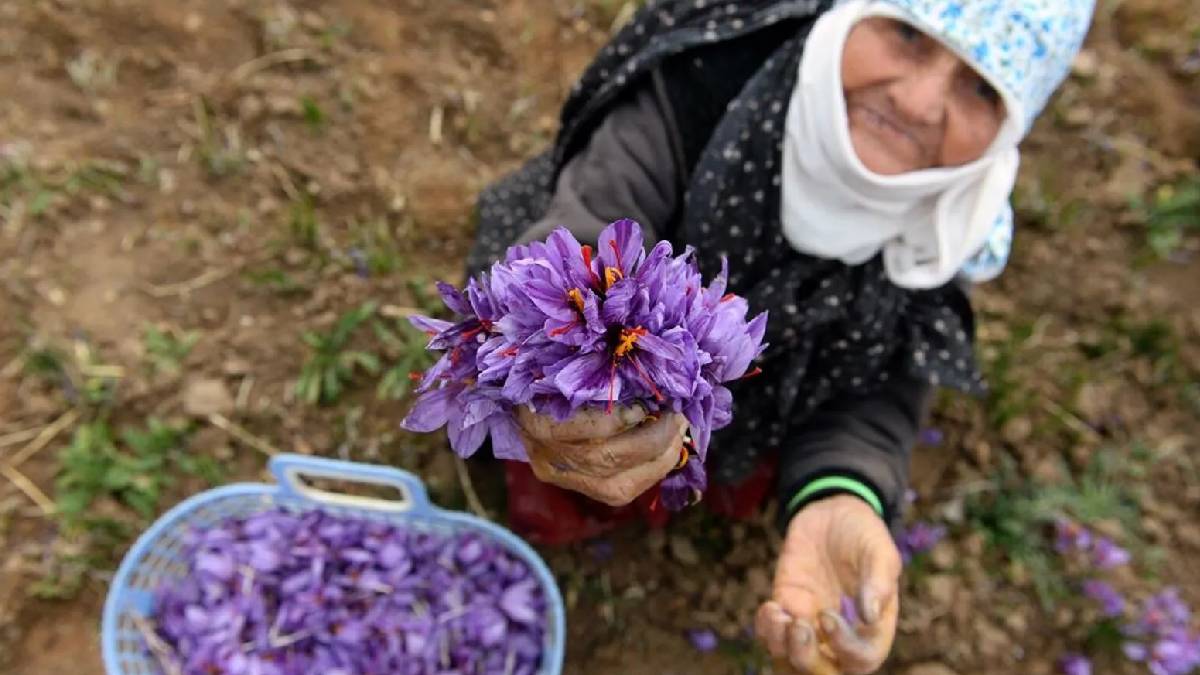
The 150,000 Rule: To produce just 1 kilogram of dry saffron, approximately 150,000 to 170,000 flowers must be hand-picked.
-
The Golden Window: Each Crocus sativus flower contains only three crimson stigmas (threads). These must be harvested at dawn, before the morning sun wilts the blooms and degrades the chemical potency.
-
Human-Centric Production: Every single thread is plucked by hand. This labor-intensive process makes “human effort” the primary driver of its price.
Beyond the Kitchen: A Multi-Industry Essential
While famous for giving Zerde its yellow hue and Mediterranean paellas their soul, saffron’s value in 2026 is driven by its diverse applications:
-
Medicine: Rich in crocin and safranal, it is used in treatments for depression, Alzheimer’s, and respiratory issues like asthma.
-
Cosmetics: A high-end ingredient in anti-aging creams and luxury perfumes due to its cell-renewing properties.
-
Gastronomy: Remains the ultimate status symbol in fine dining, capable of coloring 100,000 times its own weight in water.
The Rise of the “Portable Asset” Saffron
Because high-quality saffron retains its value and is easy to transport, experts now categorize it alongside precious metals. However, this “gold rush” has led to a rise in counterfeits. Fraudsters often use dyed corn husks, coconut fibers, or “safflower” (aspir) to mimic the real deal. Certified and laboratory-tested products are now the only way for serious buyers to ensure they are holding true “Red Gold.”