



Volcanic Risk Debate Reaches Turkish Parliament: 14 Provinces Potentially at Risk
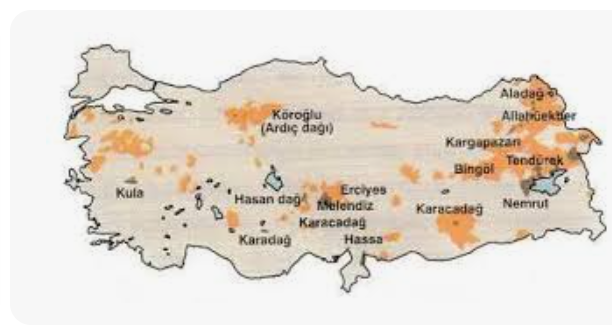 volkan alanları
While earthquakes dominate public debate in Turkey, a new warning in parliament has drawn attention to another under-discussed geological threat: active volcanoes. CHP lawmaker Ömer Fethi Gürer urged authorities to treat volcanic risks with the same seriousness as seismic hazards, warning that 14 regions across Turkey show signs of past or potential volcanic activity.
Beyond Earthquakes: A Broader Disaster Risk
Turkey is widely known to sit on active fault lines, with nearly 90% of its territory exposed to earthquake risk. However, according to Republican People’s Party (CHP) MP Ömer Fethi Gürer, volcanic threats have not received sufficient attention in national disaster planning.
Speaking at a press conference in the Turkish Grand National Assembly (TBMM), Gürer argued that disaster management in Turkey remains largely reactive — focusing on response after events occur rather than preventive monitoring and preparedness.
He stressed that volcanic risk should be treated with the same level of seriousness as earthquakes.
Gas Emissions Near Hasan Mountain and Tuz Lake Facility
Gürer previously raised the issue during parliamentary budget discussions, citing data from Turkey’s General Directorate of Mineral Research and Exploration (MTA).
According to MTA findings, gas emissions have been detected at 20 separate points around Hasan Mountain and Mount Erciyes.
He also pointed to the natural gas storage facility constructed near Tuz Lake. Authorities have stated that the 64-kilometer distance between Hasan Mountain and the facility is considered safe. However, Gürer noted that some scientists warn a major eruption could potentially affect an area up to 100 kilometers in radius.
The presence of the Ecemiş and Tuz Lake fault lines in the region further increases concerns about seismic and volcanic interaction.
Fourteen Volcanic Risk Zones Identified
Gürer said geological research indicates volcanic risk in at least 14 regions across Turkey.
These include well-known volcanic mountains such as:
-
Mount Erciyes
-
Mount Nemrut
-
Mount Ararat (Ağrı)
-
Karacadağ
Within Niğde province, both Göllüdağ and Hasan Mountain have shown activity within the last 10,000 years. Historical records suggest Hasan Mountain was active approximately 8,000 years ago.
Archaeological findings at Çatalhöyük include wall paintings dated between 8,600 and 8,400 years ago that are believed to depict a volcanic eruption in the region.
Gaps in Provincial Risk Planning
Despite scientific data, Gürer criticized the omission of volcanic threats from Niğde’s Provincial Risk Reduction Plan (İRAP), prepared under the coordination of the governor’s office.
He called for similar scrutiny of disaster action plans in other provinces potentially exposed to volcanic risk, including:
-
Aksaray
-
Kayseri
-
Nevşehir
-
Konya
-
Kars
-
Bitlis
-
Ağrı
-
Van
-
Isparta
-
Manisa
-
Diyarbakır
Gürer questioned whether a real-time monitoring system has been established to track volcanic activity and whether medical-geological research has been conducted on the potential impact of detected gas emissions on human health, livestock, and agriculture.
Call for Preventive Action
The lawmaker emphasized that disaster management policies should shift from reactive crisis response to proactive risk mitigation.
He urged the government to reassess settlement patterns near volcanic zones and take necessary steps to minimize potential risks before a crisis emerges.
While no immediate eruption threat has been officially declared, the debate highlights the need for broader disaster preparedness beyond earthquake-focused planning in a country with complex geological dynamics.