US Withdraws from Al-Tanf as Syria’s New Leadership Consolidates Control
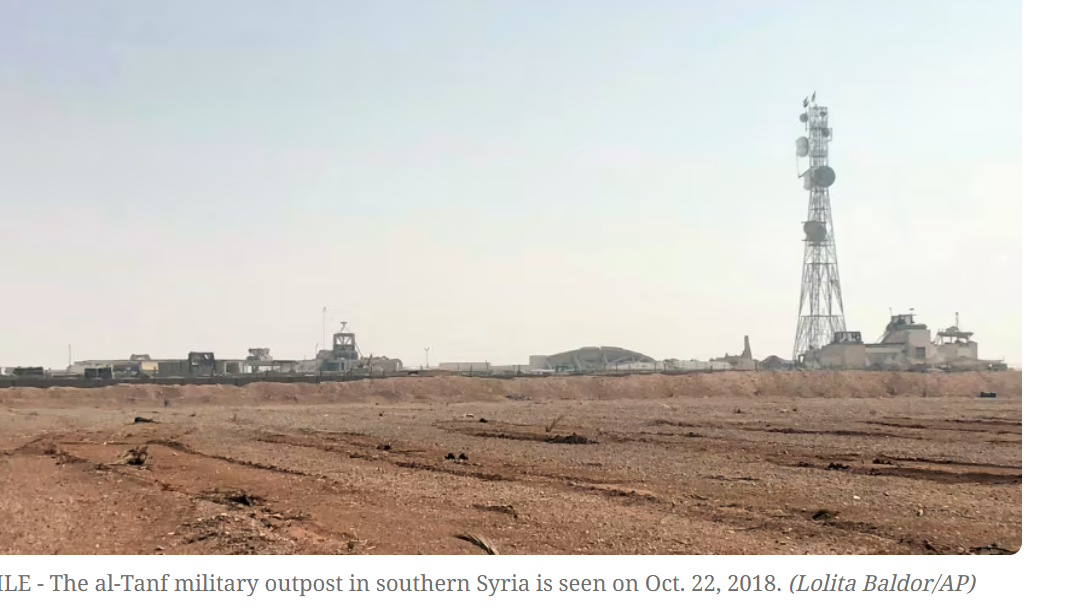 us syria base
U.S. forces have withdrawn from the strategic al-Tanf garrison in southern Syria after more than a decade, marking a transition to a smaller American footprint while maintaining counter-ISIS operations. The move comes as Washington backs Syria’s new president, Ahmed Al-Sharaa, and as Damascus advances integration talks with the Kurdish-led Syrian Democratic Forces (SDF), signaling a significant shift in Syria’s post-Assad political and military landscape.
U.S. Ends Long Presence at Al-Tanf


The United States has withdrawn its military personnel from the al-Tanf garrison in southern Syria, concluding more than ten years of operations at the remote desert outpost.
In a statement released Thursday, U.S. Central Command (CENTCOM) described the move as part of a “deliberate and conditions-based transition” to a reduced American presence in the country. The withdrawal follows a Pentagon announcement in April 2025 outlining plans to consolidate U.S. deployments in Syria after the territorial defeat of ISIS in 2019.
For years, al-Tanf served as a key base for counter-ISIS missions under Combined Joint Task Force – Operation Inherent Resolve, the U.S.-led coalition tasked with dismantling the extremist network across Iraq and Syria.
CENTCOM Commander Adm. Brad Cooper said U.S. forces remain prepared to act against any renewed ISIS threat.
“U.S. forces remain poised to respond to any ISIS threats that arise in the region as we support partner-led efforts to prevent the terrorist network’s resurgence,” Cooper said, emphasizing that continued pressure on ISIS remains essential to U.S. homeland security and regional stability.
Syria’s defense ministry confirmed that Syrian government forces have assumed control of al-Tanf in coordination with Washington.
Continued Counter-ISIS Operations
Despite the drawdown, the United States has maintained active operations against ISIS remnants.
In December, an ISIS ambush in Palmyra killed two Iowa Army National Guard soldiers and an American interpreter. The attack underscored the persistent threat posed by sleeper cells and insurgent networks operating in central Syria.
As recently as last week, CENTCOM reported striking an ISIS communications site, logistics node, and weapons storage facilities using 50 precision-guided munitions delivered by fixed-wing, rotary-wing, and unmanned aircraft.
U.S. officials have reiterated that while troop numbers may shrink, counterterrorism vigilance will continue.
Washington Backs Syria’s New President

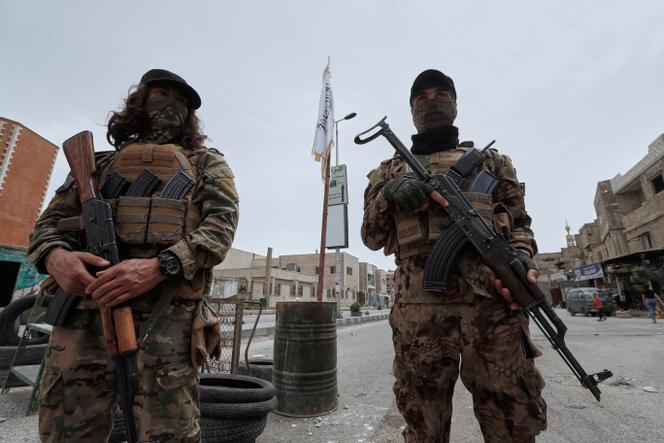
The withdrawal comes amid a broader shift in U.S.-Syria relations following the December 2024 overthrow of Bashar al-Assad.
Washington has invested heavily in supporting Syria’s new president, Ahmed Al-Sharaa, as his administration works to consolidate control over the country.
Al-Sharaa previously led a U.S.-designated terrorist organization and until recently faced a $10 million U.S. bounty. Since taking power, he has sought to transform a patchwork resistance coalition into a functioning governing authority.
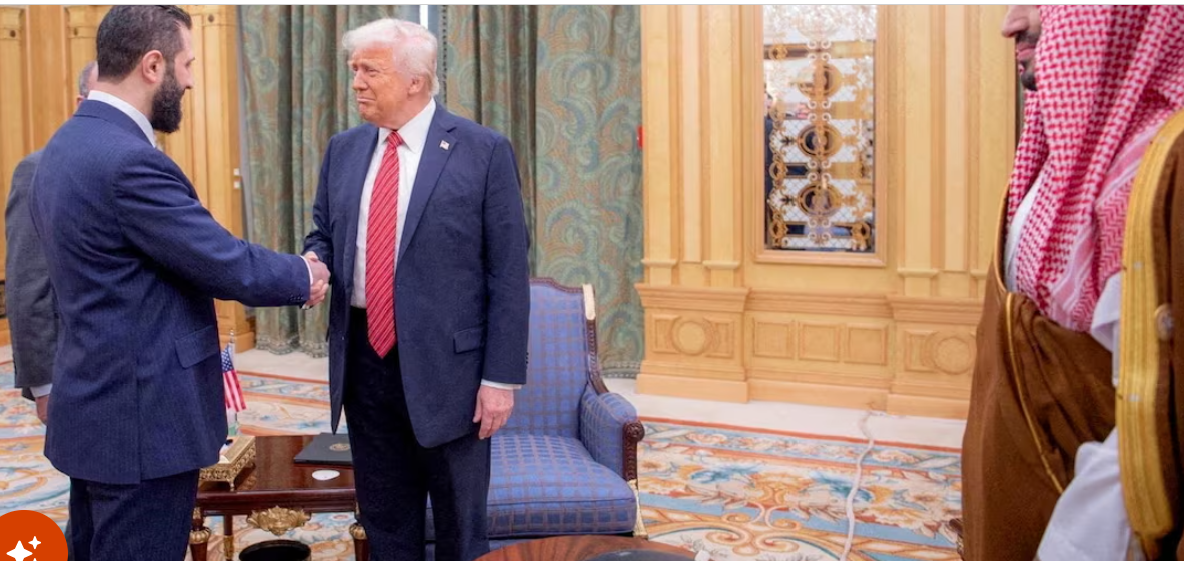
In November, Al-Sharaa became the first Syrian head of state to visit the White House, where he met with Donald Trump. Trump described him as “a very strong leader” and “a tough guy from a tough place.”
The visit followed Washington’s decision to partially lift sanctions on Syria — a move widely seen as a strategic recalibration aimed at stabilizing the country and preventing an ISIS resurgence.
The Trump administration has publicly framed Al-Sharaa’s past extremist ties as part of a previous phase, emphasizing instead his cooperation in counterterrorism operations.
Kurdish Forces Move Toward Integration


Parallel to the U.S. military transition, Damascus has advanced talks with the Kurdish-led Syrian Democratic Forces (SDF).
Syrian Foreign Minister Asaad Al-Shaibani said Saturday that the SDF is now considered part of the Syrian government, with discussions underway to ensure full institutional integration.
Speaking at the Munich Security Conference, Al-Shaibani described a meeting with U.S. Secretary of State Marco Rubio — attended by SDF leaders — as representing “Syrian unity.”
The U.S. State Department confirmed that Rubio met with his Syrian counterpart and SDF Commander Mazloum Abdi on the sidelines of the conference. Rubio stressed the need for a durable ceasefire and further integration in northeastern Syria, while welcoming Damascus’s pledge of full cooperation.
A January 30, 2026 agreement between Damascus and the SDF formalized a ceasefire and initiated steps to incorporate Kurdish forces into Syria’s national military structure.
Since then, the SDF has handed over military headquarters in Hasakah and Qamishli to government security forces, along with airports and oil fields in northeastern Syria.
Fragile Unity, Strategic Calculations
Syria’s current military structure remains complex. Its armed forces comprise fighters from diverse backgrounds, some with varying ideological leanings and affiliations.
Nevertheless, Washington has made clear that it views Al-Sharaa’s government as a partner in stabilizing Syria and countering ISIS. The consolidation of military control, integration of Kurdish forces, and reduction of U.S. boots on the ground all point to a transition from direct American engagement to a more indirect, partner-led security framework.
The withdrawal from al-Tanf marks a symbolic milestone in that shift. Yet the ongoing strikes against ISIS targets illustrate that the United States intends to retain operational flexibility in the region.
As Syria navigates post-Assad reconstruction, the durability of its internal ceasefires and the success of integrating rival factions will determine whether the reduced U.S. footprint translates into lasting stability — or renewed volatility.
Arab news sources
PA Turkey intends to inform Turkey watchers with diverse views and opinions. Articles in our website may not necessarily represent the view of our editorial board or count as endorsement.
Follow our English YouTube channel (REAL TURKEY):
https://www.youtube.com/channel/UCKpFJB4GFiNkhmpVZQ_d9Rg
Twitter: @AtillaEng
Facebook: Real Turkey Channel: https://www.facebook.com/realturkeychannel/
Related articles
Analysis | Güldem Atabay: Kurdish Question Re-Emerges in the U.S.–Syria–Turkey Triangle
Israel struggling to counter Turkey’s growing regional role as Syria tensions rise
Turkish Parliament Commission Advances Cross-Party Peace and Democracy Report