US–Iran Tensions Surge as Aircraft Carrier Deployment Raises War Fears
 trump
trump
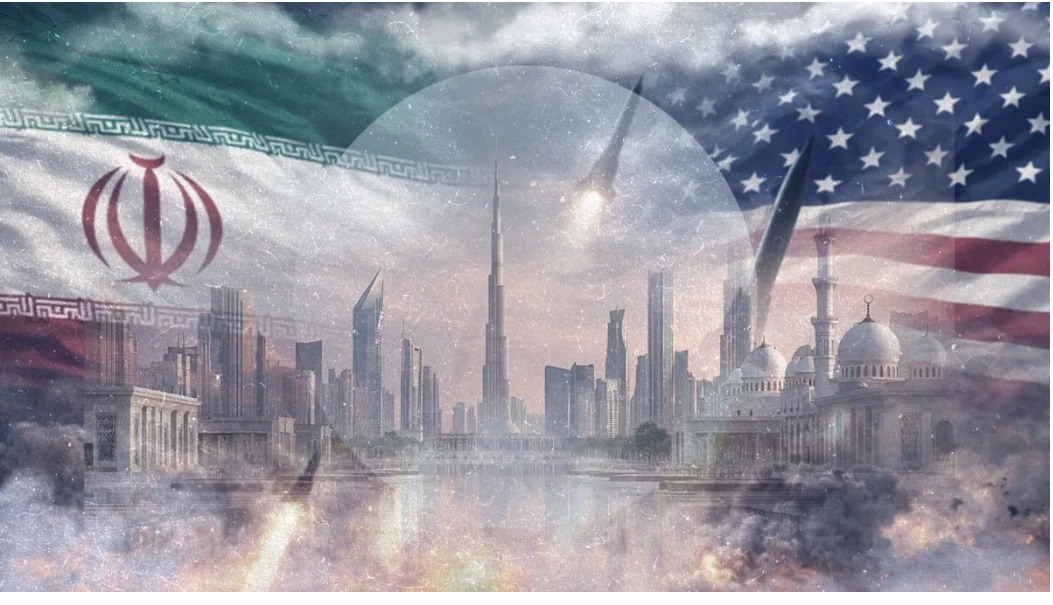
Rising tensions between the United States and Iran have once again placed the Middle East at the center of global security concerns. In the opening weeks of 2026, a combination of military deployments, sharp political rhetoric, and mounting internal instability inside Iran has fueled fears that the fragile balance holding the region together may be nearing collapse. Analysts warn that the convergence of these pressures has created one of the most volatile moments in US–Iran relations in years.
Aircraft Carrier Deployment Raises Alarm
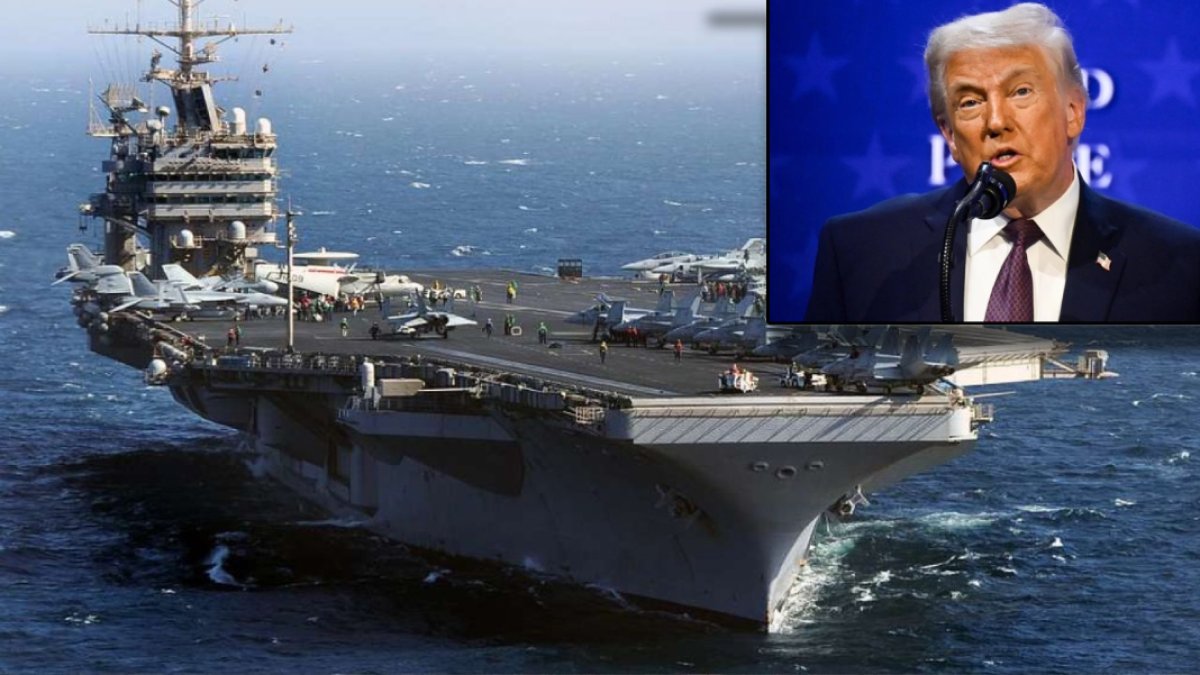
The most visible symbol of the escalating confrontation is the deployment of the USS Abraham Lincoln aircraft carrier to the Middle East. The US Central Command (CENTCOM) officially confirmed that the carrier strike group completed its transit through the Indian Ocean and reached its operational station in the region. Images released by CENTCOM showed sailors conducting routine maintenance as of January 26, emphasizing readiness and sustained presence.
CENTCOM described the deployment as an effort to “support regional security and stability,” but the strategic implications extend far beyond routine operations. Aircraft carriers represent the highest level of naval power projection, capable of launching air operations across vast distances. Their presence often signals deterrence, but in moments of heightened tension, it can also serve as a prelude to direct military action.
This deployment follows the already fragile ceasefire established after US B-2 stealth bombers struck Iranian nuclear facilities in June 2025. That ceasefire temporarily reduced hostilities but failed to address the underlying strategic rivalry between Washington and Tehran. With the arrival of a major carrier group, the risk of renewed confrontation has increased substantially.
Trump Emphasizes Military Strength and Diplomacy
US President Donald Trump added further weight to the situation during an interview with Axios, where he highlighted both America’s military superiority and the possibility of negotiations. His comments reflected a familiar strategy of combining pressure with diplomacy.
Trump underscored the scale of US naval power in the region by stating, “We have a large navy next to Iran. This navy is even bigger than the one used in the Venezuela operation.” The comparison was widely interpreted as a warning that the United States is prepared to act decisively if provoked.
At the same time, Trump suggested that diplomatic channels remain open. “They want to make a deal, I know that. They have called many times, they want to talk,” he said. The remarks indicate that while military options are being emphasized, Washington still views negotiation as a viable path, at least publicly.
However, reporting by The Wall Street Journal paints a more complex picture behind the scenes. According to the paper, Trump has pressed his advisers to develop options that would deliver “definitive results,” including scenarios involving regime change. Such discussions have heightened concerns among international observers that military escalation may already be embedded in strategic planning.
Iran Issues Strong Warnings Over Hormuz Strait
Iranian officials have responded with equally firm statements, rejecting US actions as intimidation tactics. Foreign Ministry spokesperson Esmail Baghaei characterized the American military buildup as psychological warfare and dismissed its impact on Iran’s defense posture. “The arrival of a few warships does not affect our defensive determination. We are monitoring every development moment by moment,” he said.
More severe warnings came from members of Iran’s National Security and Foreign Policy Commission, who explicitly referenced the strategic Hormuz Strait. “In the event of any violation, we are ready to launch a wide-scale counterattack starting from the Strait of Hormuz and covering all US assets in the region,” officials warned.
The Hormuz Strait is one of the world’s most critical energy chokepoints, through which a significant portion of global oil shipments pass. Any disruption would have immediate and far-reaching consequences for global energy markets, making Iran’s warning particularly alarming for international stakeholders.
Internal Unrest Deepens the Crisis
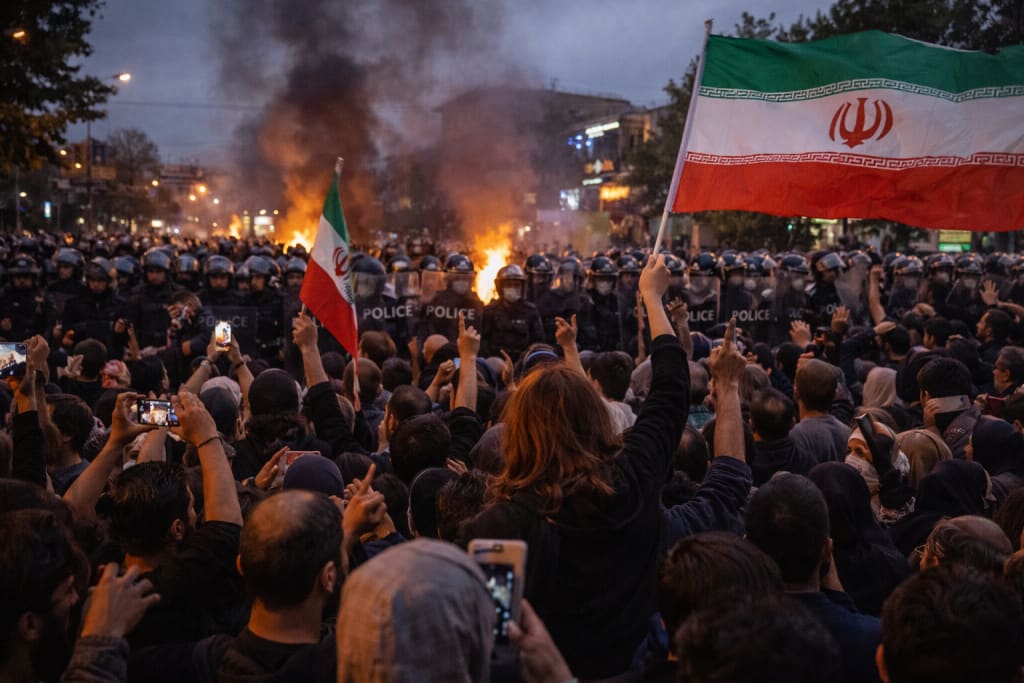
Compounding the external standoff is Iran’s worsening internal situation. The military escalation coincides with severe economic hardship and widespread protests across the country. Demonstrations erupted on December 28, 2025, following sharp currency depreciation and rising living costs. Since then, the unrest has intensified despite heavy government intervention.
Official Iranian figures claim that 3,117 people have been killed during the protests. Human rights organization HRANA presents a far grimmer assessment, reporting 5,848 deaths and more than 41,000 detentions. Internet restrictions and aggressive security measures have limited independent verification, but the scale of the reported casualties has drawn international condemnation.
Washington has increasingly pointed to Iran’s internal repression as part of its justification for maintaining military pressure. Critics argue that this framing risks intertwining humanitarian concerns with strategic objectives, further complicating efforts to de-escalate the crisis.
Related articles
Iran Warns of Retaliation if Trump Orders Strikes, Regional States Including Türkiye Alerted
Özgür Özel Slams US and Israel Over Iran Strikes
U.S. Prepares for Potential Weeks-Long Military Campaign Against Iran, Officials Say