US Envoy Barrack Says Washington–Ankara Disputes Could Be Resolved Within Months
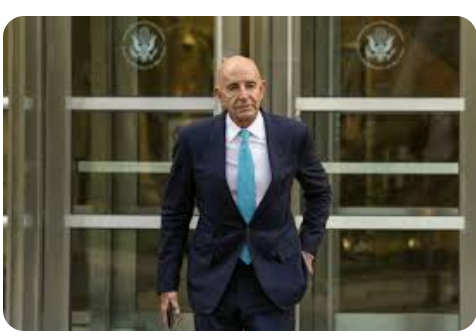 tom barrack
Summary:
US Ambassador to Türkiye and Special Envoy for Syria Tom Barrack said unresolved issues between Washington and Ankara could be settled within four to six months, citing strong political ties between Presidents Donald Trump and Recep Tayyip Erdoğan. Speaking at the Milken Institute’s Middle East and Africa Summit in Abu Dhabi, Barrack also addressed defense disputes, sanctions, Syria, regional security, and shifting US foreign policy priorities.
Confidence in US–Türkiye Relations
Barrack said on Friday that the US–Türkiye relationship remains strong and stable, expressing optimism that longstanding disputes could be resolved in the coming months. Speaking at a conference hosted by the Milken Institute in the United Arab Emirates, he highlighted the close relationship between Donald Trump and Recep Tayyip Erdoğan, describing it as an exceptional bond that has shaped bilateral cooperation.
Barrack emphasized Türkiye’s strategic importance, noting that it is NATO’s second-largest military power after the European Union collectively. Despite this role, he said Europe has never seriously pursued Türkiye’s accession to the bloc.
Defense Disputes and Sanctions
Addressing US sanctions imposed under the Countering America’s Adversaries Through Sanctions Act (CAATSA) and the long-running F-16 and F-35 disputes, Barrack said these debates have dragged on for nearly a decade. He noted that Trump viewed the sanctions as ineffective and fully understood Türkiye’s defense production capabilities, including its growing drone exports to Ukraine.
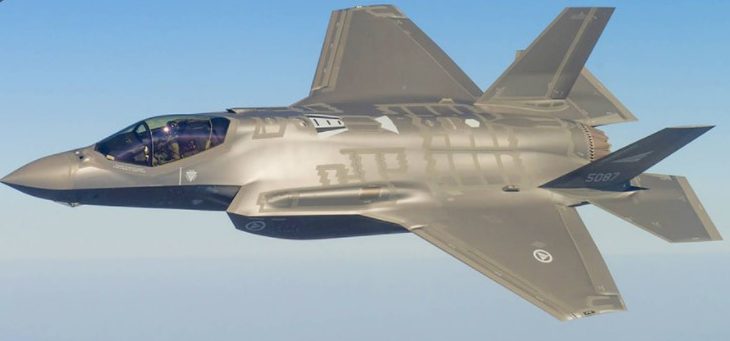
While the United States has not delivered fighter jets to Türkiye, Barrack pointed out that Ankara has moved ahead with the purchase of Eurofighter Typhoons and remains a critical participant in the F-35 program. He added that Türkiye’s four F-35 aircraft are currently stored in a hangar but remain inaccessible.
Barrack criticized short-term US political cycles, noting that elections occur every two years, while global competitors such as China and Russia plan decades ahead. He warned that long-term strategic thinking and technological superiority have become essential elements of modern geopolitics.
NATO Tensions and Strategic Contradictions
Referring to defense frictions within NATO, Barrack said Europe expects Türkiye to help protect the continent while simultaneously resisting Ankara’s acquisition of advanced weapon systems due to concerns about Russia. He described this contradiction as “madness.”
He recalled a meeting between Trump and Erdoğan at the White House in which six major issues were discussed. According to Barrack, most of these—including certain conditions related to the S-400 missile system—were resolved. He reiterated his belief that remaining disputes could be settled within four to six months.
Syria, Israel, and Regional Security
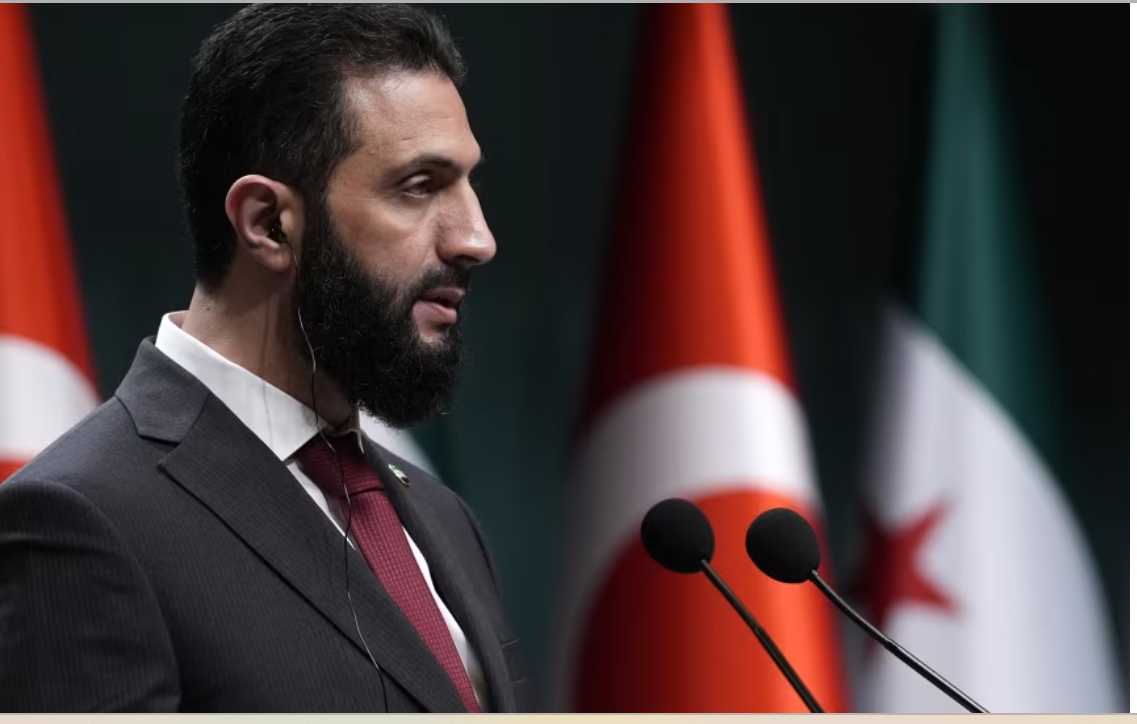
Barrack said Türkiye continues to play a critical role in countering Syria’s former Assad regime and noted that Washington supports the country’s new administration. He emphasized that future energy corridors linking Türkiye with Syria and Azerbaijan would provide major strategic advantages.
On Israel, Barrack argued that Prime Minister Benjamin Netanyahu does not pursue the concept of a “Greater Israel” and that Israel faces pressure from multiple directions. He said any long-term regional vision could only be achieved through trade and prosperity, rather than military ambition.
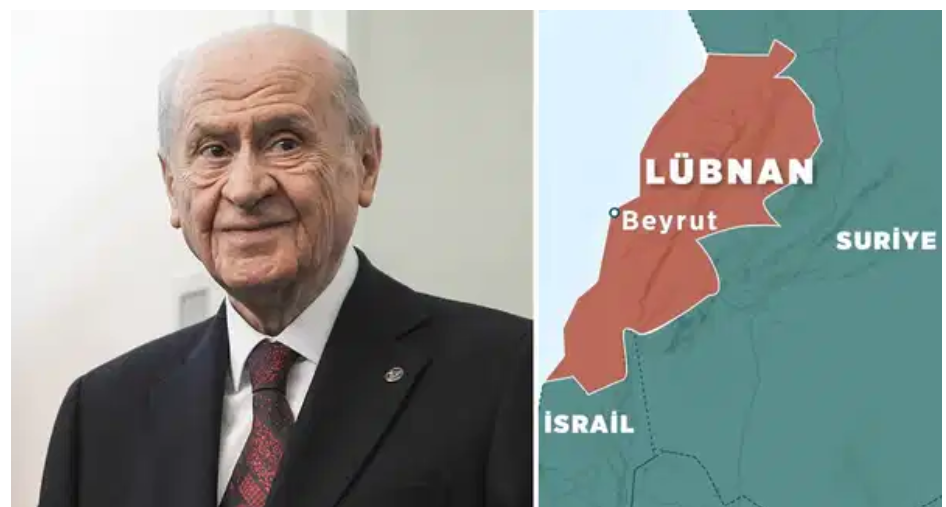
He also addressed Lebanon, stating that Israel cannot militarily defeat Hezbollah and should pursue negotiations. According to Barrack, the issue is not necessarily disarming the group, but ensuring it does not use its weapons.
Regarding Iran, Barrack said the United States remains open to “real discussions” if Tehran addresses uranium enrichment and proxy funding, while stressing that regime change has historically failed as a policy approach.
Critique of Western Models in the Middle East
Barrack offered a broader critique of Western engagement in the Middle East, arguing that a century of imposed political models—from the 1919 Paris peace treaties to the Oslo Accords—has largely failed. He suggested that “benevolent monarchies” in the region have often been more successful than imported Western democratic systems because they align political authority with religious and social structures.
He described the 2003 Iraq war as a “$3 trillion disaster” that left the United States with little to show for its investment and cautioned against repeating similar federal fragmentation models in Syria.
Energy, LNG, and Regional Connectivity
Barrack highlighted the growing importance of energy cooperation, recalling the Türkiye–US liquefied natural gas (LNG) agreement and noting that LNG has become an increasingly critical strategic issue.
He also expressed optimism about peace efforts between Azerbaijan and Armenia and said he hoped these would eventually lead to the reopening of the Türkiye–Armenia border, enhancing regional connectivity and trade.
A Shift in US Regional Strategy
Barrack’s remarks underscored what he described as a broader shift in US foreign policy toward pragmatic diplomacy, economic integration, and long-term strategic planning. He concluded that resolving disputes with Türkiye would strengthen NATO cohesion and support stability across the Middle East and Eurasia.
PA Turkey intends to inform Turkey watchers with diverse views and opinions. Articles in our website may not necessarily represent the view of our editorial board or count as endorsement.
Follow our English YouTube channel (REAL TURKEY):
https://www.youtube.com/channel/UCKpFJB4GFiNkhmpVZQ_d9Rg
Twitter: @AtillaEng
Facebook: Real Turkey Channel: https://www.facebook.com/realturkeychannel/