



UN Report Warns of Severe Air Pollution Crisis in Türkiye
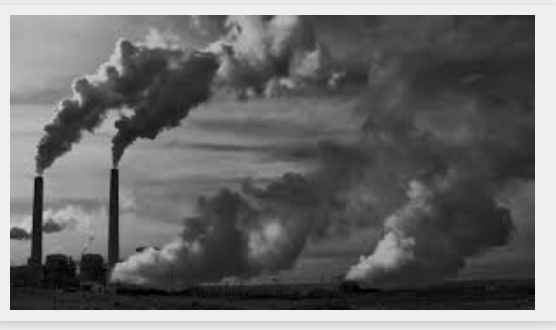 hava kirliliği
A new United Nations report has raised alarm over air pollution in Türkiye, warning that the country’s legal pollution limits remain far above World Health Organization (WHO) health standards. The report highlights coal-based energy production, industrial emissions, and a lack of transparency in environmental data as major drivers of the problem. Experts say air pollution in Türkiye has reached “crisis level,” contributing to tens of thousands of premature deaths each year and imposing heavy economic costs on the country.
UN Report Raises Alarm Over Air Quality
A report by the United Nations Human Rights Council’s Special Rapporteur on the right to a clean, healthy and sustainable environment, Astrid Puentes Riaño, has highlighted serious concerns about air pollution in Türkiye.
Published on March 6, the report outlines urgent policy measures needed to ensure cleaner air and better protection of public health.
According to the report, Türkiye’s legally permitted pollution thresholds remain significantly higher than the limits recommended by the World Health Organization, raising concerns about long-term health impacts.
High Sulfur Dioxide Emissions Linked to Coal
The report notes that Türkiye ranks among the most polluted countries in terms of sulfur dioxide (SO₂) emissions, a pollutant primarily generated by coal-fired power plants and heavy industrial facilities.
These emissions are particularly concentrated in regions where coal-based energy production remains widespread, creating localized pollution hotspots.
Environmental experts warn that continued reliance on coal increases both air pollution levels and related health risks.
Transparency Concerns in Air Pollution Data
The UN report also highlighted serious transparency gaps in the public data available on air quality in Türkiye.
According to the findings, authorities do not consistently publish detailed information on:
-
pollutant measurement station locations
-
variations in air quality across residential areas
-
socioeconomic indicators showing unequal exposure to pollution
This lack of transparency makes it difficult for researchers and policymakers to fully assess the scale of the problem and design effective solutions.
Experts Say Pollution Has Reached “Crisis Level”
Commenting on the report, Prof. Dr. Çiğdem Çağlayan, a public health expert speaking on behalf of the Turkish Health and Climate Platform (THHP), said the findings mirror previous assessments by local experts.
“The UN Rapporteur’s findings for Türkiye align with the assessments of our platform. Air pollution in our country is at a crisis level,” she said.
According to Çağlayan, more than 62,000 premature deaths occurred in Türkiye in 2024 due to fine particulate matter (PM2.5) pollution.
She also highlighted the economic burden created by polluted air.
“The economic cost of air pollution is estimated at around $138 billion annually, equivalent to roughly 10% of Türkiye’s GDP,” she said.
Over 92% of Population Breathing Polluted Air
The Right to Clean Air Platform (THHP) has also raised similar concerns in its latest study titled “Dark Report 2024.”
The report, published in September, examines air quality data, environmental regulations, and policy implementation across the country.
Its findings suggest that more than 92% of Türkiye’s population continues to breathe air that exceeds WHO pollution standards.
Although the number of air monitoring stations increased in 2022 and 2023, the report concluded that monitoring efficiency remains very low.
In many areas, especially those dominated by heavy fossil fuel industries, air quality measurements are irregular or incomplete.
Alarming Pollution Levels in Major Cities
The report also highlighted worrying air quality data in Türkiye’s largest cities.
According to official measurements from 2022:
-
Istanbul’s PM10 average: 38.41 μg/m³
-
Ankara’s PM10 average: 39.25 μg/m³
-
Izmir’s PM10 average: 45.18 μg/m³
These figures are more than double the WHO guideline limits.
In Izmir, pollution levels exceeded national legal limits throughout the year, while Istanbul and Ankara hovered near those thresholds.
The report also noted that carcinogenic PM2.5 particles were not measured regularly or sufficiently in these cities.
Air Pollution Linked to Breast Cancer Risk
One of the most striking findings in the report concerns the connection between air pollution and breast cancer.
Public health expert Prof. Dr. Gamze Varol, one of the authors of the study, highlighted growing scientific evidence linking pollution exposure to increased cancer risks.
According to research cited in the report:
-
Every 10 μg/m³ increase in nitrogen dioxide (NO₂) raises breast cancer risk by 1.02 times.
-
A 10 μg/m³ increase in PM10 raises the risk of dying from breast cancer by 1.05 times.
A study conducted in the United States found an 8% increase in breast cancer cases in areas with higher PM2.5 exposure.
The report also linked traffic-related pollution to higher cancer risks. In France, about 3.15% of annual breast cancer cases have been attributed to nitrogen dioxide emissions from vehicles.
Air Pollution Deaths Approaching 70,000
Health impact assessments included in the report indicate that deaths linked to air pollution in Türkiye are rising.
According to research led by Prof. Dr. Çiğdem Çağlayan, if PM2.5 levels in Turkish cities had been reduced to the WHO recommended limit of 5 μg/m³, 68,440 deaths could have been prevented in 2022 alone.
Excluding deaths from accidents, injuries, and COVID-19, air pollution was responsible for 14.2% of all deaths among people aged over 30.
Eastern Provinces Face Highest Mortality Rates
The report found that provinces with the highest PM2.5 pollution levels also had the highest death rates linked to air pollution.
Among the provinces most affected were:
-
Hakkari
-
Batman
-
Şırnak
-
Muş
-
Malatya
-
Iğdır
-
Şanlıurfa
-
Ağrı
-
Osmaniye
-
Gaziantep
Hakkari recorded the highest proportion of deaths attributed to pollution, with 230 fatalities.
Meanwhile, the largest total number of deaths occurred in major metropolitan areas due to their large populations:
-
Istanbul: 8,357 deaths
-
Izmir: 4,852 deaths
-
Bursa: 3,657 deaths
-
Ankara: 3,155 deaths
Experts Call for Urgent Policy Changes
Environmental and public health experts say Türkiye must take stronger steps to reduce pollution and protect public health.
The Right to Clean Air Platform proposed several policy recommendations, including:
-
reducing dependence on fossil fuels
-
aligning national air quality standards with WHO guidelines
-
establishing a legally binding national limit for PM2.5
-
expanding air quality monitoring in industrial regions
-
improving transparency in environmental data
Experts warn that without such reforms, air pollution will continue to pose serious risks to both public health and the national economy.
Source: United Nations Human Rights Council report, Right to Clean Air Platform (THHP)