



Uber To Acquire Getir Delivery Operations In Turkey
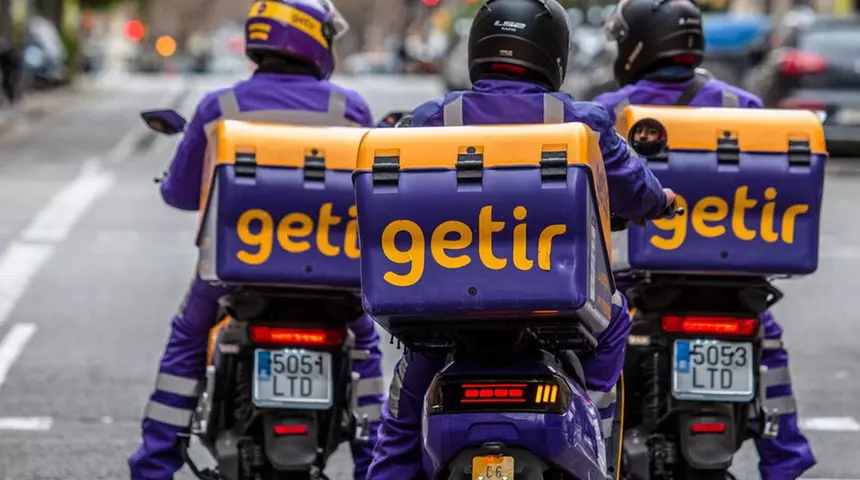 Getir
Getir
Global mobility and delivery giant Uber has announced that it is acquiring Getir’s core delivery services, currently held in the portfolio of Abu Dhabi–based investment fund Mubadala. The transaction marks a major development in Turkey’s fast-growing digital delivery economy and underscores Uber’s aggressive expansion plans in the rapid delivery segment.
According to a statement from Uber, the acquisition covers Getir’s food and ultra-fast grocery delivery operations. However, certain business lines are explicitly excluded from the deal. Ride-hailing platform BiTaksi and Getir’s financial services arm, Getir Finans, are not part of the acquisition. The official purchase price is expected to be disclosed after 16:00 local time.
Uber Signals Growth Ambitions in Rapid Delivery
In comments to Habertürk, Uber emphasized that the acquisition aligns with its broader strategy to scale its presence in the fast-delivery market. The company highlighted Turkey as a strategically important market, citing its expanding digital economy and strong consumer demand for on-demand services.
Uber executives noted that combining Getir’s operational expertise with Uber’s global platform is expected to enhance service quality and efficiency across the delivery ecosystem. The integration aims to create additional value for consumers, couriers, restaurants, and local businesses.
CEO Dara Khosrowshahi: Turkey Remains a Long-Term Priority
Uber CEO Dara Khosrowshahi described the transaction as a reflection of the company’s long-term commitment to Turkey. He cited the country’s young, tech-savvy population and rapidly growing digital infrastructure as key drivers of Uber’s investment strategy.
“Turkey, with its rapidly growing digital economy and dynamic consumer base, remains a market where Uber is committed to making long-term investments. By bringing these two strong platforms together, we aim to support the growth of a vibrant and competitive ecosystem that creates greater value for consumers, couriers, and businesses,” Khosrowshahi said.
His remarks underline Uber’s view that Turkey can serve as a central hub for innovation and growth within its broader regional strategy.
Mubadala to Continue Exploring Investments in Turkey
Mubadala Investment Company Deputy Group CEO Waleed Al Mokarrab Al Muhairi also commented on the agreement, describing it as a validation of Getir’s business model and recent operational progress.
“Mubadala has been a strong supporter of Getir throughout its journey to becoming a pioneering and leading food and ultra-fast grocery delivery platform in Turkey. This transaction reflects the strength of Getir’s business model and the significant progress it has made, particularly over the past year. Turkey remains a highly attractive market for Mubadala, and we will continue to explore long-term investment opportunities in the country,” he said.
The statement signals that while Mubadala is exiting part of its position in Getir, it continues to view Turkey as a highly attractive destination for future investments across sectors.
Getir Sees Deal as a Strategic Turning Point
Getir CEO Batuhan Gültakan characterized the agreement as a pivotal milestone in the company’s growth journey. He highlighted that the deal validates the operational strength and brand leadership Getir has built in Turkey.
“This transaction is a testament to the strong operational model our team has built in Turkey and the leading brand we have created. We are excited to bring Getir’s pioneering ultra-fast delivery expertise to Uber’s global ecosystem and continue enhancing the experience for consumers, couriers, restaurants, and suppliers. We are proud of what we have achieved with Mubadala’s support and look forward to the next phase of our growth journey as part of the Uber family,” Gültakan said.
The acquisition is widely seen as a significant consolidation move within Turkey’s competitive delivery market. By combining Uber’s global scale with Getir’s local operational expertise, the deal could reshape competition in food and grocery delivery and accelerate innovation in logistics and last-mile services.