U.S. Prepares for Potential Weeks-Long Military Campaign Against Iran, Officials Say
 abd iran saldırı
The U.S. military is preparing contingency plans for a potentially sustained, weeks-long operation against Iran if President Donald Trump orders military action, according to U.S. officials cited by Reuters. The preparations, which go beyond previous limited strikes, come amid renewed diplomatic talks with Tehran over its nuclear program and rising military deployments across the Middle East.
Pentagon Plans for Sustained Operations


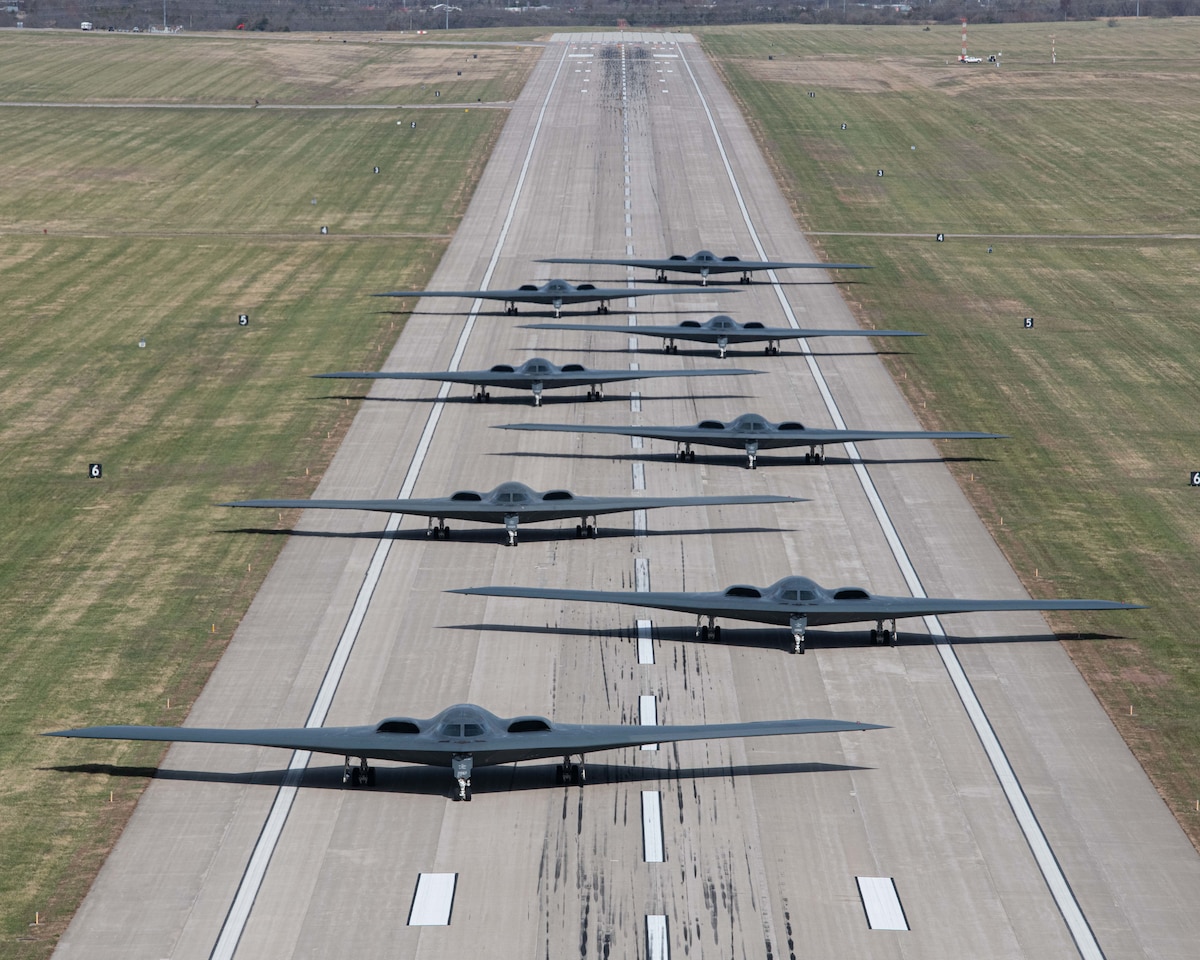
The U.S. military is preparing for the possibility of prolonged operations targeting Iran, two U.S. officials told Reuters, speaking on condition of anonymity due to the sensitivity of the planning.
According to the officials, the scope under consideration could involve weeks of sustained military activity rather than a limited, one-off strike. The disclosure raises the stakes for ongoing diplomatic efforts aimed at addressing Iran’s nuclear program.
The Pentagon declined to comment on operational planning. A White House spokesperson said President Donald Trump has “all options on the table with regard to Iran.”
“He listens to a variety of perspectives on any given issue, but makes the final decision based on what is best for our country and national security,” spokesperson Anna Kelly said.
Diplomacy Under Pressure
The military preparations coincide with renewed diplomatic engagement. U.S. and Iranian officials met in Oman last week in indirect talks aimed at reviving discussions over Tehran’s nuclear program.
A second round of talks is scheduled to begin in Geneva following the initial Oman meeting on February 6. However, U.S. officials have cautioned that expectations remain low despite what they described as constructive signals from Tehran.
Trump, speaking to U.S. troops at a base in North Carolina on Friday, suggested negotiations were proving difficult.
“Sometimes you have to have fear. That’s the only thing that really will get the situation taken care of,” he said.
He also warned that failure to reach a diplomatic solution would be “very traumatic.”
Expanded Military Deployment
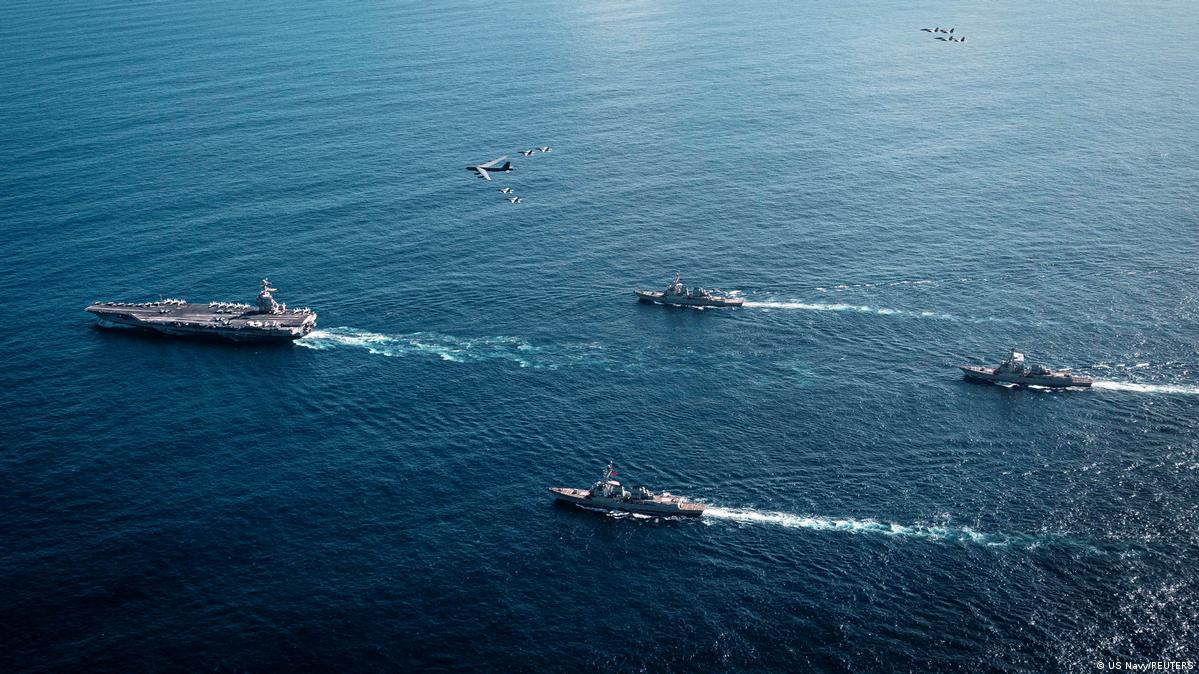


The Pentagon confirmed Friday it was deploying an additional aircraft carrier to the Middle East, alongside thousands of troops, fighter aircraft, guided-missile destroyers, and other assets capable of both offensive and defensive operations.
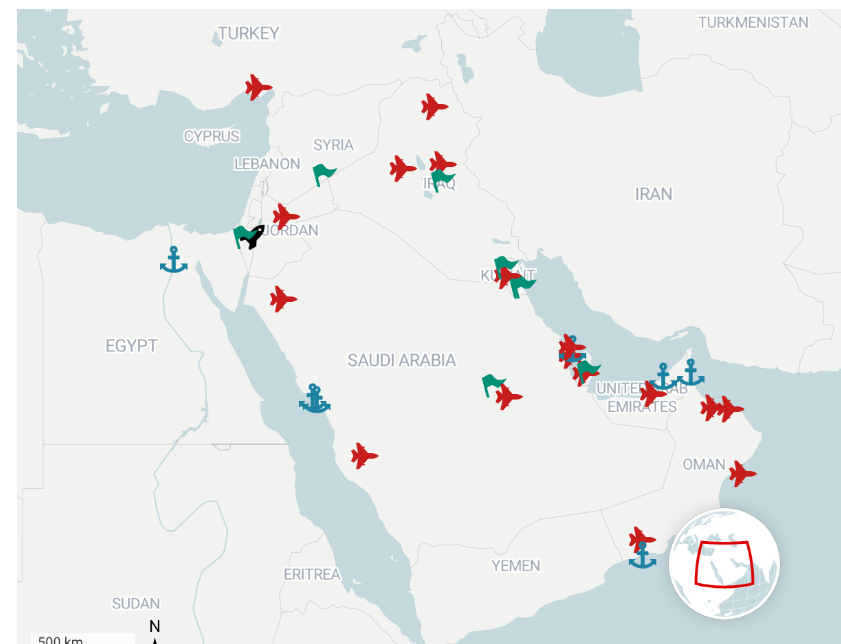
The United States maintains military bases across the region, including in Jordan, Kuwait, Saudi Arabia, Qatar, Bahrain, the United Arab Emirates, and Turkey.
The expanded presence follows last year’s “Midnight Hammer” operation, a limited strike in which U.S. stealth bombers flew from the United States to target Iranian nuclear facilities. Iran responded with a constrained retaliatory strike on a U.S. base in Qatar.
Officials say current planning is more complex and potentially broader in scope.
Broader Target Set Under Consideration
According to one official, a sustained campaign could extend beyond nuclear facilities to include Iranian state and security infrastructure. Specific targets were not disclosed.
Experts warn that such an operation would carry significantly higher risks than previous exchanges. Iran possesses a substantial arsenal of ballistic and cruise missiles, and retaliatory strikes against U.S. bases in the region are widely expected in the event of an attack.
One official said Washington fully anticipates that Iran would respond, potentially triggering a cycle of reciprocal strikes over an extended period.
The White House and Pentagon did not directly address questions regarding the risk of regional escalation.
Regional and Israeli Concerns
Iran’s Islamic Revolutionary Guard Corps has warned that any strike on Iranian territory would prompt retaliation against U.S. military facilities in the region.
Israeli Prime Minister Benjamin Netanyahu met Trump in Washington this week, stating that any agreement with Iran “must include the elements that are vital to Israel.”
Tehran has said it is prepared to negotiate limits on its nuclear program in exchange for sanctions relief but has rejected linking negotiations to its ballistic missile program.
The U.S. negotiating team, including special envoy Steve Witkoff and adviser Jared Kushner, has reportedly advised caution. Officials indicated that while Iran’s rhetoric in indirect talks has been measured, a comprehensive agreement remains elusive.
Diplomacy or Deterrence
The current approach appears to blend diplomatic engagement with heightened military deterrence. The deployment of a second carrier strike group and additional forces coincides with intensified pressure on Iran’s oil exports, particularly sales to China.
U.S. officials have stressed that the objective remains either a credible agreement or no agreement at all.
As tensions rise, the trajectory of U.S.–Iran relations will depend on whether negotiations in Geneva produce tangible progress — or whether military contingency planning transitions into active operations, potentially reshaping the regional security landscape.
Source: Reuters
PA Turkey intends to inform Turkey watchers with diverse views and opinions. Articles in our website may not necessarily represent the view of our editorial board or count as endorsement.
Follow our English YouTube channel (REAL TURKEY):
https://www.youtube.com/channel/UCKpFJB4GFiNkhmpVZQ_d9Rg
Twitter: @AtillaEng
Facebook: Real Turkey Channel: https://www.facebook.com/realturkeychannel/
Related articles
Iran Warns of Retaliation if Trump Orders Strikes, Regional States Including Türkiye Alerted
US–Iran Tensions Surge as Aircraft Carrier Deployment Raises War Fears
Iran Orders Nuclear Talks Restart as US Negotiations Set to Take Place in Turkey