



TÜSEDAD Report: Looming Milk and Meat Crisis in Turkey
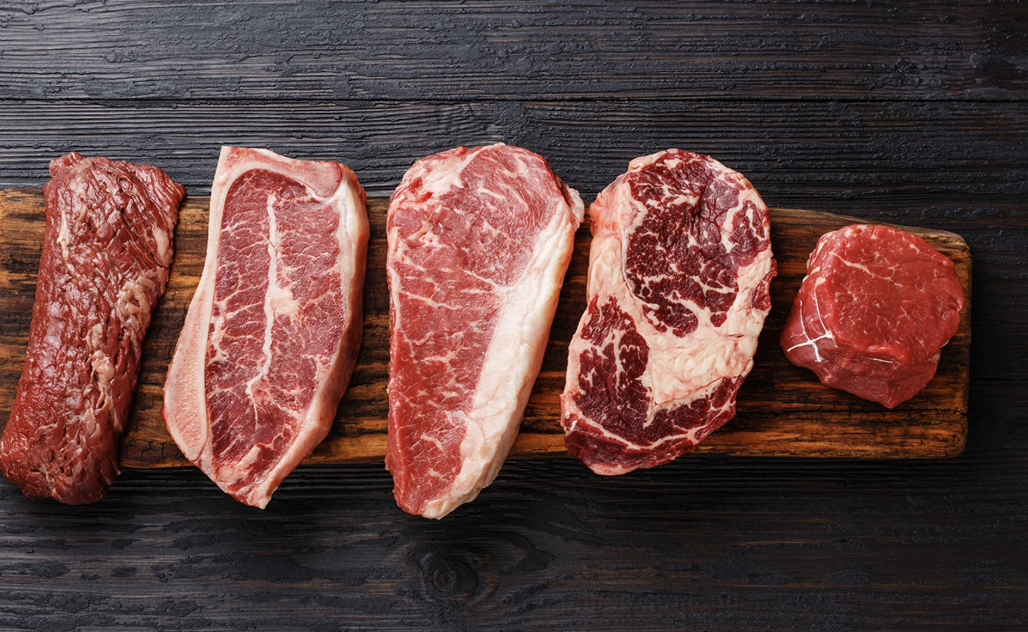 meat prices
The All Milk, Meat, and Cattle Breeders Association (TÜSEDAD) has issued an urgent warning regarding the future of Turkey’s livestock sector. According to the official TÜSEDAD Report released on March 27, 2026, the failure of authorities to announce the 2026 raw milk and calf subsidies, combined with skyrocketing input costs, has left producers in a state of “unprecedented uncertainty.” The association warns that without immediate clarity on pricing and financial support, the nation faces a significant risk to its food supply security.
The “Information Vacuum”: Delayed Subsidies and Prices
Producers are currently operating without a roadmap for the remainder of the year. TÜSEDAD highlights two critical missing figures that are stalling the industry:
-
Raw Milk Reference Price: According to the National Milk Council (USK), the recommended price for raw milk must be updated every three months. As of late March, the new price effective from April 1, 2026, has yet to be announced.
-
2026 Subsidy Figures: The specific amounts for raw milk and calf support for the 2026 fiscal year remain undisclosed, preventing farmers from planning feed procurement or herd management.
“When the producer cannot see what lies ahead, sustainable production is impossible. We are currently in a spiral where uncertainty dictates the slaughter of breeding animals.” — TÜSEDAD Official Statement
The Triple Threat: Feed, Energy, and Logistics
The report identifies a “perfect storm” of global and local factors driving up production costs:
-
Foreign Dependency on Feed: Turkey remains heavily reliant on imported raw materials for animal feed. Global conflicts have pushed freight prices up by 40–60%, while rising insurance premiums and delayed supply chains have made feed the most expensive line item for farmers.
-
Logistics & Cold Chain: Continuous hikes in fuel and electricity prices have multiplied the cost of maintaining the “cold chain” necessary for milk distribution.
-
Impact on Food Inflation: TÜSEDAD warns that these cost pressures make significant price hikes for dairy products and meat “inevitable,” further fueling general food inflation.
The Finance Gap: Outdated Credit Limits
A major hurdle for producers is the stagnation of financial support tools. TÜSEDAD points out that Ziraat Bank’s livestock production credit limits have remained fixed since 2024.
-
Erosion of Purchasing Power: Due to the surge in the Agricultural Input Price Index, these stagnant credit limits no longer cover the actual needs of medium and large-scale farms.
-
Call for Action: The association demands an immediate upward revision of credit ceilings to prevent producers from collapsing under debt and leaving the sector entirely.
TÜSEDAD Report’s Recommended Emergency Measures
To prevent a full-scale milk and meat shortage, TÜSEDAD report has proposed a four-pillar solution:
-
Immediate Price Updates: Announce the April 1st raw milk reference price based on current market costs.
-
Subsidy Transparency: Release the 2026 subsidy calendar and amounts immediately, and accelerate payments regardless of the previous schedule.
-
Local Feed Mobilization: Launch a national campaign to increase domestic production of feed raw materials to reduce reliance on imports.
-
Protecting Small Producers: Implement specific protectionist policies to keep small-scale family farms in the system, as they are the first to exit during crises.