Türkiye Kicks Off Privatization of Bridges and Highways, Why CHP Hates the Idea?
 rte ozellestirme
Türkiye has officially hit the “start” button on a massive privatization package covering its most strategic transportation networks. According to reports from Bloomberg News, the government is preparing to transfer the operating rights of Istanbul’s iconic transcontinental bridges and more than nine major motorways to private consortia.
The move marks a significant shift in the administration’s fiscal strategy as it seeks to generate massive foreign currency inflows and offload the operational costs of the nation’s primary infrastructure.
The Consultant Dream Team
The government has left nothing to chance in preparing for this complex sale. Global consulting giant Ernst & Young LLP (EY) has been appointed as the lead financial advisor to manage the sale process and structure the financial strategy. On the technical side, Canada-based BTY Group has been brought on board to conduct infrastructure analysis and technical due diligence.
Assets on the Auction Block
The list of assets up for sale includes the “crown jewels” of Türkiye’s transit network, which carry the heaviest traffic load in the country:
-
15 July Martyrs Bridge (formerly the Bosphorus Bridge)
-
Fatih Sultan Mehmet Bridge
-
Over nine strategic highway lines connecting major industrial and urban hubs.
The $7 Billion Threshold: Learning from 2012
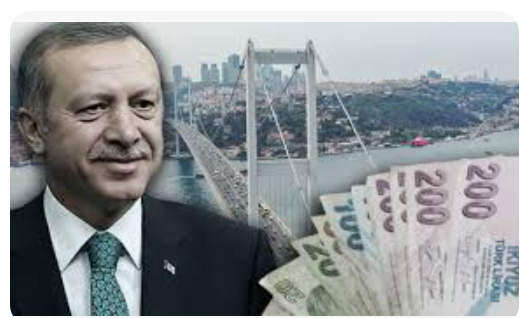
This is not Türkiye’s first attempt to privatize these assets. In 2012, a similar tender for a 2,000-kilometer highway network and the Bosphorus bridges attracted a bid of $5.7 billion. However, the process was famously halted by then-Prime Minister Recep Tayyip Erdoğan.
At the time, Erdoğan labeled any sale under the $7 billion mark as “treasonous” and insufficient for the value of national assets. This year, the government is expected to target a valuation significantly higher than the 2012 floor, banking on increased traffic volume and updated toll structures to attract international investors.
Why the CHP is Vehemently Opposed
While the government views the privatization as a tool for fiscal relief, the main opposition Republican People’s Party (CHP) has launched a fierce campaign against the move. The party’s opposition is rooted in three primary concerns:
1. “Selling the People’s Property”
The CHP argues that these bridges and highways were built using the taxes of Turkish citizens and belong to the public. Party leadership has characterized the privatization as “selling the family silver” to cover short-term budget deficits. They contend that infrastructure of such strategic importance should remain under state control to ensure it serves the public interest rather than private profit margins.
2. The Burden of Guaranteed Payments
A major point of contention for the CHP is the “Public-Private Partnership” (PPP) model often used in these deals. The opposition argues that previous projects have saddled the Treasury with massive “guarantee payments”—where the state pays the private operator if traffic volume falls below a certain threshold. The CHP fears that this new privatization will result in higher tolls for citizens while the government continues to pay subsidies to private firms out of the national budget.
3. National Security and Sovereignty
The CHP has also raised concerns regarding national security. As these highways and bridges represent the circulatory system of the Turkish economy and military logistics, the opposition argues that transferring their management to private—and potentially foreign—entities poses a risk to national sovereignty. They have vowed to challenge the tender in court, arguing that the social cost of higher tolls and reduced state oversight far outweighs the immediate cash injection.
Looking Ahead
The official tender process is expected to be formally launched later this year. For international investors, the deal represents a rare opportunity to manage high-yield, high-volume infrastructure. However, they will have to weigh the government’s high valuation targets against the political risk posed by a vocal and determined opposition that has made “nationalization of critical infrastructure” a key part of its platform.