Türkiye Faces Rising Energy Costs as Oil Price Spike Adds $400 Million per $1 Increase
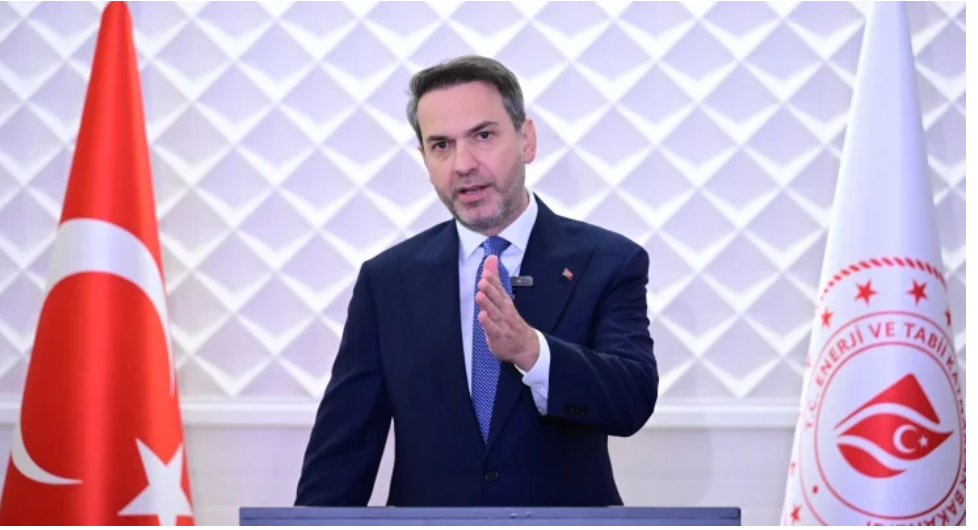 alparslan bayraktar — enerji bakanı
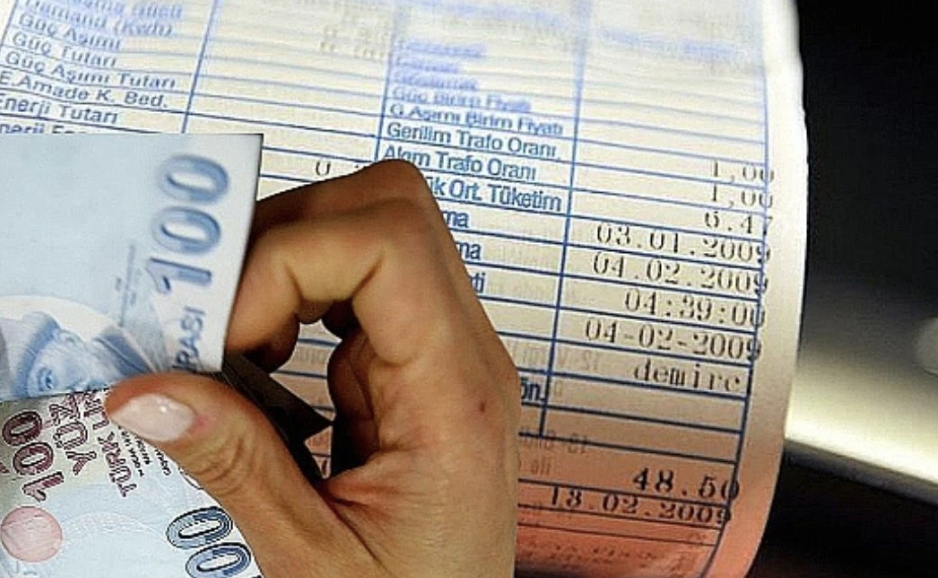
Türkiye’s Energy Minister Alparslan Bayraktar warned that every $1 increase in oil prices adds approximately $400 million to the country’s energy bill, highlighting growing fiscal risks amid escalating geopolitical tensions. Following a sharp surge in Brent crude triggered by the US/Israel-Iran conflict, Ankara is now reassessing electricity and natural gas pricing for April while maintaining substantial state subsidies to shield consumers.
Oil Prices Surge Amid Geopolitical Tensions


Brent crude prices rose sharply from $72.48 per barrel on February 27 to as high as $119.5 following the outbreak of hostilities involving the US, Israel, and Iran.
The escalation severely disrupted traffic through the Strait of Hormuz, a critical artery for global energy trade. Roughly 20% of global oil supply and liquefied natural gas (LNG) shipments pass through the strait, amplifying concerns over supply shortages.
Prices later eased to around $93.95 after US President Donald Trump announced a delay in planned strikes on Iran’s energy infrastructure, but have since rebounded to near $99 levels.
Türkiye Web CPI Rises 2.48% in March, Annual Inflation Eases to 31.68%
Limited Direct Dependence, But Global Exposure Remains
Energy Minister Alparslan Bayraktar stated that Türkiye’s direct dependence on the Hormuz route is relatively limited:
- Around 20% of global oil and LNG flows transit through Hormuz
- Türkiye sources approximately 15% of its oil from the broader region
- Direct dependence on Hormuz-linked oil flows is estimated at about 10%
He noted that Türkiye imports oil primarily from Saudi Arabia and Iraq, with a significant portion of Iraqi oil delivered via pipeline rather than maritime routes.
On the natural gas side, Türkiye has no direct reliance on Hormuz shipments and has diversified LNG supply through agreements with Western partners, including the United States.
Despite this diversification, Bayraktar acknowledged that global price shocks inevitably feed into domestic costs.
Households Lose Faith in Disinflation: Sentiment Turns Grim in March
$1 Increase in Oil = $400 Million Cost
The minister underscored the magnitude of Türkiye’s exposure to oil price fluctuations:
- Every $1 increase in oil prices
➡️ adds approximately $400 million to Türkiye’s annual energy bill
With oil prices rising from around $60 to above $100 in a short period, the cumulative impact on the economy has been substantial, putting pressure on both the current account and public finances.
State Subsidies Cushion Consumer Impact


To mitigate the impact on households, the government continues to provide extensive energy subsidies:
- Approximately 55% of electricity bills are covered by the state
- Around 44–45% of natural gas costs are subsidized
For 2026, Türkiye has allocated roughly TRY 305 billion (excluding VAT) for energy support programs.
Additionally, fuel taxes have been reduced, with the Special Consumption Tax (ÖTV) effectively lowered to zero, limiting the pass-through of global price increases to consumers.
Fiscal Risks Mount if Crisis Persists
Bayraktar warned that if elevated energy prices persist through the end of the year, the fiscal burden could increase dramatically:
- Additional funding requirement: TRY 620 billion
This scenario would pose significant challenges for budget planning and macroeconomic stability.
Electricity and Gas Prices Under Review in April
Authorities are preparing to reassess energy pricing in April, taking into account recent market developments.
Bayraktar indicated that both:
- Electricity tariffs
- Natural gas prices
may be revised depending on the trajectory of global energy costs.
Tiered Pricing Model for Natural Gas
A new pricing framework is also under consideration:
- Households consuming 75% above the average level
➡️ may be excluded from subsidy schemes
This adjustment is expected to affect only 12–13% of subscribers, while the majority (85–87%) will continue to benefit from existing support measures.
Outlook: Energy Price Volatility to Remain a Key Risk
Türkiye’s diversified supply strategy has reduced direct dependency on critical chokepoints like the Strait of Hormuz. However, global price volatility continues to pose a major risk.
Key factors shaping the outlook include:
- Ongoing geopolitical tensions
- Oil price fluctuations
- Sustainability of subsidy policies
The coming months will be critical in determining whether Türkiye can maintain price stability without significantly increasing fiscal pressures.
PA Turkey intends to inform Turkey watchers with diverse views and opinions. Articles in our website may not necessarily represent the view of our editorial board or count as endorsement.
Follow our English language YouTube videos @ REAL TURKEY: https://www.youtube.com/channel/UCKpFJB4GFiNkhmpVZQ_d9Rg
And content at Twitter: @AtillaEng
Facebook: Real Turkey Channel: https://www.facebook.com/realturkeychannel/***