Türkiye, Egypt and Pakistan step up mediation to broker US–Iran truce
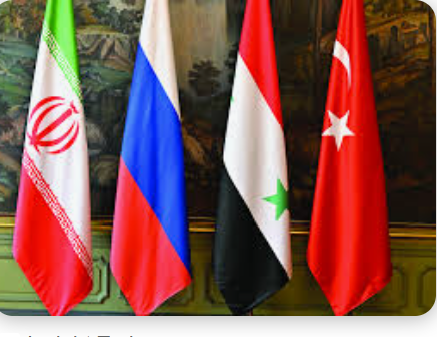 tr iran truce
Türkiye, Egypt and Pakistan have emerged as key mediators in efforts to broker a ceasefire between the United States and Iran, as the conflict enters its fourth week. Diplomatic contacts have intensified amid rising global economic risks, energy market disruptions and growing regional divisions over how to respond to the war.
Regional powers lead backchannel diplomacy


Türkiye, Egypt and Pakistan are playing a central role in mediating between Washington and Tehran, according to multiple reports citing US and regional officials.
The talks involve Steve Witkoff and Abbas Araghchi, with intermediaries facilitating communication as direct engagement remains limited.
Diplomatic activity accelerated over recent days, with a series of phone calls aimed at de-escalating tensions and pushing both sides toward negotiations. Oman—which previously hosted nuclear talks—is also believed to be involved.
Pakistan has reportedly offered to host negotiations in Islamabad, with discussions underway for a potential meeting later this week that could include US Vice President JD Vance.
Erdoğan says Türkiye’s economic resilience at historic high amid global tensions
Ultimatums and escalation risks shape talks
Efforts to mediate have intensified following a sharp escalation in rhetoric.
US President Donald Trump issued a 48-hour ultimatum demanding Iran reopen the Strait of Hormuz or face strikes on its energy infrastructure.
Tehran responded by threatening to close the waterway entirely and target companies linked to the United States.
While Washington later signaled a pause in military action, citing “productive” talks, Iranian officials have disputed that characterization, underscoring the fragile nature of the diplomatic process.
Diverging positions among Muslim-majority states


The war has exposed differences among key regional players, particularly during a meeting of Arab and Muslim foreign ministers in Riyadh.
Türkiye and Pakistan resisted efforts led by Saudi Arabia to adopt harsher language condemning Iran, according to sources familiar with the discussions.
Riyadh had pushed for a stronger denunciation following Iranian missile and drone attacks targeting the kingdom. Ankara and Islamabad were initially reluctant, reflecting a more cautious diplomatic stance.
Ultimately, the final communiqué condemned Iran’s actions as unjustifiable, while also including language critical of Israel’s regional policies—reportedly at Türkiye’s insistence.
The episode highlights how national security priorities are shaping divergent responses to the conflict, even among countries exploring closer trilateral cooperation.
War Casts Shadow Over Economy: March Confidence Indices Plummet
Ankara positions itself as mediator and critic


President Recep Tayyip Erdoğan has positioned Türkiye as both a critic of the war and a key diplomatic broker.
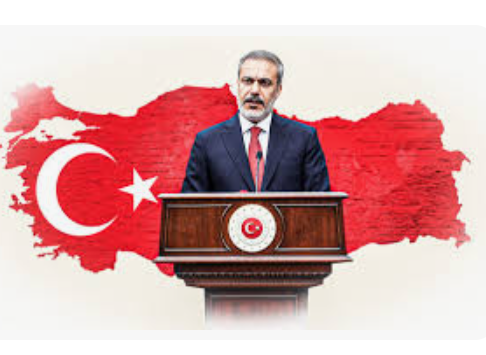
Foreign Minister Hakan Fidan has led an intensive regional diplomatic campaign, arguing that Israel bears primary responsibility for the escalation while urging an immediate ceasefire.
Despite being a NATO member and a US ally, Türkiye has avoided direct confrontation with Iran, maintaining a delicate balance given its shared border and regional exposure.
Economic pressure driving urgency
The conflict is exerting mounting pressure on Türkiye’s economy, primarily through rising energy costs.
Analysts estimate that every $10 increase in oil prices adds between $3 billion and $5 billion to Türkiye’s current account deficit, exacerbating inflationary pressures that are already elevated.
With inflation hovering above 30%, policymakers face growing domestic pressure to stabilize prices and prevent further deterioration in living standards.
The war has also heightened concerns about potential refugee flows from Iran, a politically sensitive issue in Türkiye following the long-term presence of millions of Syrian refugees.
Strategic concerns over Kurdish dynamics
Beyond economic risks, Ankara is closely monitoring the potential geopolitical consequences of a prolonged conflict.
Particular concern surrounds the possibility that Kurdish groups could be leveraged as ground forces against Iran—a scenario Türkiye views as a direct national security threat due to its long-standing conflict with the PKK.
Turkish officials are wary that such developments could lead to the emergence of new autonomous Kurdish entities along its borders, replicating dynamics seen in northern Syria.
PA Turkey intends to inform Turkey watchers with diverse views and opinions. Articles in our website may not necessarily represent the view of our editorial board or count as endorsement.
Follow our English YouTube channel (REAL TURKEY):
https://www.youtube.com/channel/UCKpFJB4GFiNkhmpVZQ_d9Rg
Twitter: @AtillaEng
Facebook: Real Turkey Channel: https://www.facebook.com/realturkeychannel/
Related articles
Is the AKP–MHP Alliance Reaching a Breaking Point? A Structural Analysis of Turkey’s Ruling Bloc
Erdogan Escalates Culture War, Accusing Digital Platforms of ‘Dynamiting’ the Family Institution
Bilal Erdoğan Speaks on His Father’s Political Legacy, Fuels Succession Speculation