Türkiye Can Withstand Economic Shock From Iran War, Says Vice President Cevdet Yılmaz
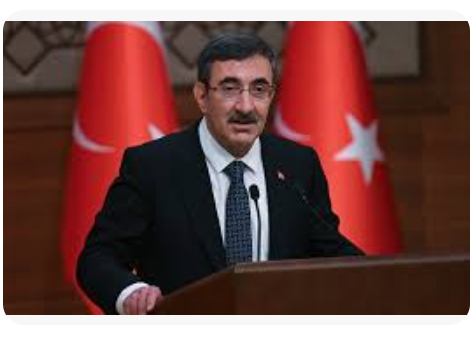 cevdet yilmaz
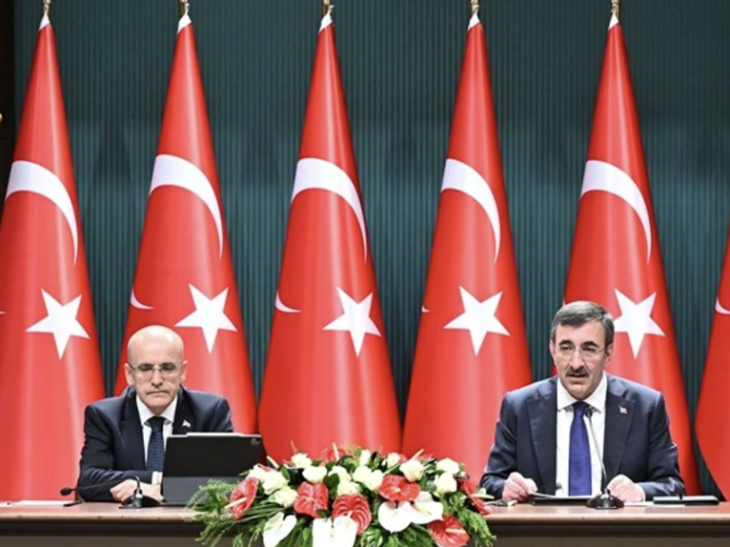
Türkiye’s Vice President Cevdet Yılmaz said the escalating conflict involving Iran is creating economic and geopolitical risks but expressed confidence that the crisis will not become a prolonged war. Yılmaz argued that U.S. President Donald Trump is unlikely to pursue a long-term military campaign and warned that the conflict’s greatest global economic impact would come through energy markets, particularly the strategic Strait of Hormuz. While rising oil prices may increase inflationary pressure, Yılmaz said Türkiye’s diversified energy supply, strong reserves, and macroeconomic fundamentals would help the country weather the shock.
“I Don’t Believe Trump Intends to Prolong This War”
Vice President Cevdet Yılmaz said conflicting signals have emerged from Washington and Tel Aviv regarding the future of the war involving Iran.
According to Yılmaz, Israel appears inclined to continue military operations, while the U.S. position remains less clear.
However, based on President Donald Trump’s broader political approach and U.S. policy patterns, Yılmaz said he does not believe Washington intends to sustain a long military confrontation.
“I do not think Trump has the will to prolong this war,” Yılmaz said, adding that the conflict is producing severe humanitarian, environmental, and economic costs.
Risk of Regional Escalation Is Increasing
Yılmaz warned that the possibility of the conflict spreading across the Middle East is rising.
“These types of medium-scale wars are often entered with the expectation that they will be short,” he said. “But they can easily expand and drag countries into a longer conflict.”
While Ankara hopes the war will be contained and eventually ended, Yılmaz said it remains difficult to predict how events will unfold.
He stressed that wars driven primarily by military force rather than international law are unsustainable and carry serious risks for global stability.
“The humanitarian cost is enormous. Policies that rely solely on power rather than rules and law are not sustainable,” he said.
Atlantic Council: Iran War Poses Greater Risks for Türkiye Than Previous Regional Conflicts
Strait of Hormuz Is Critical to Global Energy Markets
Yılmaz emphasized that the most immediate economic risk from the conflict comes through global energy markets.
The Strait of Hormuz, one of the world’s most important energy corridors, handles:
-
Around 20% of global oil shipments
-
Approximately 25% of liquefied natural gas (LNG) trade
The route is also a critical channel for global fertilizer shipments.
Any disruption to the strait could therefore trigger serious shocks in global markets.
Countries in East Asia are particularly dependent on energy flows through the Gulf, while Europe relies heavily on the region for natural gas supply.
Türkiye Will Not Face Energy Supply Shortages
Despite rising geopolitical tensions, Yılmaz said Türkiye is unlikely to face a physical shortage of energy.
“Türkiye will not experience a supply problem,” he said. “However, we may still be affected by rising prices.”
The country has invested heavily in energy diversification over the past two decades, expanding access to multiple supply routes and increasing domestic renewable energy production.
Türkiye’s strategic energy infrastructure and diversified import sources provide resilience against supply disruptions.
“Wait Until the Dollar Hits 80”: Economist Selçuk Geçer Blasts Minister Şimşek’s Economic Narrative
Government Covering 75% of Fuel Price Increases
To prevent rising energy costs from fueling inflation, the government has introduced temporary fiscal measures.
Yılmaz said Ankara has decided to absorb approximately 75% of the increase in fuel prices, even if it means allowing a temporary widening of the budget deficit.
The policy works by reducing certain fuel taxes, allowing the government to cushion the impact of global oil price increases on consumers.
“In the current environment, keeping inflation under control is more important for us than maintaining a lower budget deficit,” Yılmaz said.
Türkiye Has Proven Resilient in Past Crises
Yılmaz argued that the Turkish economy has demonstrated strong resilience in the face of previous crises.
“Türkiye is a country that has proven its resilience against crises,” he said.
While rising energy prices will inevitably push inflation higher, he suggested the impact would remain manageable.
Infrastructure damage caused by war or conflict often takes time to repair, he added, meaning global supply chains may require time to stabilize once the fighting ends.
Strong Macroeconomic Fundamentals
According to Yılmaz, Türkiye’s macroeconomic indicators remain relatively strong compared with many countries.
He noted that the current account deficit has fallen to historically lower levels relative to national income.
-
The current account deficit stood at 1.9% of GDP last year
-
The budget deficit was 2.9% of GDP, despite large earthquake reconstruction spending
Türkiye has spent approximately $92 billion over the past three years on earthquake recovery efforts.
Despite this spending, Yılmaz said fiscal discipline has largely been preserved.
Central Bank Reserves Remain Robust
Yılmaz also highlighted the strength of the financial system and central bank reserves.
Before the latest geopolitical crisis, the Central Bank of the Republic of Türkiye’s reserves had climbed above $200 billion, he said.
Although some reserves have been used during recent market volatility, Yılmaz said the central bank remains in a strong position.
Financial regulators, including the Capital Markets Board (SPK), the Central Bank, and Borsa İstanbul, have also implemented precautionary measures to stabilize markets.
Strategic Energy Storage Provides Security
Türkiye’s energy security has also been strengthened by large storage investments.
Yılmaz pointed specifically to underground natural gas storage facilities built beneath Lake Tuz, which help ensure supply stability during periods of global disruption.
The country’s oil pipeline network also provides additional buffer capacity for short-term supply needs.
Economic Program Will Continue Despite External Shocks
Yılmaz stressed that while external shocks such as wars can affect economic conditions, they will not change the direction of Türkiye’s economic program.
“External shocks may delay progress or increase costs, but they will not change the direction of the program,” he said.
The government intends to continue implementing its economic strategy despite geopolitical uncertainties.
Türkiye Confident It Can Weather the Crisis
Yılmaz concluded that Türkiye’s political stability, experienced leadership, and institutional capacity will help the country manage the current crisis.
He emphasized that Ankara is prioritizing diplomacy and regional stability rather than becoming part of the conflict.
“Türkiye has proven its economic resilience,” Yılmaz said. “We believe we will overcome this crisis with the least possible damage.”