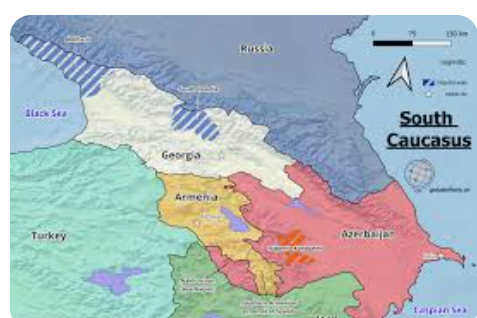
Türkiye–Armenia Border Reopening Signals Potential Turning Point in South Caucasus
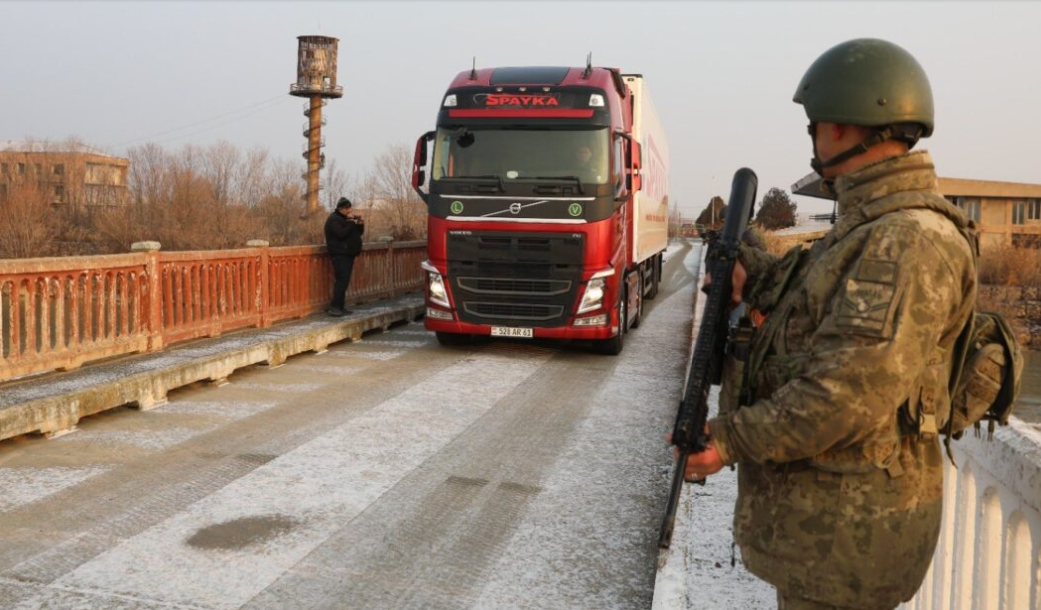 ermenistan
After more than three decades of closure, the Türkiye–Armenia border is moving closer to reopening, with recent steps suggesting a shift from symbolic diplomacy to practical implementation. While the move could reshape trade, geopolitics, and regional connectivity, its success will depend on careful political coordination and progress in Armenia-Azerbaijan relations.
From Frozen Border to Active Diplomacy
The land border between Türkiye and Armenia has remained closed since 1993, when Ankara shut crossings in support of Azerbaijan during the first Nagorno-Karabakh war.
For decades, the closure symbolized one of the most persistent geopolitical divisions in the South Caucasus, limiting economic interaction and regional integration.
Momentum began to shift following the 2020 Armenia-Azerbaijan war, which altered the regional balance and opened space for renewed diplomatic engagement. In 2021, Ankara and Yerevan appointed special envoys to explore normalization.
Recent Steps Signal Acceleration
Negotiations have progressed gradually, but developments in early 2026 suggest a clear acceleration:
- Launch of direct flights between Istanbul and Yerevan by Turkish Airlines
- Agreements to simplify visa procedures
- Plans to initiate direct land trade
- Preparations for reopening key border crossings
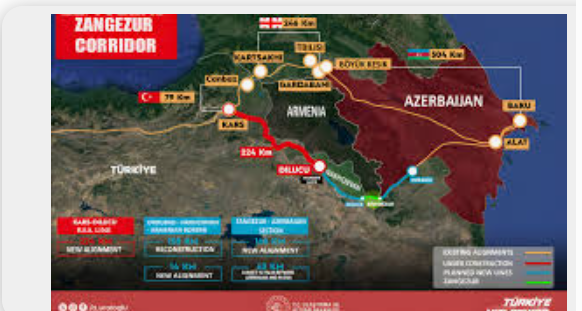
Infrastructure upgrades on both sides—including Armenia’s Margara checkpoint and Türkiye’s Alican crossing—indicate technical readiness for reopening.
Political Conditions Still Critical
Despite progress, reopening remains closely tied to broader regional dynamics.
Türkiye has traditionally aligned its Armenia policy with Azerbaijan, meaning normalization depends in part on a comprehensive peace agreement between Yerevan and Baku.
Recent developments—such as transit arrangements and US-backed regional initiatives—have improved the outlook. However, a final Armenia-Azerbaijan peace deal has yet to be concluded.
This creates a dual-track process:
- A breakthrough in peace talks could accelerate border reopening
- Renewed tensions could delay or halt progress
Domestic Politics Add Complexity
Internal political dynamics also play a role.
In Armenia, normalization with Türkiye remains controversial among segments of the population, particularly ahead of upcoming elections.
In Türkiye, policymakers must balance engagement with Armenia against their strategic partnership with Azerbaijan.
Economic and Strategic Implications
Reopening the border would have far-reaching economic effects.
For Armenia, it would:
- Reduce reliance on transit routes through Georgia and Iran
- Provide direct access to European and Middle Eastern markets
For Türkiye, it would:
- Strengthen its role as a regional trade hub
- Reinforce connectivity initiatives such as the Middle Corridor
The move comes at a time when Russia’s influence in the South Caucasus has weakened, creating space for new regional alignments.
Potential to Support Long-Term Stability
Expanded trade and connectivity could also support peace between Armenia and Azerbaijan.
Economic interdependence often raises the cost of conflict, creating incentives for cooperation.
However, uneven economic gains or local disruptions could generate new tensions if not managed carefully.
Local Impact: Opportunity and Adjustment
Communities along the border stand to benefit from renewed economic activity, including trade, tourism, and transport links.
At the same time, decades of isolation mean that local economies may struggle to adapt quickly to new competition and cross-border dynamics.
Administrative coordination between customs, border authorities, and regulatory bodies—many of which have never worked together—will be a key challenge.
Outlook: Progress with Uncertainty
The Türkiye–Armenia border reopening represents more than a bilateral milestone—it reflects a broader transformation in the South Caucasus.
While recent steps indicate that the process has moved beyond symbolic diplomacy, its outcome remains uncertain.
Much will depend on:
- Progress in Armenia-Azerbaijan peace negotiations
- Domestic political developments in both countries
- The broader geopolitical environment
Whether the border becomes a bridge for cooperation or remains a point of friction will depend on how these challenges are managed in the months ahead.
Eurasianet, Alpaslan Özerdem, excerpt
PA Turkey intends to inform Turkey watchers with diverse views and opinions. Articles in our website may not necessarily represent the view of our editorial board or count as endorsement.
Follow our English YouTube channel (REAL TURKEY):
https://www.youtube.com/channel/UCKpFJB4GFiNkhmpVZQ_d9Rg
Twitter: @AtillaEng
Facebook: Real Turkey Channel: https://www.facebook.com/realturkeychannel/
Related articles
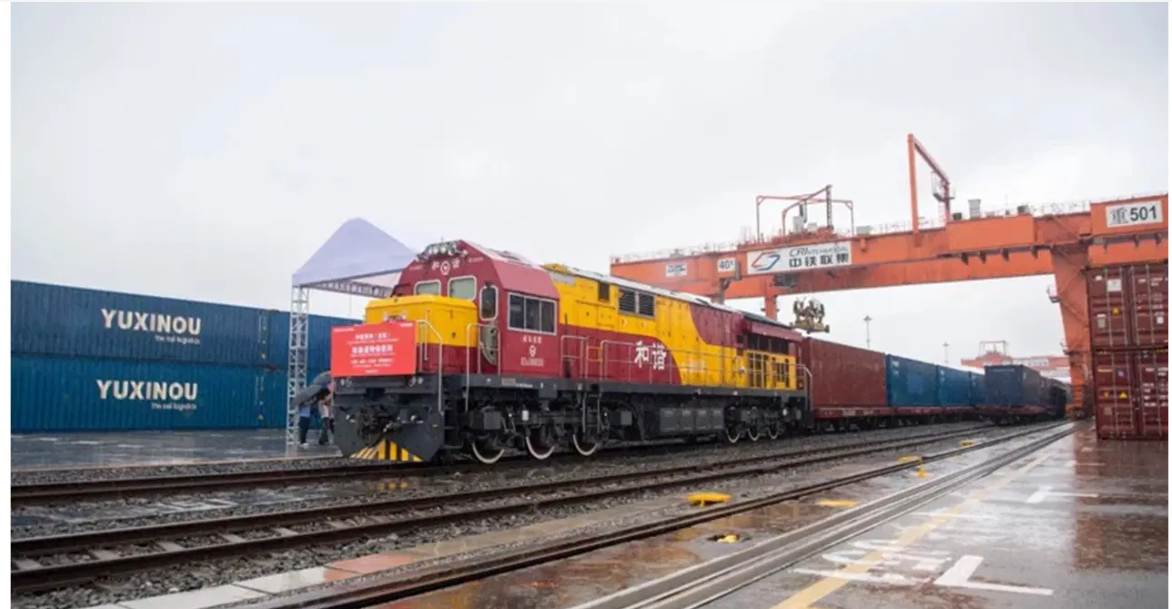
First China–Turkey Freight Trains Depart as Ankara Pushes to Lead Eurasian Trade Corridors
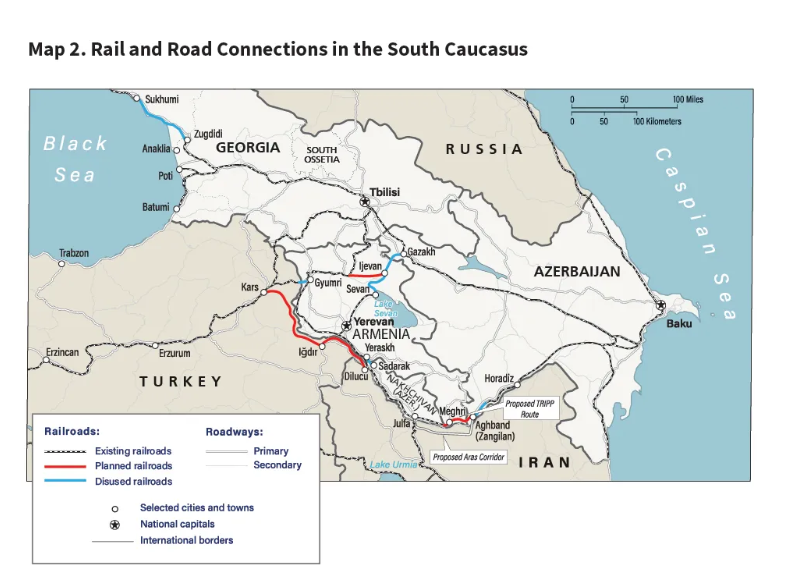
How Türkiye Can Help the South Caucasus Diversify Its Economies
TRIPP Project: Washington’s Strategic Play to Redefine the South Caucasus, Turkey’s Windfall