



Turkish Textile Giant’s Egypt Shift Sparks Mass Strike
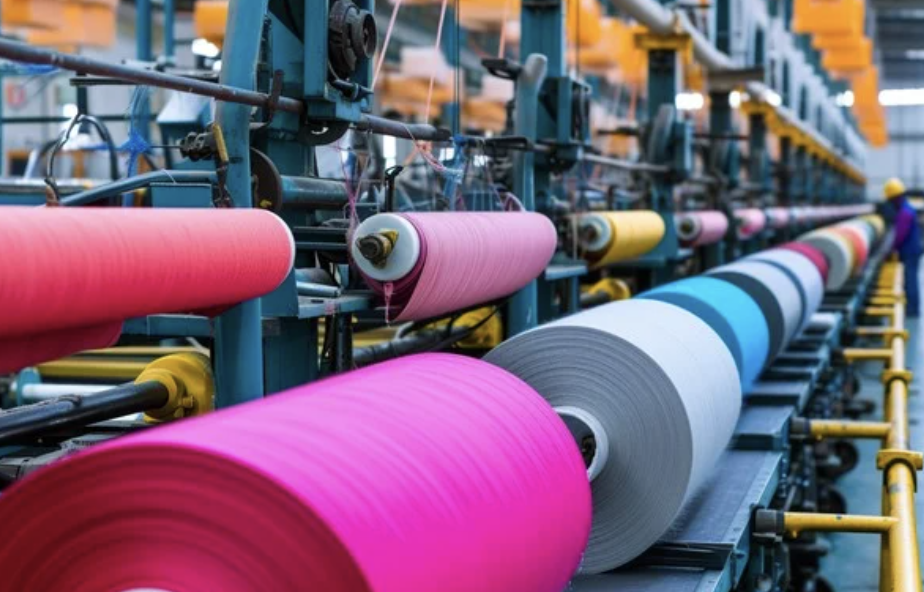 Textile Industry in Turkey
A major labor dispute has erupted at factories in Egypt operated by Turkey-based Yeşim Tekstil after workers staged a large-scale strike over what they describe as insufficient wage increases. The facilities, operating under the name Jade Tekstil, produce garments for global sportswear and ready-to-wear brands, placing the dispute at the heart of international supply chains.
The unrest began in the industrial hub of 10th of Ramadan City, where approximately 6,000 workers halted production in protest of a proposed wage increase they deemed inadequate. The strike soon expanded to include employees at the company’s Ismailia facility, signaling broader dissatisfaction among the workforce.
At the center of the dispute lies a proposed pay raise of around 800 Egyptian pounds. Workers, who currently earn an average monthly salary of 6,500 Egyptian pounds, are demanding that their wages be increased to at least 10,000 Egyptian pounds. The gap between expectations and the company’s offer has fueled tensions, underscoring broader concerns about labor costs, wage inequality, and the global textile industry’s cost structure.
Workers Demand Parity and Fair Compensation
Employees have framed their demands not as excessive, but as a call for fairness. Speaking to Egypt’s independent outlet Al Manassa, one worker expressed frustration over wage disparities within the company’s international operations.
“Haklarımızdan daha azını istedik. Bize şirketin Türkiye’deki çalışanlarının maaşının yarısını bile verin. Onlar bizim meslektaşlarımız değil mi, biz de aynı şirketin işçileri değil miyiz?”
The quote underscores a central theme of the strike: workers are comparing their compensation not only to local standards but also to that of their counterparts in Turkey. The demand for wage adjustments reflects broader debates about global production models, in which companies shift manufacturing across borders to optimize costs.
Tensions Rise as Transportation Services Halted
According to reports in Egyptian media, tensions escalated shortly after the strike began. Factory transportation services reportedly ceased operations, preventing workers from reaching production sites via company-provided buses. Workers interpreted the move as an attempt to weaken the strike.
Determined to continue their protest, many employees arranged their own transportation and gathered outside factory gates. There, they reportedly encountered police presence, adding another layer of strain to an already volatile situation. While no major incidents have been publicly confirmed, the confrontation underscores the seriousness of the standoff.
The suspension of shuttle services illustrates how labor disputes can quickly escalate beyond wage negotiations to operational and security concerns. For a company embedded in international apparel supply chains, prolonged disruptions could have implications beyond Egypt.
From Rising Turkish Labor Costs to Egyptian Expansion
The strike carries added significance because of the company’s strategic shift in recent years. Yeşim Tekstil, headquartered in Turkey, had expanded its manufacturing footprint into Egypt citing rising labor expenses at home. Egypt, with comparatively lower wage levels and proximity to key export markets, emerged as an attractive alternative.
Leading the Egyptian investment efforts is Selim Şankaya, Co-CEO of Yeşim Group. In previous statements, Şankaya emphasized that a substantial portion of production remains in Turkey, though Egypt’s share has been increasing rapidly. He described the expansion as aligned with “customer expectations and cost advantages,” reflecting a strategy designed to maintain competitiveness in a demanding global market.
However, the current strike highlights a paradox within that strategy. A move intended to reduce production costs has encountered resistance from workers who argue that their compensation does not reflect rising living expenses or the value they contribute to international brands.
The Broader Context: Global Supply Chains Under Scrutiny
The developments at Jade Tekstil’s Egyptian facilities highlight the complex dynamics of the global garment industry. Textile production frequently shifts toward regions offering lower labor costs, favorable trade agreements, and logistical advantages. Yet wage pressures, inflation, and worker mobilization can alter that calculus.
Egypt has positioned itself as a growing manufacturing hub, benefiting from its geographic location and trade arrangements with Europe and other markets. For Turkish companies facing increased domestic expenses, the country presents both opportunities and risks. While labor may initially be cheaper, economic realities can quickly reshape expectations.
The strike also reflects a broader pattern seen across emerging markets, where workers are increasingly vocal about compensation and working conditions. As multinational brands rely on international suppliers, labor disputes in one country can reverberate across entire supply chains.