



Turkish Exports: Gulf Conflict and Logistics Crisis Hit Trade
 foreign trade
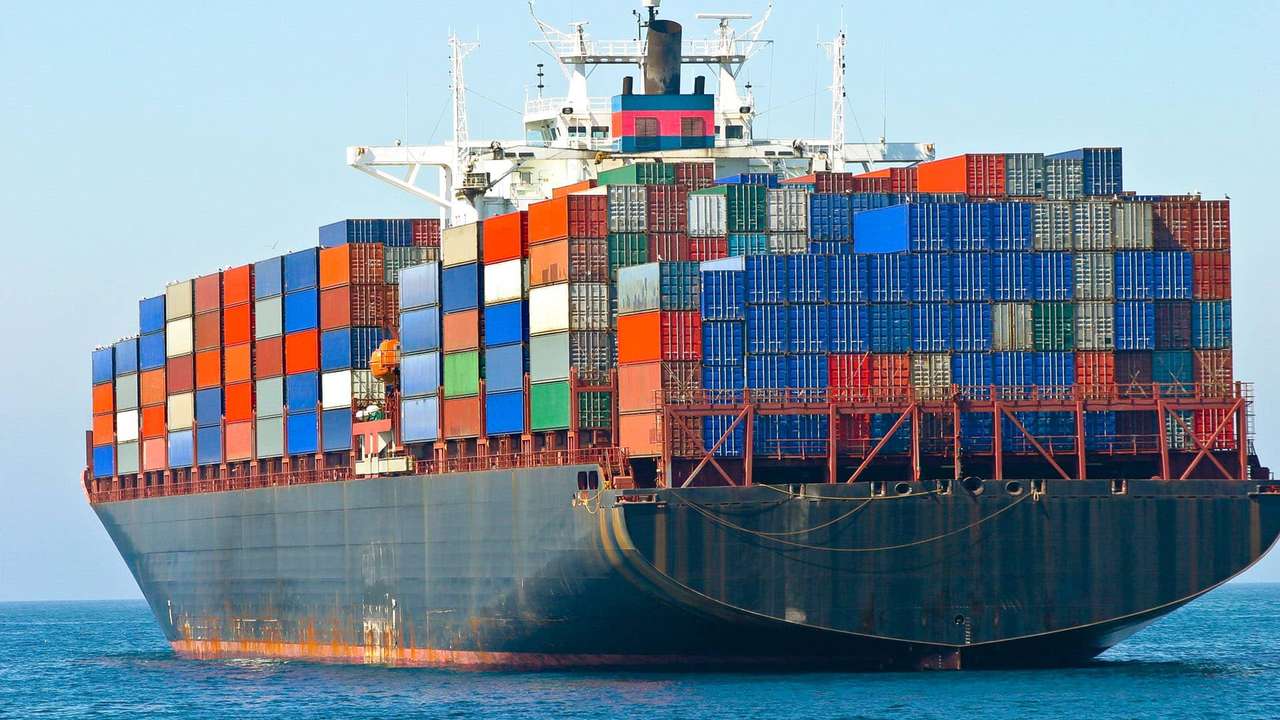
Türkiye’s export performance in the first quarter of 2026 has suffered a significant setback, with figures down 3.1% from the same period last year. According to the Ministry of Trade’s official data released on April 20, 2026, the country’s exports for January–March settled at $63.2 billion. The contraction is primarily attributed to the ongoing Gulf War, now in its 50th day, and the resulting closure of the Strait of Hormuz, a vital artery for regional trade.
The Cost of Geopolitical Volatility
The Ministry highlighted that the external trade balance has been under intense pressure due to military conflicts in the region. The disruption of global supply chains has forced exporters to seek more expensive and time-consuming alternative routes.
Key factors behind the decline include:
-
The Hormuz Blockade: With the Strait of Hormuz closed to foreign vessels, shipments to Middle Eastern and Asian markets have shifted to high-cost logistics paths, significantly increasing the “cauldron inflation” for manufacturers.
-
Gulf War Uncertainty: The 50-day conflict has shaken confidence in regional trade and caused extreme fluctuations in energy costs.
-
Calendar Effect: Discrepancies in working days compared to Q1 2025 further contributed to the lower mathematical volume.
Turkish Exports Breakdown: Cities That Defied the Trend
Despite the national decline, certain industrial hubs managed to maintain resilience. The Ministry noted that 40 provinces actually recorded an increase in exports, with 14 provinces exceeding the $1 billion threshold in the first quarter.
| Province | March 2026 Export Value | Trend |
| Istanbul | $3.816 Billion | $21.7\%$ Decrease |
| Kocaeli | $3.159 Billion | Limited Decrease |
| Izmir | $2.008 Billion | Limited Decrease |
| Bursa | $1.746 Billion | Stable |
| Yalova | $120 Million (Increase) | Top Gainer |
While major centers like Istanbul saw sharp declines due to the concentration of global trade logistics, provinces like Yalova and Şırnak emerged as top performers in terms of growth rate.
The Ministry emphasized that a recovery in Turkish Exports is heavily dependent on a return to geopolitical normalcy. “Our export potential remains high, but the 50-day Gulf War and the resulting logistics bottlenecks have acted as a brake on our Q1 targets,” the statement concluded. Exporters are now looking toward the second half of the year, hoping that the recently signed infrastructure deals and regional de-escalation efforts will provide the necessary rebound.
Source: karar