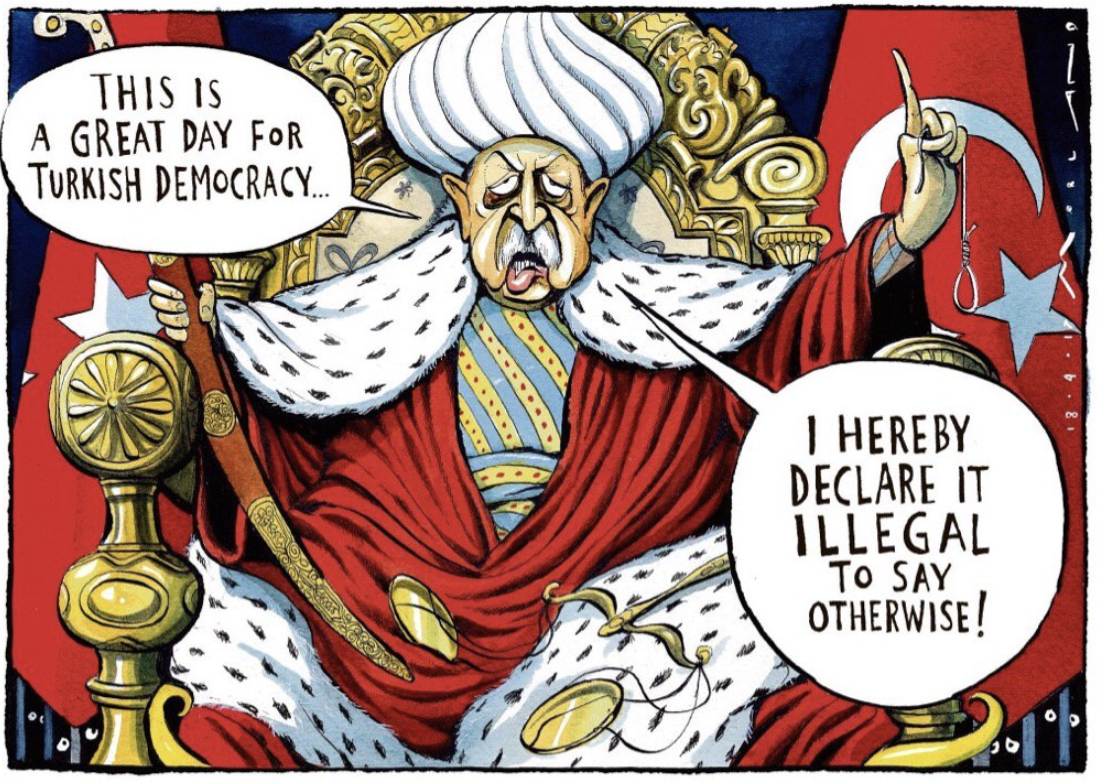
Turkey’s strategy to cut the Kurdish corridor between Syria and Iraq
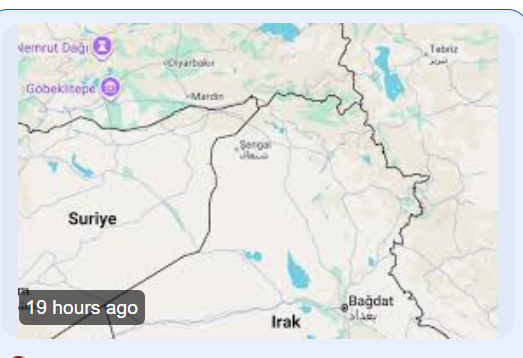 suriye ırak sınırı
Ankara Focuses on Qamishli–Sinjar Corridor as Syria-Iraq Dynamics Converge
Developments on the ground in Syria, coupled with signals from Ankara, suggest that the Syrian file may soon merge with Iraq’s security landscape. As integration efforts continue between Damascus and Kurdish-led forces in northeastern Syria, attention is shifting toward the Syria-Iraq border — particularly the Qamishli–Sinjar corridor — where Türkiye, Iraq, Iran-backed groups and the United States all have strategic stakes.
This year’s Munich Security Conference was dominated by two themes: growing tension between the European Union and the United States, and the Kurdish question across the Middle East. While transatlantic friction may have broader geopolitical implications, the developments affecting Türkiye are unfolding closer to home — in Syria and increasingly in Iraq.
Recent statements by Foreign Minister Hakan Fidan, who said that “after Syria, there is the Iraq leg,” have reinforced expectations that the Syrian dossier will expand into Iraq in the coming weeks.
Integration After the January 30 Agreement
Following the January 30 agreement between Damascus and Kurdish actors in Syria, the transfer of former SDF-held military bases, oil fields, administrative facilities and airports to the central government has continued.
The latest transfer took place in al-Shaddadi, located in the Hasakah countryside near a strategic junction linking Syria to Iraq. The area had previously witnessed heavy clashes with Islamic State militants.
For now, to ensure a relatively smooth and non-confrontational transition, these locations are being handed not to armed units sent from Damascus but to Asayish police forces that had already operated in the region.
OPINION: Turkey Signals No Immediate Withdrawal from Syria or Iraq
At the same time, the withdrawal of heavy weaponry belonging to the Syrian Democratic Forces (SDF) continues. However, questions remain about whether lightly equipped police units can secure critical infrastructure — especially given reports that numerous Islamic State militants and affiliates have escaped detention in recent weeks.
The Hasakah–Deir ez-Zor–Raqqa triangle has long been a hub of sleeper-cell activity since the territorial defeat of Islamic State. In addition to jihadist threats, tribal rivalries and power struggles contribute to the region’s fragility.
Challenges in Rebuilding a Unified Military Structure
Plans are underway to reorganize former SDF fighters into brigades under Damascus’ authority. Yet the chain of command, distribution of authority and willingness of seasoned fighters to submit to commanders appointed from Damascus remain unresolved issues.
Unlike rebuilding a conventional army, the current task involves integrating fighters who rose within various armed groups during the civil war, many of whom maintain independent economic and intelligence networks.
Analysts caution that transforming such disparate formations into a cohesive regular army — particularly among groups that were in active conflict until recently — presents structural challenges.
As a result, while the January 30 integration agreement marks a political milestone, its military implementation remains uncertain.
Signs of Emerging Decentralization
Parallel to military integration efforts, Syria appears to be moving — cautiously — toward a more decentralized administrative model.
During the Munich conference, a decree signed by Ahmed al-Sharaa expanded the authority of governors and mayors, allowing them to make personnel, procurement and administrative decisions without seeking prior approval from Damascus.
Although the decree has not formally declared a decentralized system, it broadens local authority in fiscal and administrative matters. How these powers are applied in practice may shape Syria’s future governance structure.
In Hasakah, Kurdish actors reportedly influenced the appointment of a preferred governor. However, the implementation of similar arrangements in demographically mixed areas such as Latakia remains unclear.
In Sweida, a Druze-majority city that experienced violent clashes in recent months, the situation is currently calm. In Latakia and Tartus, gradual steps have reportedly been taken to transfer certain local security responsibilities to armed units composed of Alawites, alongside limited reinstatement of former Alawite officers.
Still, these measures have not eliminated deep mistrust or the presence of numerous armed groups, ranging from radical elements to opportunistic militias.
U.S. Withdrawal and Border Tensions
Reports that the United States has begun vacating some of its bases in Syria have heightened uncertainty. The Syria-Iraq border has emerged as the focal point of regional attention.
Ankara, despite pursuing a renewed domestic political outreach process, remains concerned about the possibility that PKK-affiliated elements in Iraq could consolidate along the Syria-Iraq axis.
Meanwhile, Israel has intensified pressure on Iranian-backed armed groups in Iraq in coordination with Washington. Israeli officials argue that Iran-aligned militias could exploit any security vacuum along the border corridor.
Foreign Minister Fidan recently suggested that after Syria, attention would turn to Iraq, mentioning the possibility of coordinated action in Sinjar (Shengal), a strategic junction linking Iraq to Syria.
Baghdad responded sharply, summoning Türkiye’s ambassador. While Iraqi objections are not framed as support for PKK presence in Sinjar, Iran’s influence in Baghdad underscores the strategic value of the Sinjar–Syria corridor for Tehran-aligned groups.
Competing Strategic Objectives
Türkiye appears intent on securing the Syria-Iraq border zone — particularly through Sinjar — by empowering groups aligned with Ankara and limiting PKK maneuverability to the Qandil Mountains.
Baghdad, and by extension Tehran, are keen to preserve influence over the same corridor.
As developments in Syria unfold, including the management of Islamic State detainees and increased Israeli pressure on Iranian networks in Iraq, the Syrian and Iraqi files appear increasingly intertwined.
The Qamishli–Sinjar corridor may soon become the next arena where regional actors test their competing visions of security and influence.
Author: Hediye Levent (Evrensel Daily)
PA Turkey intends to inform Turkey watchers with diverse views and opinions. Articles on our website may not necessarily represent the view of our editorial board or count as endorsement.
Follow our English YouTube channel (REAL TURKEY):
https://www.youtube.com/channel/UCKpFJB4GFiNkhmpVZQ_d9Rg
Twitter: @AtillaEng
Facebook: Real Turkey Channel: https://www.facebook.com/realturkeychannel/
Related articles

Tim Ash Türkiye Trip Notes: Politics, Markets, and Geopolitics Through a Risk Lens
Turkey Warns Black Sea Tensions Could Spill Over as Tanker Strikes Raise Alarm
Egypt, Turkey Pledge Deeper Cooperation, Target $15 Billion Trade Amid Gaza and Libya Talks