



Turkey’s Labor Market Paradox: Unemployment Dips to 8.2%, but “Real” Joblessness Alarms at 29%
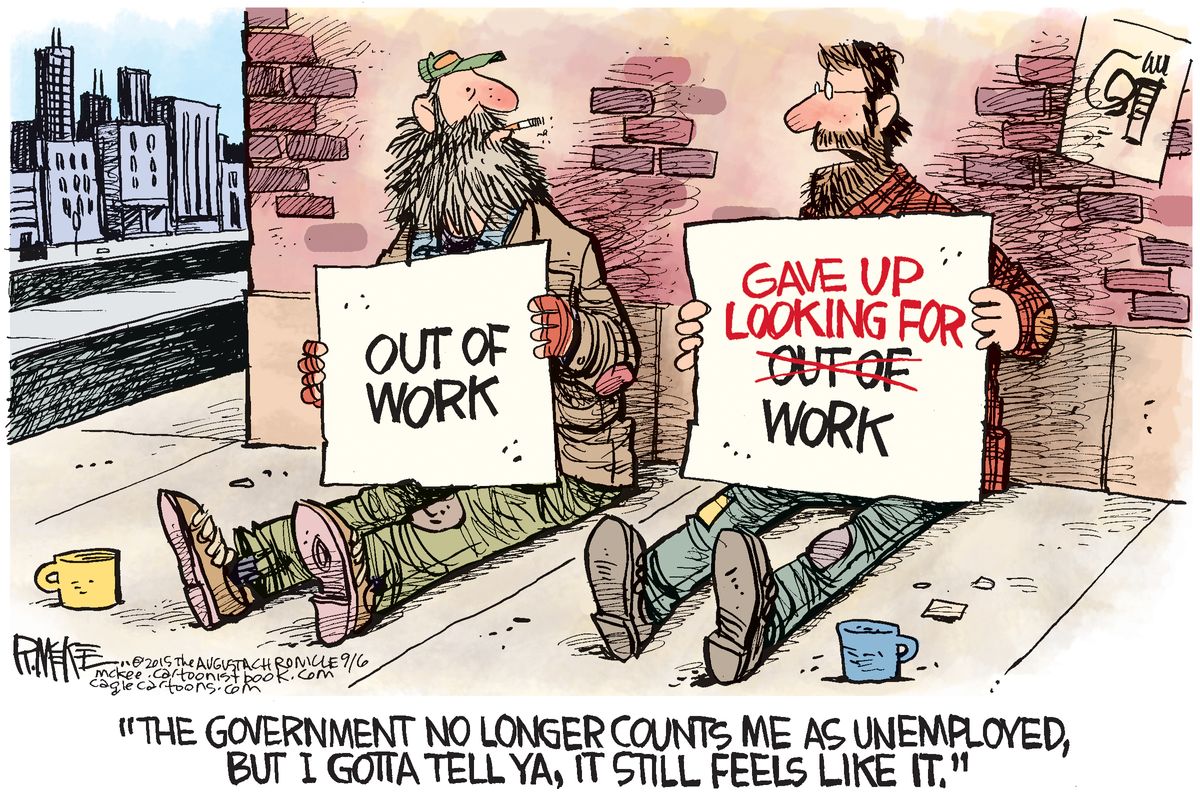
 unemployment generic
The Turkish Statistical Institute (TÜİK) released labor force statistics for the final quarter of 2025 on Feb. 18. While the headline unemployment rate fell to 8.2%, a deeper look into the “underutilized labor force” reveals a stagnant and fragile job market, with nearly one-third of the potential workforce remaining idle.
The Q4 Snapshot: Headlines vs. Reality
According to official data, the number of unemployed persons aged 15 and over decreased by 58,000 in Q4 2025 compared to the previous quarter, bringing the total to 2.913 million.
-
Headline Unemployment: 8.2% (a 0.2-point decline)
-
Employment Rate: 49.1% (up 0.1 points to 32.7 million people)
-
Labor Force Participation: 53.5% (total labor force of 35.6 million)
-
Youth Unemployment (15-24): 14.9% (20.7% for young women, 11.8% for young men)
Sectoral shifts showed a worrying decline in agriculture (-33,000 jobs), while industry and services each added 83,000 positions. Construction remained virtually flat with a marginal gain of 3,000 jobs.
CHP’s Açıkel Slams Wealth Gap: “Middle Class Is Being Erased”
Analysis: The Great Divide Between “Official” and “Real”
While the 8.2% figure suggests a robust recovery, the underutilization rate (broad unemployment)—which includes discouraged workers and those underemployed—tells a different story.
1. The “Discouraged Worker” Trap:
The fact that broad unemployment remains stuck at 29.0% despite a drop in the headline rate indicates a massive “hidden” unemployment pool. This 20.8-point gap highlights a significant portion of the population that has either given up looking for work or is trapped in precarious, part-time roles. This “jobless growth” suggests that the current economic expansion is failing to create high-quality, permanent positions.
2. Service-Heavy Vulnerability:
With 59.3% of employment concentrated in the service sector and industry stuck at 20.0%, Turkey’s economy is increasingly sensitive to fluctuations in domestic consumption. As tight monetary policy begins to cool internal demand, the lack of a strong industrial job engine could turn the current “soft landing” into a harder hit for workers.
Brokerages Warn of Accelerating Current Account Deficit, Raise 2026 Forecasts
3. The Gender and Youth Crisis:
The labor market remains starkly unequal. The female unemployment rate of 11.1% (and 20.7% for young women) compared to the male rate of 6.7% highlights a failure to integrate half of the nation’s human capital. The stagnant labor participation rate of 53.5% remains one of the lowest in the OECD.
Projections: 2026–2031 Outlook
As the Central Bank of Turkey (CBRT) maintains its “tight” stance to combat inflation, the labor market is expected to face a cooling period through 2027.
| Year | Unemployment Projection | Macro Driver |
| 2026 | 8.3% | Lagged impact of high interest rates on SMEs and credit-heavy sectors. |
| 2027 | 8.7% | Projected peak of the slowdown as fiscal consolidation tightens further. |
| 2028-2031 | 9.1% | Equilibrium shifts as AI and automation begin to displace low-skill roles. |
Future Catalysts:
-
The Green Transition: EU Green Deal compliance will force a reshuffle in export-led sectors (Automotive, Textiles). While “green-collar” jobs will rise, traditional manufacturing roles face extinction risk.
-
Demographic Shifts: A slowing population growth will eventually shrink labor supply. This may keep the unemployment rate from exploding, but it will exacerbate the “talent war” for skilled professionals.
Related articles

Mustafa Bilge Altun: From Student to Business Empire Fueled by Corruption and Favoritism
Turkey’s Unemployment Rate Drops to 8% in July 2025
Erdogan’s Turkey: Inflation, Repression, and the Tipping Point of Public Dissent