Turkey’s Informal Workforce Costs Over 1 Trillion TL Annually, TÜİK Data Shows
 unemployment
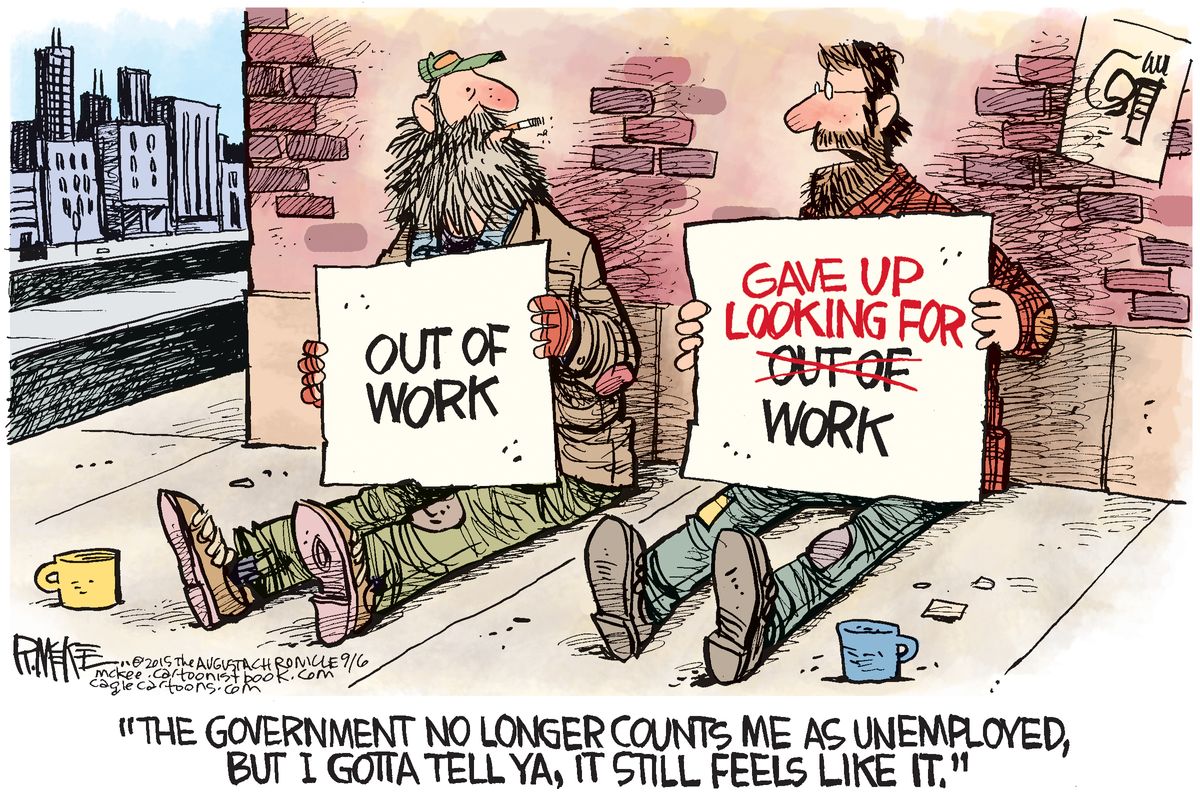
New fourth-quarter data released by the Turkish Statistical Institute (TÜİK) has revealed the scale of Turkey’s informal employment problem, showing that nearly one in four workers operates outside the official system.
According to TÜİK, 32 million 657 thousand people are formally registered as employed across Turkey. However, an additional 8 million 37 thousand individuals are classified as working informally. This places the informal employment rate at approximately 25%, highlighting a structural challenge in the labor market.
While the figure represents a decrease from 2024—when the number of informal workers stood at 8 million 580 thousand—the scale remains substantial. Despite a decline of 543 thousand individuals in one year, millions continue to work without official registration, social security coverage, or formal benefits.
Monthly Loss Nears ₺100 Billion
The financial implications are significant. Based on the 2026 gross minimum wage of ₺33,030, combined employer and employee social security contributions—including unemployment insurance and a five-point incentive discount—range between ₺12,139 and ₺12,739 per month. Using an average estimate of ₺12,439 per person, the fiscal impact becomes clear.
If all 8 million 37 thousand informal workers were registered at minimum wage levels, the Social Security Institution would collect approximately ₺149,272 in premiums per person annually. On a monthly basis, this translates to nearly ₺99.97 billion in additional revenue. Annually, the total would exceed ₺1.19 trillion.
These figures illustrate how informal employment creates a massive financing gap within the social security system. The lost revenue alone could significantly reduce institutional deficits and strengthen public finances.
Data Not Shared with Social Security Authorities
A critical issue raised by experts concerns the flow of information between public institutions. Although TÜİK identifies informal employment through surveys and inspections, these findings are not automatically transferred to the Social Security Institution for enforcement action.
Specialists describe the situation as paradoxical. On one hand, the state seeks foreign capital inflows and external financing; on the other, it forgoes potentially over ₺1 trillion annually due to unregistered employment.
Experts argue that legislative reform could address this gap. Making statistical findings legally binding as formal notifications would enable enforcement agencies to act directly. Improved inter-agency data sharing and field inspections could significantly reduce informality.
They emphasize that “in a country where one out of every four workers is informal, addressing this issue should be among the top policy priorities.”
Gender Disparities in Informal Work
The data also reveals notable gender disparities. Although men constitute a larger share of registered employment overall, women are proportionally more represented in informal work.
In 2025, the number of informal male workers stood at 4,887 thousand, corresponding to an informal employment rate of 22.3%. Among women, the figure was 3.15 million, but the informal rate climbed to 29.3%.
This indicates that, while fewer women are employed overall, a higher percentage of those who work are not formally registered. The pattern underscores structural inequalities in labor market access and social protection coverage.
Sectoral Breakdown Highlights Agriculture and Family Labor
Outside the agricultural sector, the informal employment rate is significantly lower at 15.9%, with approximately 4,492,000 individuals classified as informally employed in non-agricultural activities.
A particularly striking figure concerns unpaid family workers. Within this category, 1,948,000 individuals are recorded, and the informal rate reaches an extraordinary 85.8%. This suggests that unpaid or family-based labor remains largely outside formal regulatory frameworks.
The agricultural sector historically carries higher levels of informality, and unpaid family labor continues to play a major role, particularly in rural areas.
Structural Challenge for the Turkish Economy
Informal employment affects more than public finances. Workers outside the formal system lack access to pensions, unemployment benefits, and comprehensive healthcare coverage. This not only increases long-term social vulnerability but also weakens tax collection and the sustainability of social insurance.
For policymakers, the challenge lies in balancing enforcement with economic realities. High labor costs, administrative burdens, and sector-specific conditions often contribute to informality. However, the fiscal data suggest that reducing informal employment could generate substantial public revenue without raising tax rates.
Related articles
Özgür Özel Warns 2026 Minimum Wage Falls Below Hunger Line, Calls for Early Elections

Turkey Prepares for New Minimum Wage as Commission Meets on December 12

Turkey Draws a Red Line on Prices After 27% Minimum Wage Hike