Turkey’s Exports to Gulf Hit by War Shock, Minister Says
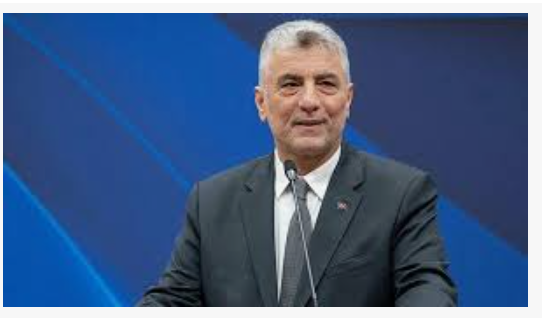 omer bolat
Turkey’s exports to Gulf countries have dropped sharply amid the ongoing Middle East conflict, with March data showing a steep decline. Trade Minister Ömer Bolat said disruptions linked to the Strait of Hormuz and rising energy costs have weighed heavily on trade flows, though early signs of recovery in orders are emerging.
Sharp Drop in Gulf Exports
Turkey’s Trade Minister Ömer Bolat said exports to Gulf countries have been significantly impacted by the war.
- 2025 exports to the Gulf: nearly $31 billion
- Imports from the region: $25.5 billion
However, between March 1–29:
- Exports fell 36.5% year-on-year to $1.2 billion
- Imports rose 3% to $1.6 billion, driven by higher energy prices
The decline was led by reduced shipments to:
- United Arab Emirates
- Iraq
- Iran
- Saudi Arabia
Strait of Hormuz Disruptions Hit Trade Routes
Bolat highlighted the importance of logistics in Turkey’s Gulf trade.
- 44.3% of exports were transported by road
- 40% of imports relied on maritime routes
The disruption of shipping lanes through the Strait of Hormuz has:
- Increased freight costs
- Slowed deliveries
- Disrupted supply chains
ANALYSIS: Iran War Unlikely to Offset Domestic Demand Strength as External Imbalances Widen
New Land Route Strategy to Offset Disruptions
To mitigate the impact, Turkey has moved quickly to establish alternative logistics routes.
Following negotiations with Saudi Arabia:
- Truck drivers have been granted 15-day transit visas
This allows goods to reach Gulf markets within 3–4 days by land.
In addition:
- Transit trade through Syria has resumed
- Routes via Jordan and Saudi Arabia are being activated
These steps are expected to accelerate trade flows in the near term.
Energy Shock Managed Through Policy Measures
Bolat said the war has pushed up prices for:
- Oil
- Natural gas
- Fertilizer
- Freight
However, Turkey has avoided supply disruptions thanks to:
- Diversified energy sourcing
- Strong storage capacity
To cushion the economic impact:
- A fuel price stabilization mechanism was introduced
- The Treasury absorbed over TRY 600 billion in lost tax revenues
Fertilizer Measures to Protect Domestic Supply
The government also implemented emergency measures in agriculture:
- Fertilizer exports were halted
- Import tariffs were reduced to zero
- Existing stocks were redirected to domestic use
These measures aim to contain price pressures in key sectors.
Early Signs of Recovery in Orders
Despite the sharp drop in exports, Bolat pointed to early signs of improvement:
- Orders from Gulf and global markets are beginning to recover
- Falling inventories are triggering new demand
This suggests that export activity could rebound once conditions stabilize.
Chemical Sector Remains a Key Driver
Bolat emphasized the importance of the chemical industry:
- Export value: $32 billion in 2025
- Turkey ranks:
- 6th globally in plastics production
- 2nd in Europe
The country is also strengthening its position in:
- Cosmetics
- Cleaning products
- Pharmaceuticals and medical devices
SAMEKS PMI Signals Slowdown as Turkey’s Economic Momentum Weakens before the War
Turkey Aims to Become Regional Supply Hub
Looking ahead, Bolat said Turkey is positioning itself as a reliable supply and logistics hub in the region.
Once the conflict ends, Turkey aims to:
- Strengthen trade links
- Expand logistics capacity
- Increase its role in regional supply chains
Conclusion
The Middle East conflict has delivered a significant blow to Turkey’s exports to the Gulf, while rising energy prices have increased import costs.
However:
- Alternative trade routes
- Early signs of demand recovery
offer some optimism for a rebound once geopolitical conditions stabilize.
The trajectory of energy prices and the duration of the conflict will remain critical for Turkey’s external trade outlook.
Related articles
Turkish Trade Minister Signals Possible Sunday Closures for Supermarkets Amid Consumer Protection Push

The cost of Ramadan menu subject of FT article
Trade Minister highlights increasing US business interest in Turkey