Turkey’s Development Road to Reshape Global Logistics
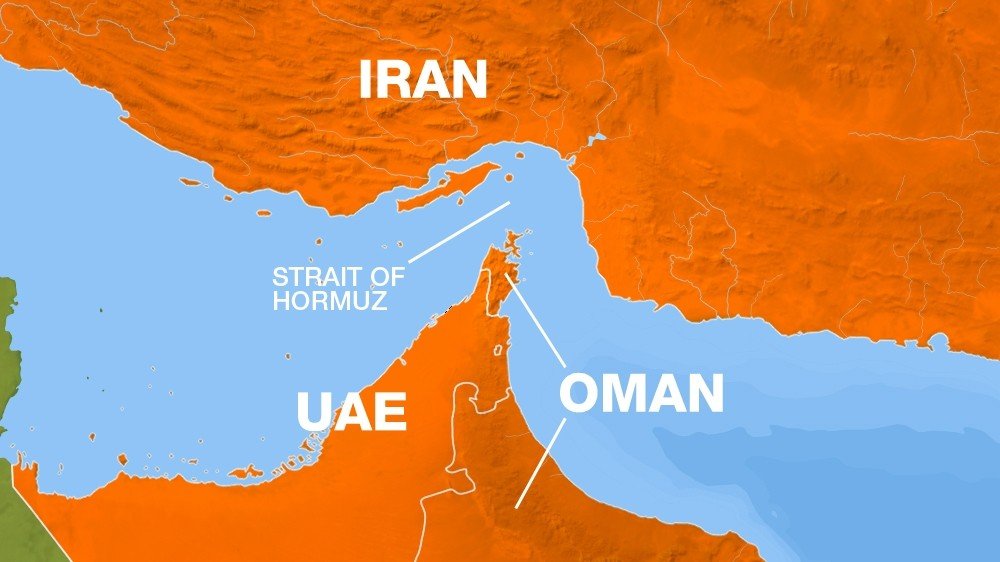 HOURMUZS
In a landmark announcement at an iftar in Ankara, Transport and Infrastructure Minister Abdulkadir Uraloğlu unveiled staggering economic projections for the Development Road Project. This ambitious 1,200-kilometer trade corridor, stretching from Iraq’s Grand Faw Port to Europe through Turkish territory, is set to inject $55 billion into the national economy and global logistics over the next decade. Beyond the fiscal gains, the initiative is expected to become a massive engine for the labor market, generating up to 70,000 new jobs annually.
A Strategic Bridge Between 67 Nations
The Development Road is not merely a local infrastructure project; it is a multilateral geostrategic move backed by Iraq, Qatar, and the United Arab Emirates. Minister Uraloğlu highlighted that the corridor will solidify Türkiye’s status as a central logistics node, connecting approximately 67 countries within a four-hour flight radius.
By integrating with the existing Middle Corridor, the project will drastically reduce rail transit times between Asia and Europe. The network is designed to link seamlessly with major Turkish ports across the Black Sea, Aegean, and Mediterranean, ensuring that Türkiye remains the indispensable link in the global supply chain.
Regional Connectivity: Zangezur and the Hejaz Railway
The Minister also provided critical updates on other regional arteries. Construction has officially commenced on the Zangezur Corridor, with 224 kilometers currently under development by a domestic Turkish firm. Estimated to be completed within five years, this route will provide a direct gateway to Turkic nations and Asia-Pacific markets.
Furthermore, diplomacy is entering the realm of restoration, as Türkiye is actively negotiating with Syria to reconstruct damaged sections of the historic Hejaz Railway, which has traditionally connected Damascus to Jordan.
Global Logistics: Ships Stranded at Hormuz
The regional economic optimism is currently tempered by the military escalation in the Middle East. Uraloğlu reported that 14 Turkish commercial vessels are currently stranded outside the Strait of Hormuz along with 800 other international ships. On the aviation front, while flight crews have been safely evacuated, two Turkish Airlines and Pegasus aircraft remain grounded in Iran due to the volatile security situation.
Digital Leap: 5G Launch and Satellite Success
The future of Turkish connectivity is also moving into the digital and orbital realms:
-
5G Rollout: Türkiye’s national 5G network is scheduled to transmit its inaugural signal on April 1, with 32 million compatible devices already active.
-
Satellite Expansion: The domestic Türksat 6A now serves 5.5 billion people, and development for Türksat 7A is already underway.
-
Social Media Regulation: A new proposal aims to restrict social media access for users under 15, following global safety trends seen in France and Australia.
Related articles

Türkiye Poised to Become Strategic Hub for New Global Trade Routes
Iraq Election Outcome Seen as Boost for Stability as Sudani Strengthens Position
First China–Turkey Freight Trains Depart as Ankara Pushes to Lead Eurasian Trade Corridors