Turkey Walks a Tightrope as Iran War Escalates Across Region
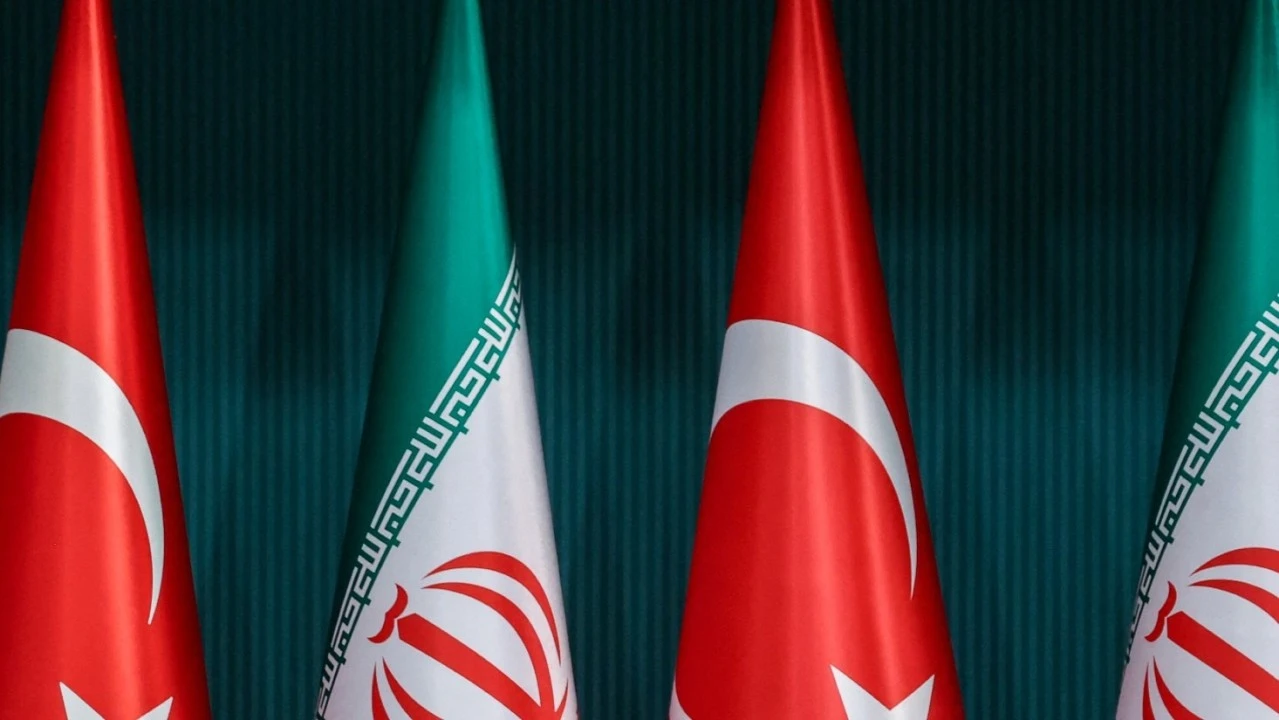 Iran-Turkey
As the U.S.-Israel war on Iran expands beyond a regional conflict, Turkey is pursuing a delicate balancing act—maintaining neutrality while intensifying diplomatic efforts to contain the crisis. Ankara faces rising security, economic, and geopolitical risks but is positioning itself as a key mediator.
Ankara Opposed War From the Start
Turkey had warned against military escalation even before the conflict erupted.
- Joined Gulf states in urging Washington to pursue diplomacy
- Warned that even “limited strikes” could trigger regional spillover
Those concerns have largely materialized, with the conflict now affecting multiple regions from the Gulf to Europe.
Trump Praises Türkiye for Staying Out of Iran War as Ankara Steps Up Diplomacy
A Delicate Balance Between Washington and Tehran
President Recep Tayyip Erdoğan has taken a calibrated stance:
- Condemned U.S. and Israeli strikes as violations of Iran’s sovereignty
- Criticized Iran’s retaliatory attacks on Gulf states as “unacceptable”
This dual-track response reflects Turkey’s long-standing strategy of geopolitical balancing.
A Complex Relationship With Iran
Turkey’s relationship with Iran is best described as “cooperative rivalry.”
While competing in certain theaters, the two countries have aligned on key issues:
- Opposition to the 2017 Iraqi Kurdish independence referendum
- Shared criticism of Israeli regional policies
- Support for Qatar during the Gulf blockade
Ankara does not view Tehran as an existential threat, but rather as a regional competitor with overlapping interests.
Bahçeli Says Regional Turmoil Has Created a New Opening for Türkiye’s Global Ambitions
Biggest Concern: Instability in Iran
Turkey’s primary fear is not a stronger Iran—but a collapsing one.
Potential risks include:
- A new refugee wave
- Rising ethnic tensions
- Increased activity by Kurdish militant groups
A breakdown in Iran could empower groups linked to the PKK, posing a direct threat to Turkey’s internal security.
Sensitivity Over Kurdish Dynamics
Reports suggesting the U.S. might support Kurdish elements inside Iran have alarmed Ankara.
Foreign Minister Hakan Fidan:
- Warned against exploiting ethnic divisions
- Sought assurances from Washington
Turkey sees Iran’s territorial integrity as critical to regional stability and its own national security.
Missile Incidents Raise Stakes
Missiles intercepted over or near Turkish airspace in March heightened tensions.
- NATO systems intercepted incoming projectiles
- Ankara issued strong warnings to Tehran
President Erdoğan emphasized that violations of Turkish airspace are unacceptable, while Iran denied responsibility.
Economic Pressures Mount
The war is already impacting Turkey’s fragile economic balance:
- Rising oil prices are fueling inflation risks
- Dependence on imported energy increases vulnerability
- Gas imports from Iran face potential disruption
Adding to uncertainty, long-term energy agreements with Russia and Iran are nearing expiration.
Tourism and Trade Take a Hit
Regional instability is also affecting Turkey’s real economy:
- Tourism from Iran and neighboring countries has nearly stopped
- Eastern and southeastern regions are particularly affected
Major destinations like Istanbul and Antalya remain relatively resilient—for now.
Turkey Positions Itself as Mediator
Ankara has stepped up diplomatic engagement:
- Maintaining communication with the U.S., Iran, EU, and Gulf states
- Promoting ceasefire initiatives
- Acting as an indirect channel for dialogue
Turkey’s ability to speak to all sides gives it unique leverage as a mediator.
Israel Factor Complicates the Equation
Israel’s increasingly aggressive posture introduces additional risks:
- Raises tensions between Ankara and Tel Aviv
- Could undermine Turkey’s mediation role
If the U.S. and Israel diverge in strategy, Turkey’s diplomatic positioning could become more complex.
Conclusion: High Stakes, Narrow Margin for Error
Turkey finds itself caught between competing powers in a rapidly escalating conflict.
Its strategy is clear:
- Stay out of the war
- Preserve regional stability
- Use diplomacy to limit escalation
But as the conflict drags on, maintaining this balance will become increasingly difficult.