Turkey Urges Supermarkets to Cut Prices Before Ramadan
 supermarket-price-increases
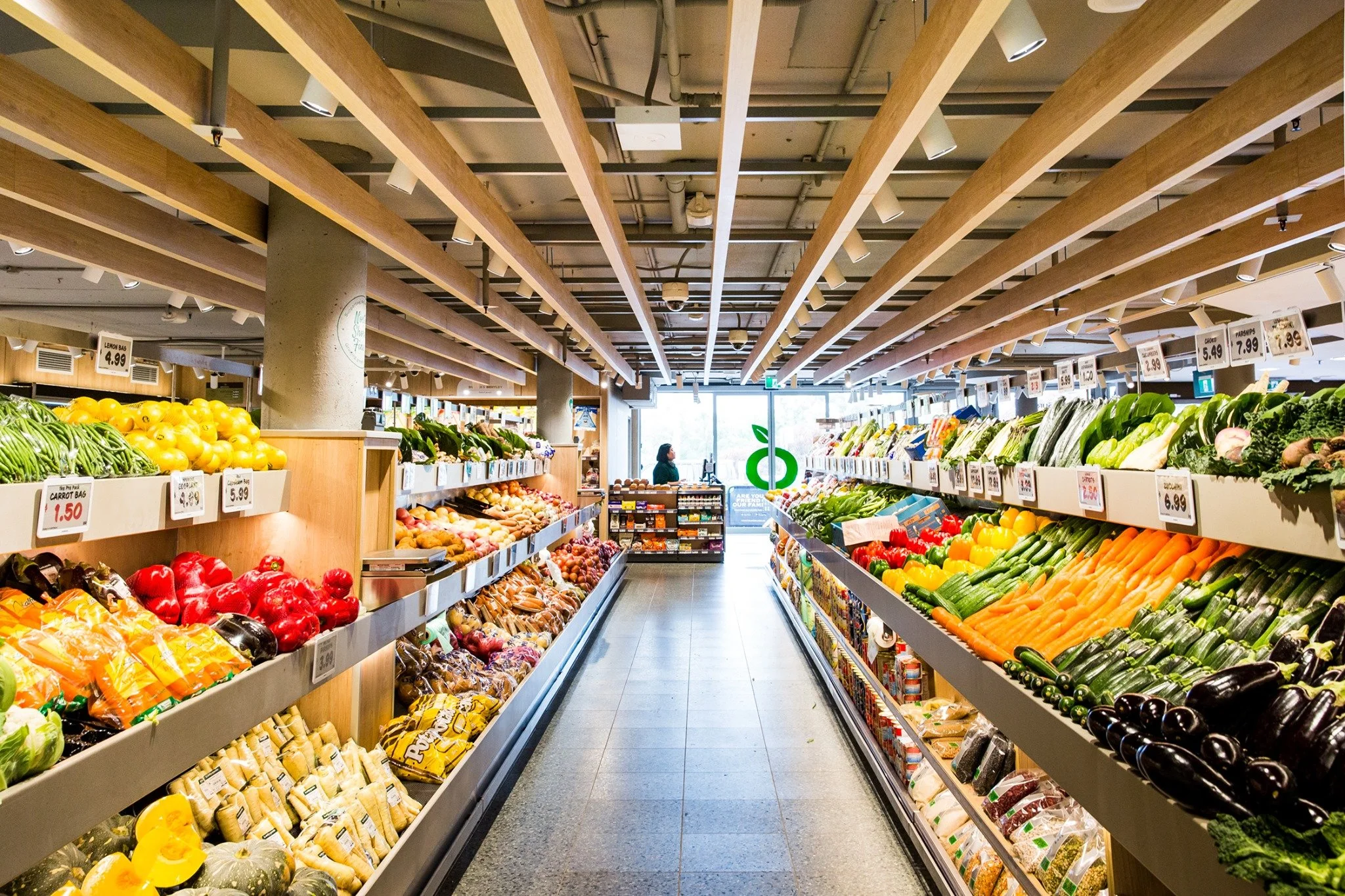
With inflation continuing to strain household budgets, Turkey’s Trade Ministry has stepped in to engage directly with supermarket executives and food sector representatives. As the holy month of Ramadan approaches, the government is seeking immediate measures to stabilize food prices and improve affordability, particularly for low- and middle-income families who have been hit hardest by rising costs.
For years, persistent inflation has eroded purchasing power nationwide. Despite a series of policy initiatives and economic adjustments, price pressures have remained stubborn. Essentials such as food and household goods have absorbed a significant share of family incomes, intensifying public concern over the cost of living.
In response, the Trade Ministry convened high-level meetings with food wholesalers, major retail chains, and sector stakeholders. The objective was clear: ensure price stability in essential food items, expand discount campaigns, and guarantee uninterrupted supply chains throughout Ramadan.
Focus on Basic Food and Consumer Access
According to the ministry’s official statement, comprehensive preparations are underway to ensure access to staple foods at more affordable prices. The discussions focused on strengthening cooperation between suppliers and retailers to prevent sudden price spikes during periods when food consumption traditionally rises.
Representatives from local and national supermarket chains, along with wholesale distributors, reportedly agreed to intensify discount campaigns and promotional efforts. The ministry emphasized that maintaining a steady flow of goods—particularly basic necessities—would be critical to preventing opportunistic pricing.
This move signals a short-term intervention strategy aimed at cushioning consumers from inflationary pressure during a sensitive time of year. Ramadan often brings heightened demand for staple goods such as flour, oil, sugar, meat, and dairy products. Any supply disruption or speculative pricing could amplify already elevated living costs.
Tighter Inspections and Anti-Profiteering Measures
Beyond voluntary price adjustments, authorities also underlined their enforcement strategy. The ministry announced that inspections would be strengthened throughout Ramadan. Officials warned that unjustified price increases, hoarding practices, and speculative market behavior would be closely monitored.
Businesses found engaging in unfair pricing practices may face administrative penalties. The government reiterated its determination to safeguard consumers against artificial shortages or exploitative markups.
Citizens encountering excessive price hikes are encouraged to report them through official complaint channels. These include the Presidential Communication Center (CİMER), the Unfair Price Increase Notification Application, and the Alo 175 consumer hotline. By expanding oversight mechanisms, the ministry aims to deter market manipulation.
Inflation’s Broader Economic Impact
While the ministry’s intervention may provide temporary relief, the broader challenge of inflation remains complex. Sustained price increases have disproportionately affected households living near or below the poverty threshold. For these families, even small changes in staple food prices can significantly disrupt monthly budgets.
Economists often note that food inflation has outsized social consequences because it directly affects daily consumption. In emerging markets, food expenditure accounts for a large share of household spending. When prices rise faster than wages, real incomes decline, intensifying economic vulnerability.
A Seasonal Measure or Broader Signal?
The timing of the meetings—just before Ramadan—suggests a proactive attempt to prevent seasonal price surges. Historically, increased demand during religious or national holidays can create temporary market distortions. By coordinating with retailers in advance, authorities hope to avoid sharp fluctuations.
At the same time, the outreach to supermarket executives may signal a broader strategy of closer state-market coordination during periods of economic stress. Rather than imposing direct price controls, the ministry appears to be encouraging voluntary compliance supported by regulatory oversight.
Whether these efforts will produce measurable relief remains to be seen. Much depends on supply chain dynamics, global commodity trends, and domestic production costs. Nonetheless, the move underscores the government’s awareness of rising public sensitivity to food prices.
Related articles

Financial Stability Now Outweighs Inflation as Primary Concern, Says Prof. Burak Arzova
30–50K Earners Can’t Afford Food, Rent, or Transport: AKP Report

CBRT governor Karahan: Tight monetary stance to continue until disinflation achieved