



Turkey’s Buffer Zone Plan: Bracing for U.S.-Iran Conflict
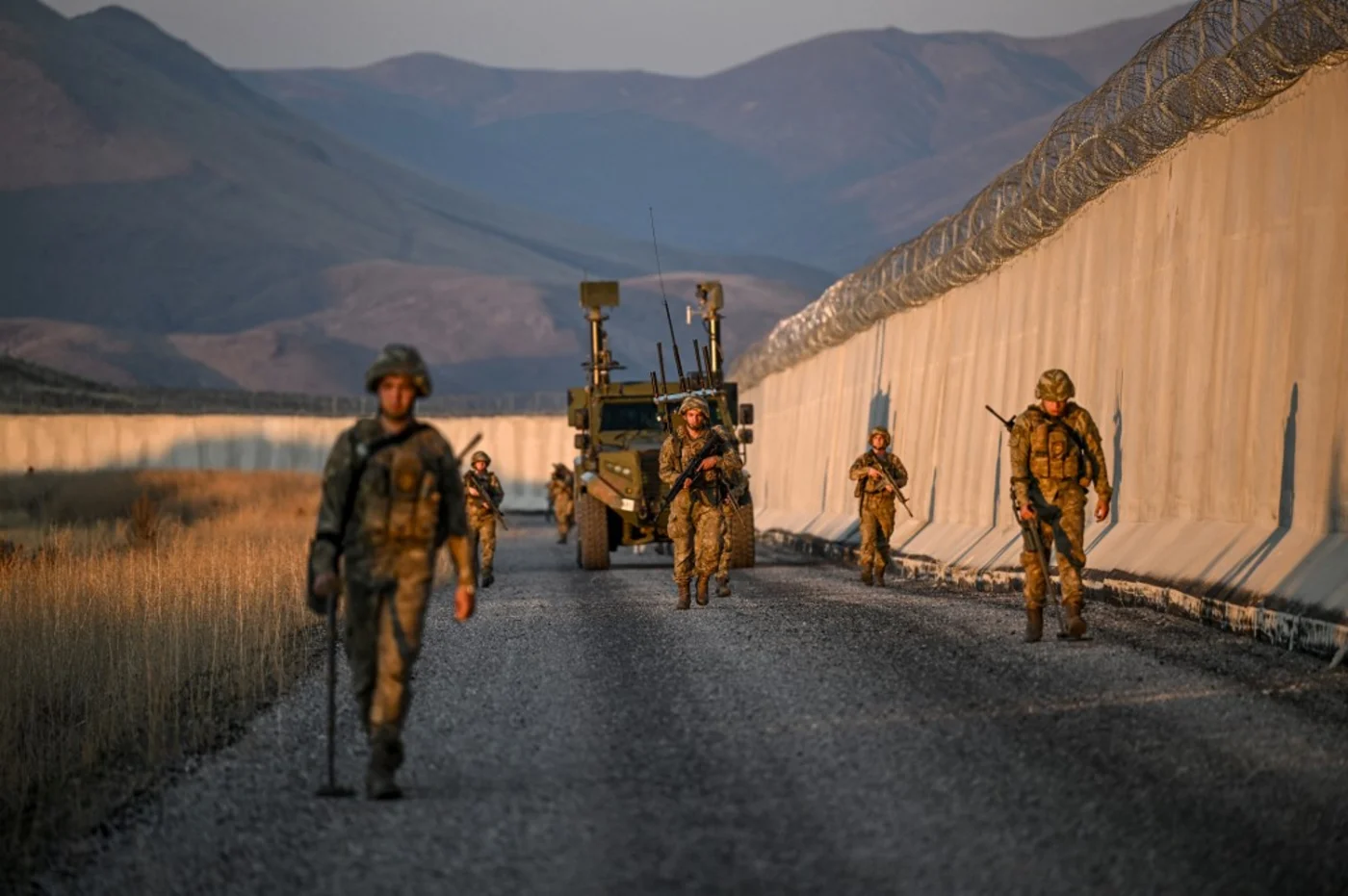 Turkey-Iran-buffer-zone
Tensions in the Middle East have reached a critical threshold as U.S. President Donald Trump signals potential military intervention against Iran’s nuclear program. Ankara is reportedly taking no chances, updating its emergency protocols to mitigate the fallout of a potential regional war.
NATO Radars Shift Focus to Iran
In a strategic shift, NATO’s advanced AWACS (Airborne Warning and Control System) radar aircraft, based in Turkey’s central city of Konya, have redirected their surveillance efforts. Previously focused on monitoring Russian activity, these “flying radars” are now primarily tracking movements along the Iranian border. According to Bloomberg, this heightened surveillance is a response to the massive U.S. military buildup in the region, which now includes two aircraft carriers and dozens of warships—the largest such armada in decades.
The Main Threat: A “Demographic Tsunami”
While the military risks are high, Ankara’s primary concern is an economic and social crisis triggered by a massive new wave of refugees. Turkey already hosts approximately 3 million Syrian refugees, and officials fear that a conflict in Iran would push hundreds of thousands of Afghan and Pakistani nationals currently residing there toward the Turkish frontier. Such an influx would place an unbearable burden on a Turkish economy already battling high inflation and stagnant growth.
“Buffer Zone” on the Table
To prevent a repeat of the Syrian migration crisis, Turkey has updated its military contingency plans. While the priority remains building refugee camps along the border, the most radical option being discussed is a cross-border military operation to establish a “buffer zone” inside Iranian territory.
Turkish officials emphasize that such a move would only be executed if a “power vacuum” occurs within Iran, allowing for a proactive defense of the border to stop migration at its source.