Turkey Hikes Electricity and Gas Prices by 25% — Inflation Risks Rise
 elektrik-dogalgaz zam
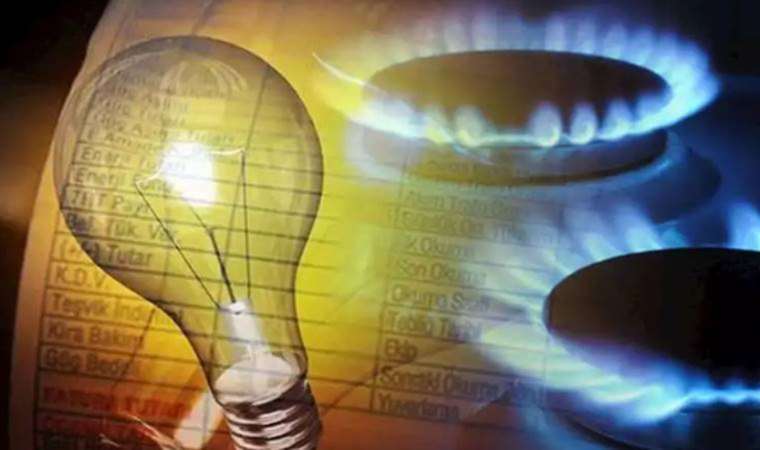
Türkiye has implemented a sharp 25% increase in electricity and natural gas tariffs effective April 4, 2026, citing rising global and domestic energy costs. The move is expected to significantly raise household expenses and production costs, with economists warning of a notable upward impact on inflation in the coming months.
Energy Prices Jump in One Move
Turkey’s energy regulator, the Energy Market Regulatory Authority (EPDK), announced a 25% increase in both electricity and natural gas tariffs, effective immediately.
The decision affects:
- Households
- Industrial users
- Commercial subscribers
With the new pricing in place, all electricity and gas consumption from April 4 onward will be billed at the higher rates.
Official Justification: Rising Costs
In its statement, EPDK pointed to:
- Volatility in global energy markets
- Rising input costs
- Increasing production and distribution expenses
The regulator emphasized that the adjustment was necessary to ensure the financial sustainability of the energy system.
Immediate Impact: Households and Industry Hit
The price hike comes at a sensitive time:
- Fuel prices have already been rising
- Inflation remains elevated
- Real incomes are under pressure
For households, the increase translates directly into higher utility bills, while for businesses it raises operational and production costs.
Inflation Warning: How Much Will CPI Increase?
Economists widely expect the energy hike to feed directly into inflation—but the key question is how much.
Direct Impact (First-Round Effect)
Energy has a meaningful weight in Türkiye’s CPI basket:
- Electricity + gas combined weight: roughly 5–6%
A 25% increase implies:
👉 Direct CPI impact: ~1.2 to 1.5 percentage points
Indirect Impact (Second-Round Effects)
The larger risk comes from pass-through effects:
- Manufacturing costs rise
- Transportation and logistics become more expensive
- Food production (especially greenhouse and cold chain) is affected
👉 Estimated indirect impact: 0.8 to 1.5 percentage points
Total CPI Impact
Combining both channels:
👉 Total inflation impact: ~2 to 3 percentage points over the next 3–6 months
This assumes no further energy shocks.
Why This Matters: Inflation Dynamics Could Shift Again
This development is particularly important because:
- Türkiye was already struggling to bring inflation down toward the 30–35% range
- Energy is a core input across the economy
- Pricing behavior in the private sector may adjust upward again
In other words:
👉 This is not just a one-off adjustment—it risks re-anchoring inflation expectations higher
Market Reaction: Growing Concern
Market participants are increasingly worried about:
- Cost-push inflation returning
- Profit margins being squeezed
- Demand weakening further
There is also concern that:
👉 Businesses may front-load price increases, accelerating inflation in the short term.
Policy Implications: Pressure on Central Bank
The hike complicates monetary policy:
- The Central Bank was already navigating a fragile disinflation path
- Higher energy prices may delay rate cuts
- In a worst-case scenario, further tightening could be required
Bottom Line
The 25% energy price hike marks a critical turning point for Türkiye’s inflation outlook.
- Direct impact is significant
- Indirect effects could be even larger
- Inflation may rise by 2–3 percentage points in coming months
At a time when the economy is already under pressure, this move risks:
👉 Slowing growth
👉 Raising costs
👉 Complicating policy decisions