Turkey Faces a Growing Mental Health Emergency as Economic Pressures Deepen
 pharmacy
Turkey is approaching a serious mental health crossroads as economic hardship, unemployment, and future anxiety increasingly shape daily life. Newly released data from opposition figures and independent research institutions point to a society struggling to cope, where emotional exhaustion is widespread and medication has become a primary coping mechanism rather than long-term psychological support.
Figures shared by the Republican People’s Party (CHP) and findings from MetroPOLL Research together paint a stark picture of a country under sustained psychological strain. Rising living costs, uncertainty, and social polarization are no longer just economic or political issues; they are deeply affecting the nation’s collective well-being.
Antidepressant Use Reaches Historic Levels
According to data disclosed by CHP Deputy Chair Burhanettin Bulut, antidepressant consumption in Turkey reached unprecedented levels in 2025. The total number of antidepressant boxes used nationwide exceeded 71 million, marking a dramatic escalation over the past decade.
In 2016, antidepressant use stood at 45.1 million boxes. Over ten years, this figure surged by nearly 58.5%, making medication use one of the most visible indicators of growing emotional distress. In 2025 alone, antidepressant consumption increased by 9% year-on-year, translating into roughly 6 million additional boxes compared to the previous year.
This sharp rise also carried a high fiscal cost. Public spending linked to antidepressant use reached approximately 6.48 billion Turkish lira in 2025, adding further pressure to already strained public finances.
High Burnout Affects the Majority of Society
The social and psychological context behind rising medication use is reinforced by findings from MetroPOLL Research’s “Social Burnout and Trust” report, published as part of its December 2025 survey series. According to the study, Turkey scores 59 out of 100 on the burnout index, placing it firmly within the “high burnout” category.
Most notably, 61% of respondents reported experiencing high levels of emotional exhaustion in their daily lives. This exhaustion manifests as constant worry, mental fatigue, and a sense of pressure that shapes everyday decision-making and emotional responses.
The burden of burnout is not evenly distributed. The report identifies women, young people, and the unemployed as the most affected groups. Among women, nearly two-thirds (66%) reported high levels of burnout. The findings suggest that economic insecurity, combined with social and emotional responsibilities, disproportionately strains women’s mental well-being.
In addition, 55% of participants said that following the country’s political and economic agenda makes them feel overwhelmed. For many, news consumption has shifted from being a source of information to becoming a direct source of stress and anxiety.
Mental Health Needs Rise, Access Remains Limited
One of the most troubling findings of the MetroPOLL report is the gap between mental health needs and access to professional support. Over the past year, 44.3% of respondents reported a need for psychological assistance. Despite this widespread need, very few were able to obtain professional help.
While 70% of respondents reported turning to family members during difficult times, only 2% said they had consulted a psychologist or psychiatrist. This disparity suggests that millions are attempting to manage deep emotional strain without adequate professional care.
The data reinforces the idea that medication is often used as a short-term coping tool rather than part of a comprehensive treatment plan. Structural barriers, cost concerns, stigma, and limited access to mental health services all appear to play a role in preventing people from seeking professional support.
Erosion of Trust Fuels Psychological Strain
Economic and emotional pressures have also contributed to a broader crisis of trust. According to the survey, 45% of voters fall into the “trust no one” category, including state institutions, public organizations, and even unfamiliar individuals.
This erosion of trust compounds psychological distress by weakening social cohesion and increasing feelings of isolation. Without confidence in institutions or shared solutions, uncertainty becomes more deeply ingrained in everyday life.
Young People Increasingly Want to Leave the Country
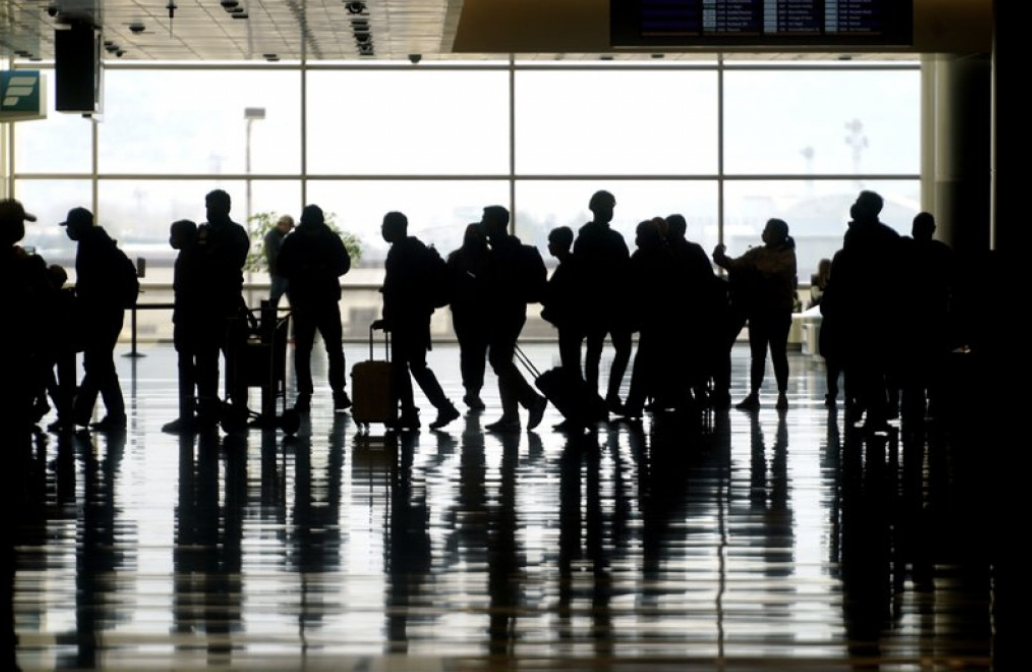
Perhaps the most consequential finding relates to young people’s sense of belonging and future prospects. Among those aged 18–34, particularly among the educated, the number of individuals who say “If I had the opportunity, I would live in another country” has risen sharply.
The report notes that this sentiment is no longer marginal. Instead, it has become a mainstream mindset, nearly matching the proportion of young people who say they want to remain in Turkey. Subject shift reflects not only economic concerns but also emotional fatigue, lack of trust, and diminishing optimism about long-term stability.