



Turkey Emerges as Key Transit Hub for EU Military Goods Reaching Russia
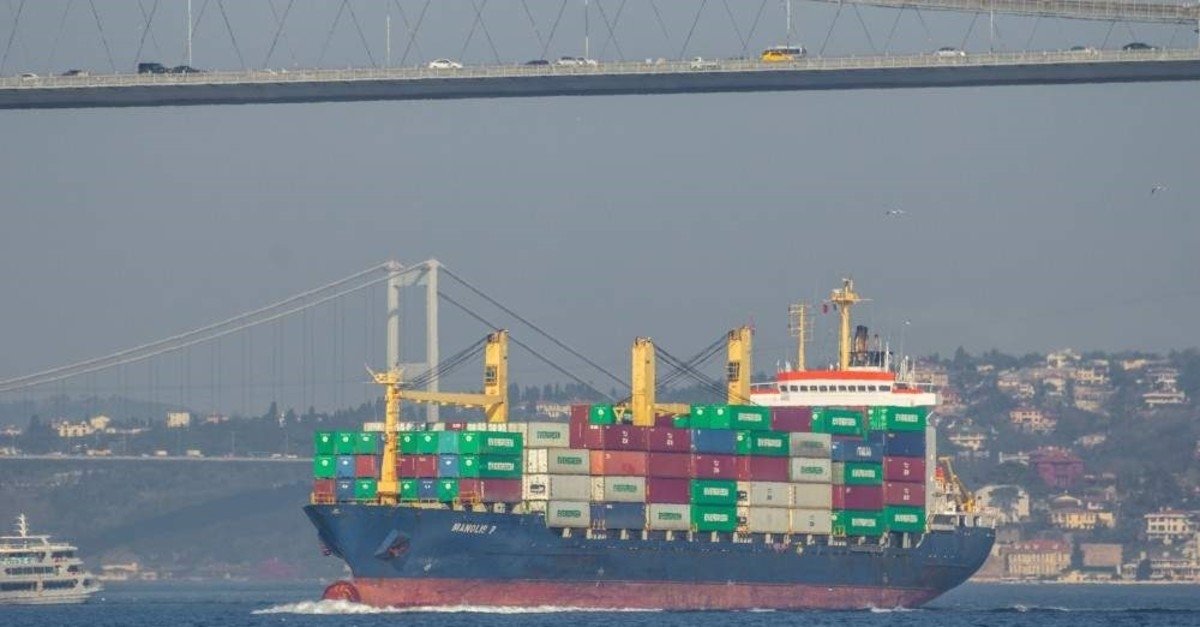 bosphorus
A new report by the Ifo Institute has uncovered a striking detail about the ongoing enforcement challenges surrounding European Union sanctions on Russia. According to confidential Russian customs data analyzed by the institute, 36% of EU-manufactured military goods that still reach Russia are routed through Turkey.
This revelation underscores the persistent difficulties facing the EU as it attempts to curb Moscow’s access to Western technology amid the war in Ukraine. Since the start of the conflict, the European Union has introduced 19 sanctions packages aimed at weakening Russia’s military capacity. Yet, despite these sweeping measures, Western-made components continue to appear in Russian weapons systems recovered from the battlefield.
Third Countries Play Critical Role in Re-Exports
The data shows that Turkey leads the list of intermediary countries facilitating indirect exports of EU military equipment to Russia. Following Turkey, China accounts for 23% of such transfers, Hong Kong for 16%, and the United Arab Emirates for 10%.
The report makes clear that intentionally indirect exports to Russia are illegal under EU law. However, proving intent remains a major obstacle. Companies operating in third countries often function outside EU jurisdiction, making enforcement legally and diplomatically complex. Even when suspicions arise, gathering sufficient evidence to secure convictions is difficult.
Moreover, businesses involved in these re-export channels can generate significant profits. The financial incentives, combined with limited oversight in certain jurisdictions, create fertile ground for sanctions circumvention.
Western Components Found in Russian Drones
The issue is not merely theoretical. A recent investigation conducted by several European media outlets revealed that Western-made parts are being used in Russia’s Geran-2 suicide drones. These drones have become a notable feature of the conflict, with over 4,600 reportedly deployed against Ukraine since the beginning of 2026.
The presence of Western technology in such weapons systems illustrates the real-world consequences of sanctions evasion. Despite export controls, components designed and manufactured in Europe continue to surface in active military hardware used on the battlefield.
Indirect Exports Persist Despite Sanctions Tightening
According to Ifo findings, indirect exports to Russia between 2022 and 2024 accounted for approximately 13% to 24% of the pre-war average. In financial terms, this amounts to an estimated €20 million to €50 million per month in redirected trade.
Stricter sanctions implemented in 2024 appear to have reduced the scale of indirect exports. In the final three months of that year, the figure reportedly declined to 6% of the pre-war average. While this suggests that tougher measures may be having an effect, the persistence of even reduced flows indicates that enforcement gaps remain.
Feodora Teti, a trade expert at the Ifo Institute, emphasized that the report likely understates the true scale of the issue. Because the data only accounts for indirect exports routed through third countries, it does not capture other illicit methods such as smuggling or undocumented transactions. As a result, the figures represent what she described as the lower bound of “the actual extent of sanctions evasion.”
Sanctions Enforcement Faces Structural Challenges
The findings highlight a broader structural problem within global trade networks. Modern supply chains are highly interconnected, often involving multiple intermediaries across jurisdictions. This complexity can obscure the ultimate destination of sensitive goods, particularly dual-use technologies with both civilian and military applications.
While the EU has strengthened export controls and introduced penalties targeting circumvention, enforcement ultimately depends on cooperation from third countries. Without consistent international alignment, loopholes can persist.
The report also raises important questions about the effectiveness of sanctions as a policy tool. Although sanctions can restrict direct trade, indirect channels may blunt their intended impact. Monitoring and controlling these channels requires sophisticated tracking mechanisms, intelligence sharing, and diplomatic engagement.
Broader Implications for EU Policy
The revelation that Turkey accounts for more than one-third of EU military goods reaching Russia places additional scrutiny on transit routes and trade oversight mechanisms. It may also influence future EU policy discussions regarding secondary sanctions, compliance verification, and trade transparency.
At the same time, the decline in indirect exports toward the end of 2024 suggests that enhanced regulatory measures can yield measurable results. Policymakers now face the challenge of closing remaining gaps while maintaining international economic stability.
Ultimately, the Ifo report underscores a central tension of modern sanctions regimes: in an interconnected global economy, restricting access to strategic goods is far more complicated than simply banning exports. It requires continuous monitoring, coordinated enforcement, and adaptability in the face of evolving trade tactics.