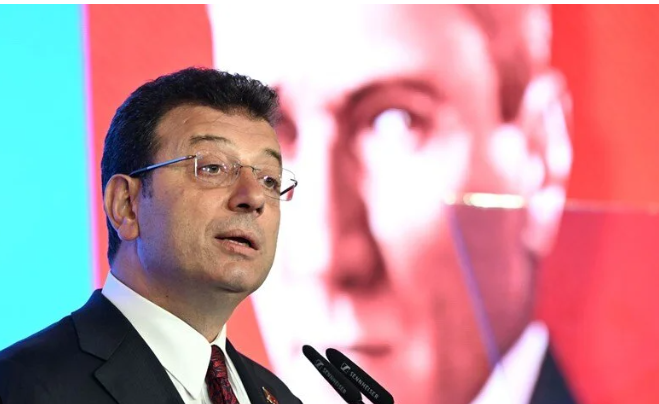
Turkey Appoints Akın Gürlek as New Justice Minister
 Yılmaz -Tunç
Turkey has officially appointed Akın Gürlek as the country’s new Minister of Justice, following a late-night cabinet reshuffle signed by President Recep Tayyip Erdoğan. Gürlek assumed office from former Justice Minister Yılmaz Tunç during a formal handover ceremony, marking a significant transition within the Turkish government’s judicial leadership.
The appointment comes amid broader cabinet changes, drawing public attention to the direction of Turkey’s legal and judicial reforms. As the former Chief Public Prosecutor of Istanbul, Gürlek steps into one of the most influential positions in the country’s governance structure, with responsibilities that directly shape the rule of law, judicial policy, and criminal justice administration.
During the ceremony, outgoing Minister Yılmaz Tunç reflected on his tenure and highlighted the reforms he led. He emphasized that substantial progress had been made in strengthening justice services and improving institutional capacity within the Ministry of Justice.
Tunç praised Gürlek’s performance as Istanbul’s Chief Public Prosecutor, pointing to his experience and dedication in managing high-profile cases and complex legal processes. He expressed confidence that Gürlek would approach his new responsibilities with determination and professionalism. In his remarks, Tunç also extended his best wishes to his successor and stated that he would continue to offer his support when needed.
Gürlek’s First Statement as Justice Minister
In his first public address as Turkey’s new Justice Minister, Akın Gürlek thanked President Recep Tayyip Erdoğan for entrusting him with what he described as an honorable responsibility. His remarks signaled continuity in judicial policy while emphasizing further institutional strengthening.
“I would like to thank President Erdoğan for entrusting me with the honorable task of serving as Minister of Justice. Significant steps have been taken in Turkey’s legal system. We will continue our relentless fight against crime. This is a race for the flag. We will strive to build a stronger state governed by the rule of law. I will do everything in my power to resolve the issues faced by our fellow judges and prosecutors.”
The statement underscores several key priorities for Gürlek’s tenure: reinforcing the rule of law, maintaining a firm stance against crime, and addressing the professional concerns of judges and prosecutors. His reference to a “bayrak yarışıdır” — a relay race — suggests continuity rather than abrupt policy change, positioning his leadership as part of an ongoing institutional process.
Focus on Rule of Law and Institutional Strengthening
Gürlek’s emphasis on building a “stronger rule of law” reflects a central pillar of Turkey’s judicial discourse. The rule of law in Turkey has been a recurring theme in government policy, reform packages, and international discussions. By placing this objective at the center of his inaugural speech, Gürlek signals that legal reform and institutional stability will likely remain at the forefront of the ministry’s agenda.
His pledge to continue an uncompromising fight against crime also indicates that criminal justice enforcement will remain a priority. As Istanbul’s former Chief Public Prosecutor, Gürlek has firsthand experience overseeing major investigations and managing prosecutorial operations in Turkey’s largest city. That background may shape his approach to nationwide judicial coordination and prosecution policies.
Equally notable is his commitment to addressing the concerns of judges and prosecutors. The functioning of the judiciary depends not only on legislation but also on institutional morale, working conditions, and administrative efficiency. Gürlek’s commitment to addressing professional challenges in the judiciary suggests a focus on internal structural improvements.
A Midnight Cabinet Change That Drew Attention
The appointment followed what was described as a midnight cabinet revision, which also included changes in other key ministries. Such timing naturally drew public interest and media coverage, placing additional spotlight on Gürlek’s entry into office.
Cabinet reshuffles often serve as turning points in governance, reflecting shifting priorities or renewed policy focus. In this case, the transition at the Ministry of Justice comes at a time when legal reforms, debates over judicial independence, and law enforcement strategies remain central to national discussions.
Observers will likely watch closely how Gürlek balances continuity with innovation. His remarks suggest adherence to the existing framework while aiming to reinforce institutional strength. Whether new legislative initiatives or structural adjustments follow remains to be seen.
What Comes Next for the Justice Ministry?
As the new Justice Minister, Gürlek inherits ongoing projects and reform agendas initiated under his predecessor. These may include the digitalization of court services, procedural reforms, and initiatives to improve access to justice. The direction and speed of these initiatives could provide early indicators of his leadership style.
His background in prosecution may also influence the ministry’s operational priorities. Experience in criminal investigations and courtroom proceedings can shape perspectives on legislative gaps, procedural efficiency, and enforcement mechanisms.
For now, Gürlek’s first message has been clear: continuity, determination, and institutional strengthening. The coming months will reveal how those priorities translate into policy actions.
Related articles
Sinan Ciddi/FDD: Turkey’s Cabinet Reshuffle Signals Possible Dynastic Succession Plan
Talk of a cabinet reshuffle has begun: Mehmet Simsek may be dismissed
Six killed, seven injured after blaze at perfume warehouse in Kocaeli