



Trump’s Secret CIA Plan: Arming Kurds for the “Great Iran Uprising”
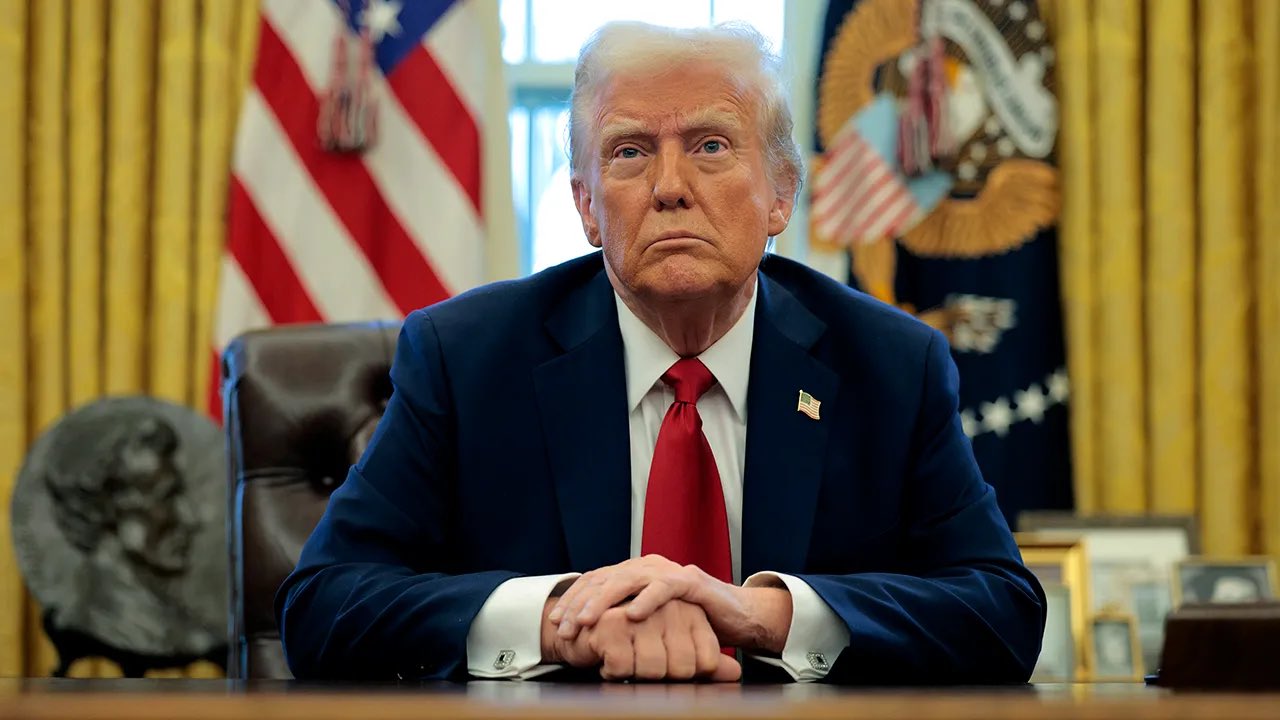 trump
trump
According to reports from CNN, the CIA is actively developing a strategy to arm Iranian Kurdish opposition groups to trigger a popular uprising against the Iranian regime. The plan, reportedly backed by the Trump administration, involves high-level military support and coordination with Kurdish leaders in Iraq to facilitate a ground operation in Western Iran.
This development marks a significant escalation in U.S. regional policy, shifting from diplomatic and economic pressure to direct support for armed resistance.
Strategic Objectives of the Operation
Sources familiar with the discussions indicate that the mission serves several tactical purposes:
-
Creating a Buffer Zone: One proposal suggests Kurdish forces could hold territory in Northern Iran to act as a protective buffer for Israel.
-
Stretching Military Resources: By engaging the Islamic Revolutionary Guard Corps (IRGC) along the border, the U.S. hopes to thin out Iranian security resources, making it easier for unarmed protesters in major cities to mobilize.
-
Encouraging Defection: Kurdish groups have already issued calls for Iranian military personnel to defect as the “ground operation” nears.
Regional Logistics and Risks
The operation’s success depends heavily on the cooperation of the Iraqi Kurds. Since Iranian Kurdish groups primarily operate from the semi-autonomous Kurdistan region of Iraq, weapons transit and launching points require local approval.
Potential Challenges
-
Fractured Alliances: Kurdish groups have a history of internal tension and competing ideologies, leading some Trump administration officials to question their long-term reliability.
-
Sovereignty Concerns: Critics, including former State Department officials, warn that arming non-state militias could undermine Iraqi sovereignty and lead to an unaccountable “volatile security situation.”
-
Historical Distrust: The Kurds have a long history of feeling abandoned by the U.S. in previous conflicts, specifically citing the 2019 withdrawal from Syria.
Current Military Activity
The IRGC has already responded to the threat, launching drone strikes against Kurdish positions on Tuesday. Simultaneously, the Israeli military has reportedly been striking Iranian police and military outposts along the Iraq-Iran border to clear a path for the potential flow of Kurdish forces into northwest Iran.
| Entity | Role in Reported Plan |
| CIA | Lead agency for arming and training forces. |
| Trump Administration | Providing political backing and direct communication with leaders. |
| KDPI | Major Iranian Kurdish party targeted for ground operations. |
| Israel | Providing reported aerial support and boundary clearing. |
A Legacy of Cooperation
The U.S. relationship with Kurdish forces spans decades, most recently characterized by the campaign against ISIS in Iraq and Syria. While the Kurds have often hoped for independence in exchange for their support, the U.S. has historically focused on immediate tactical goals.
National security analysts suggest this new initiative is a “jump-start” to a regime-change process that the Iranian people, who are largely unarmed, could not achieve alone.
Source: CNN