Trump Confirms Arming of Iranian Dissidents via Kurdish Proxies
 trump
trump
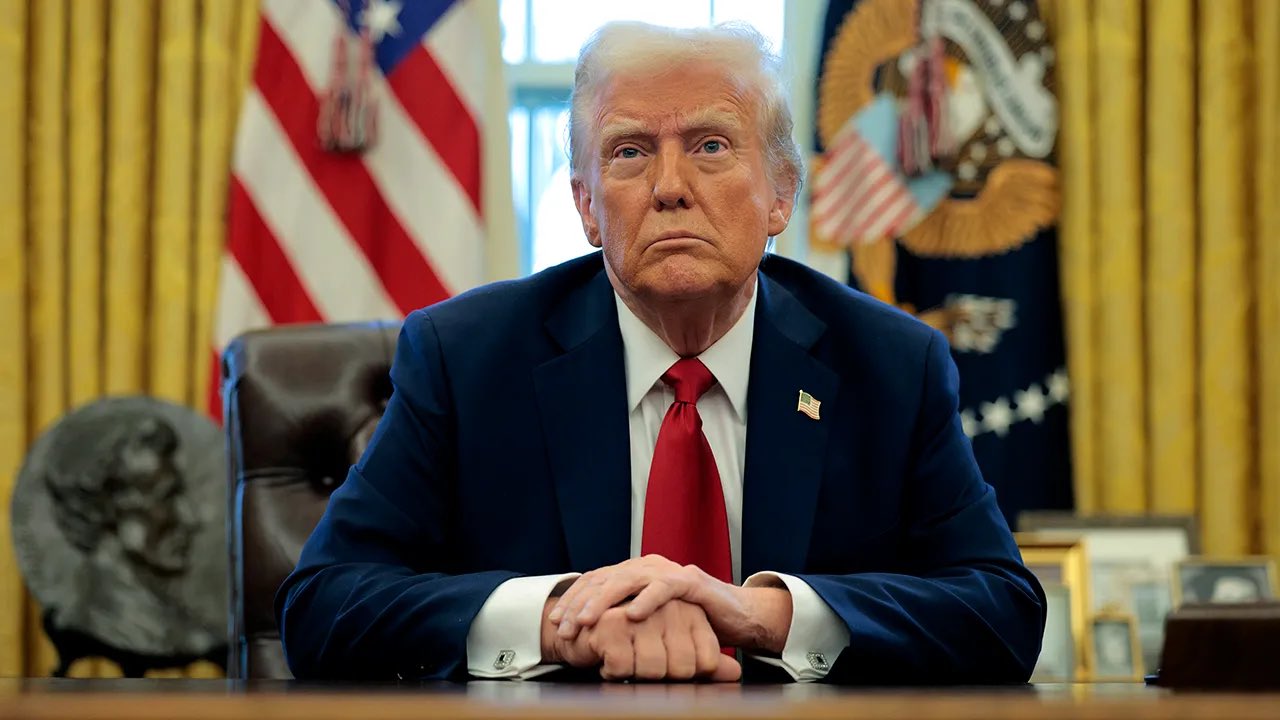
In a staggering admission that has sent shockwaves through international diplomatic circles, U.S. President Donald Trump has confirmed that Washington is no longer merely supporting the Iranian opposition rhetorically. During a high-stakes interview with Fox News’ Trey Yingst, Trump verified that the United States has dispatched “massive amounts of weapons” intended for anti-regime protesters inside Iran. This revelation marks a transition from conventional warfare to a volatile strategy of arming Iranian dissidents, effectively opening a new, internal front in the ongoing regional catastrophe.
The Kurdish Pipeline: Trump Casts Doubt on Weapon Delivery
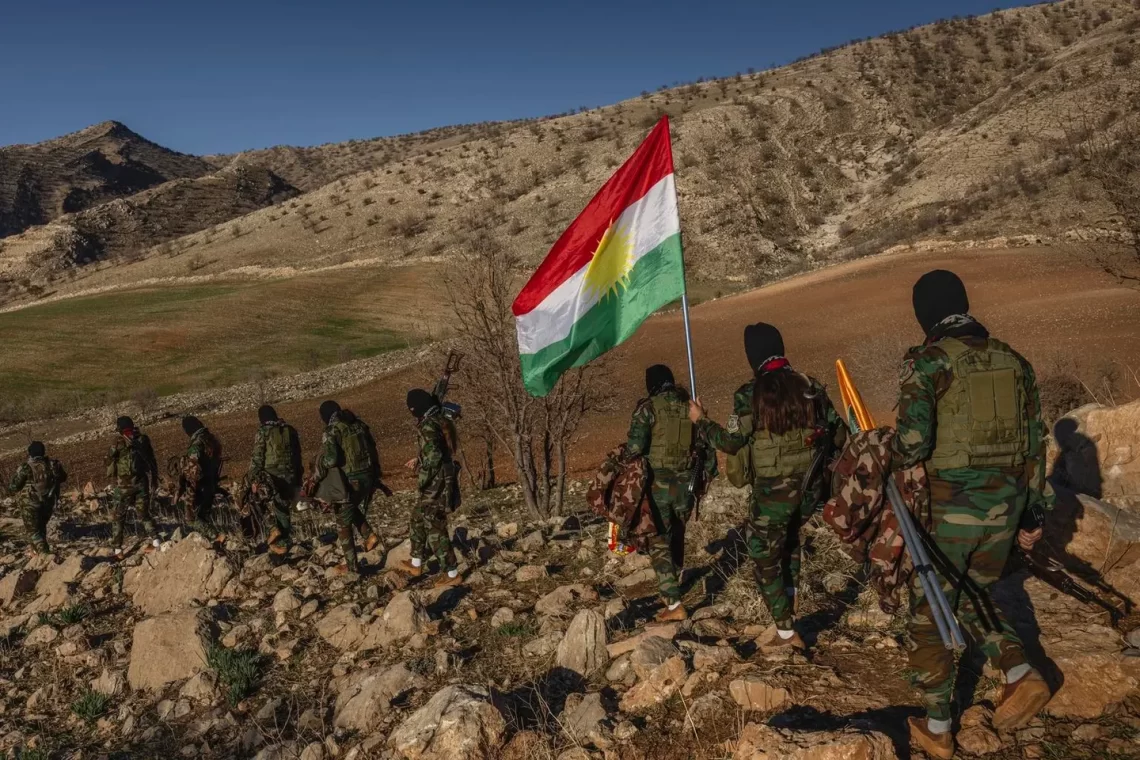
The most explosive detail of the interview involved the logistics of the covert operation. Trump admitted that the U.S. utilized regional Kurdish groups as the primary conduit for smuggling these arms across the border. However, in a display of characteristic candor that has alarmed military planners, the President suggested that the weapons may never have reached their intended civilian targets.
“We sent them [the protesters] a lot of weapons,” Trump stated. “We sent them through the Kurds. But I think the Kurds kept them for themselves. We sent the protesters weapons, a lot of them. And I think the Kurds took them.” This admission regarding arming Iranian dissidents raises harrowing questions about regional proliferation, as thousands of high-grade U.S. munitions are now unaccounted for in a combat zone already defined by ethnic and sectarian “fault lines.”
A Region on the Brink: Experts Warn of Irreversible Escalation
International relations experts and regional observers have labeled this move a “terrifying escalation” and a blatant violation of international law regarding sovereign borders. By arming Iranian dissidents—or attempting to do so through unaccounted-for proxies—the U.S. is seen as transforming the conflict from a maritime and aerial war over the Strait of Hormuz into a decentralized proxy war that could spark a multi-generational civil war within Iran.
The strategic risk is twofold:
-
The “Babel” Risk: Iran has already responded to the pressure by threatening to close the Bab-el-Mandeb Strait, in addition to the Strait of Hormuz, potentially strangling global trade entirely.
-
Terror Proliferation: Analysts warn that Trump’s casual uncertainty about where the weapons ended up (“the Kurds took them”) signals a breakdown in U.S. command and control, creating a vacuum where illegal armaments could fuel extremist groups for decades.
As the war shifts from the high seas to the streets of Iranian cities, the “uncontrolled” nature of these arms shipments suggests that Washington’s strategy has evolved into a scorched-earth policy, prioritizing the destabilization of the Tehran government over any semblance of regional order.