



Traffic Insurance Premiums Surge in Turkey as 2026 Tariffs Reveal 500% Risk Gap
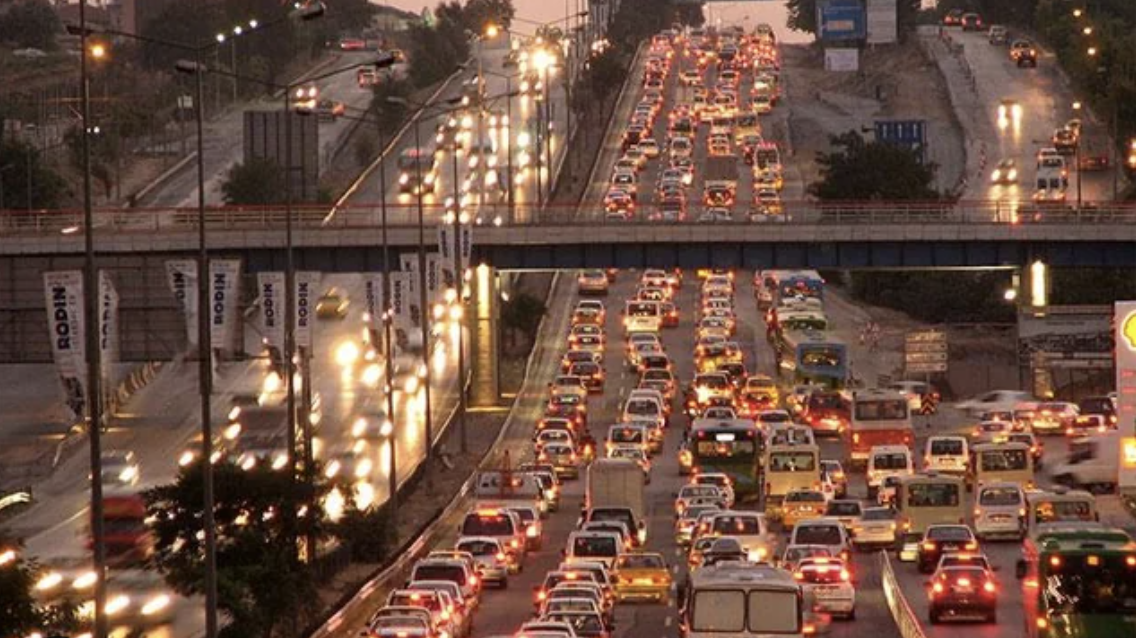 Traffic in Turkey
Turkey’s Insurance Information and Monitoring Center (SBM) has officially announced the new maximum compulsory traffic insurance premiums that will apply as of January 2026, revealing a dramatic widening between low-risk and high-risk drivers. Under the updated tariff, the price difference between the safest and riskiest drivers has reached nearly 500%, marking one of the sharpest disparities seen in recent years.
The new pricing framework affects nearly 32 million vehicle owners, all of whom are legally required to renew their mandatory third-party liability insurance each year. According to SBM data, premiums are calculated using a step-based risk system, and the latest adjustments place a particularly heavy burden on drivers with accident histories and commercial vehicle operators.
Risk-Based Step System Drives Sharp Price Differences
At the core of the new tariff lies the eight-step risk classification system, which determines insurance costs based on driving history and claims records. Drivers in the “zero step” category are considered the highest risk, while those in the “eighth step” represent the safest segment with clean records.
With the January 2026 update, the gap between these categories has expanded significantly. Media reports highlight that the difference in premiums between the lowest and highest risk groups now approaches fivefold, reinforcing a strong financial incentive for accident-free driving while sharply penalizing repeat claims.
Istanbul Premiums Set the National Benchmark
Istanbul continues to lead the country in both traffic density and insurance costs. For private passenger vehicles, the new figures show:
A driver registering a car for the first time in Istanbul (classified under the 4th step) must pay a minimum of 15,160 TL.
For drivers in the highest risk group (0th step), the premium climbs to 45,479 TL.
In contrast, motorists with a clean driving record in the 8th step benefit from significantly lower premiums, with costs falling to 7,580 TL.
These figures underline how accident history directly translates into financial consequences, particularly in metropolitan areas with intense traffic conditions.
Premium Comparison Across Turkey’s Three Largest Cities
The updated tariff also clarifies how premiums vary across major urban centers. For internal combustion engine passenger cars, the January 2026 maximum premiums are structured as follows:
In Istanbul, the range spans from 45,479 TL for the riskiest drivers to 7,580 TL for the safest.
In Ankara, premiums range between 44,192 TL and 7,365 TL.
In Izmir, drivers face costs between 42,905 TL and 7,151 TL.
Although Istanbul remains the most expensive market, the differences among the three largest cities are relatively narrow at the top end, reflecting similar risk assessments in densely populated regions.
Commercial Vehicles Face Record-Breaking Costs
The most striking increases appear in the commercial transportation sector, where insurance premiums have effectively become a major operating expense. SBM data shows that taxis, minibuses, and buses are now subject to extraordinarily high mandatory insurance costs, particularly in Istanbul.
For commercial taxis in Istanbul, maximum premiums vary dramatically based on risk level, ranging from 20,366 TL to 122,198 TL. This wide span reflects the high accident exposure associated with urban passenger transport.
The situation is even more pronounced for large buses. Vehicles with a seating capacity of 31 passengers or more now face an Istanbul maximum premium of 292,890 TL, the highest figure in the newly announced tariff. Similar upward trends are also observed in Ankara and Izmir, confirming that heavy commercial vehicles remain the costliest category nationwide.
Industry representatives warn that such premiums may ultimately translate into higher transportation fares, as operators struggle to absorb rising insurance expenses.
Enforcement Tightened for Uninsured Vehicles
Alongside the new pricing, authorities have reinforced enforcement measures targeting uninsured vehicles. Driving without a valid traffic insurance policy in 2026 carries immediate and tangible penalties.
Vehicle owners found without active insurance face a 1,246 TL administrative fine. In addition, the uninsured vehicle is banned from traffic and towed to a parking facility until a valid policy is issued. The vehicle can only be released once proof of insurance is provided, adding towing and parking costs to the financial burden.
Officials emphasize that these measures aim to ensure universal compliance, protect accident victims, and reduce the number of uninsured vehicles on Turkish roads.
What the New Tariff Signals for Drivers
The January 2026 traffic insurance tariff sends a clear message: risk has a price, and that price is rising rapidly for drivers with poor safety records. While safe drivers continue to benefit from relatively lower premiums, high-risk categories—especially in commercial transport—are facing historically high costs.
Experts advise vehicle owners to closely monitor their policy renewal dates, maintain accident-free records, and compare insurer offerings within the legally defined maximum limits. As Turkey’s traffic density and claims costs continue to rise, the step-based system is expected to play an even more decisive role in shaping insurance expenses in the years ahead.