Tim Ash Türkiye Trip Notes: Politics, Markets, and Geopolitics Through a Risk Lens
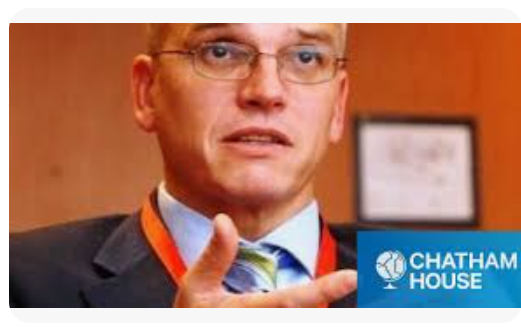 tim ash
After several days in Türkiye meeting think tanks, analysts, journalists, and diplomats, one theme stood out clearly: despite political noise and regional volatility, President Recep Tayyip Erdoğan remains firmly in control of both the political narrative and the economic framework heading toward the next election cycle.
From a market-risk perspective, Türkiye today looks more stable—politically and economically—than many outside observers assume.
Domestic Politics: Erdoğan Still Sets the Field
It appears increasingly unlikely that Istanbul Mayor Ekrem İmamoğlu will be released anytime soon, as he faces multiple corruption-related charges. The opposition views the judicial process as politically motivated, arguing that keeping İmamoğlu detained prevents him from challenging Erdoğan in elections expected by 2028.
Within the CHP, attention has shifted to alternative candidates, notably party leader Özgür Özel and Ankara Mayor Mansur Yavaş. Both, however, face structural weaknesses: Yavaş may struggle to attract Kurdish voters, while Özel must contend with internal party divisions—dynamics Erdoğan has historically exploited effectively.
The prevailing sentiment among market participants is that Erdoğan would be comfortable facing either challenger, particularly if the current economic stabilization program continues and foreign policy developments remain favorable.
Crucially, a repeat of the market volatility seen around İmamoğlu’s March 2025 arrest appears unlikely unless opinion polls turn decisively against Erdoğan. That said, the judicial system will likely continue to apply pressure on the opposition, keeping political uncertainty alive at the margins.
Succession Talk, But Erdoğan Still Running
Despite growing speculation about succession, the consensus remains that Erdoğan intends to run again—provided his health allows. Constitutional constraints are widely expected to be resolved either through an early election or legal adjustments.
Among potential successors within the ruling camp, three names recur: Foreign Minister Hakan Fidan, Erdoğan’s son Bilal Erdoğan, and son-in-law Selçuk Bayraktar. Market and political insiders largely dismiss Bilal Erdoğan’s electability, while Bayraktar is seen as a credible technocratic option due to Baykar’s global defense success. Fidan, however, currently appears best positioned, having benefited from Türkiye’s increasingly central diplomatic role.
Still, all succession scenarios remain secondary. The base case is Erdoğan himself running in 2027–28.
Kurdish Peace Process: Conditions Are Aligning
Several factors suggest momentum toward a renewed Kurdish peace initiative. These include the PKK’s weakened military position, regional shifts in Syria, evolving US policy under Donald Trump, and—most strikingly—the proactive role taken by MHP leader Devlet Bahçeli.
From Erdoğan’s perspective, Kurdish reconciliation offers both strategic and electoral advantages. While nationalist sensitivities remain a constraint, the potential payoff is large enough that both Erdoğan and Bahçeli appear willing to push the process forward.
Foreign Policy: Türkiye at the Center of the Board
Türkiye’s geopolitical position has strengthened markedly. Ankara has become a key interlocutor for Washington on Gaza, Iran, Syria, and Ukraine, aided by Erdoğan’s personal rapport with Donald Trump. Relations with Gulf states—especially Saudi Arabia—have improved significantly, driven by shared interests in defense cooperation and regional stability.
Europe, meanwhile, faces a strategic dilemma. As US security guarantees weaken, Türkiye offers practical solutions to Europe’s defense gaps, from drones and munitions to shipbuilding and armored vehicles. Despite political tensions, deeper defense cooperation increasingly looks unavoidable.
The Economy: Stabilization Holds
The consensus among economists and investors is that Finance Minister Mehmet Şimşek and his stabilization program will remain in place through the election cycle.
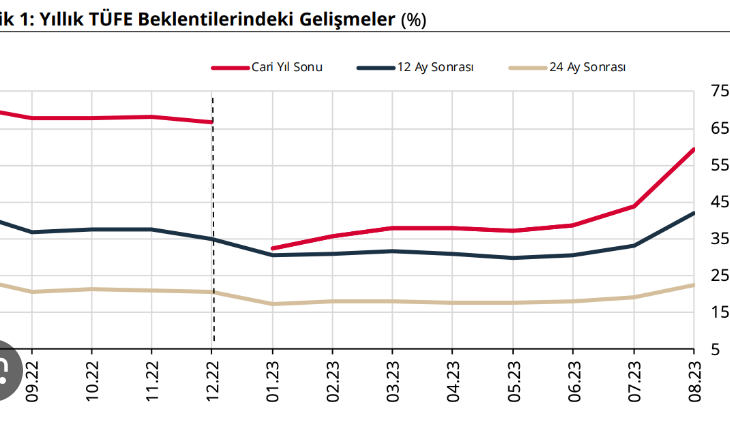
The turnaround since mid-2023 has been notable. Net international reserves have recovered by over $100 billion, inflation has more than halved, fiscal deficits remain modest, and public debt is below 30% of GDP. Growth continues at 3–4% despite high real interest rates, while unemployment remains contained.
Critics argue that faster disinflation was possible, but policymakers counter that tighter policies would have risked recession, unemployment, and financial stress—outcomes politically untenable ahead of elections. The current strategy reflects a conscious trade-off: tolerating higher inflation in exchange for growth and stability.
From a market perspective, systemic crisis risks appear low before the next election. While inflation remains elevated, macro stability has improved substantially, making the economy less of a liability for Erdoğan heading into 2027–28.
PA Turkey intends to inform Turkey watchers with diverse views and opinions. Articles on our website may not necessarily represent the view of our editorial board or count as endorsement.
Follow our English YouTube channel (REAL TURKEY): https://www.youtube.com/channel/UCKpFJB4GFiNkhmpVZQ_d9Rg
Twitter: @AtillaEng
Facebook: Real Turkey Channel: https://www.facebook.com/realturkeychannel/