The Twilight of the Erdogan Era: A Legacy of Transformation and Turmoil
 rte twilight
By Robert Ellis, reprinted from National Interest with author’s permission
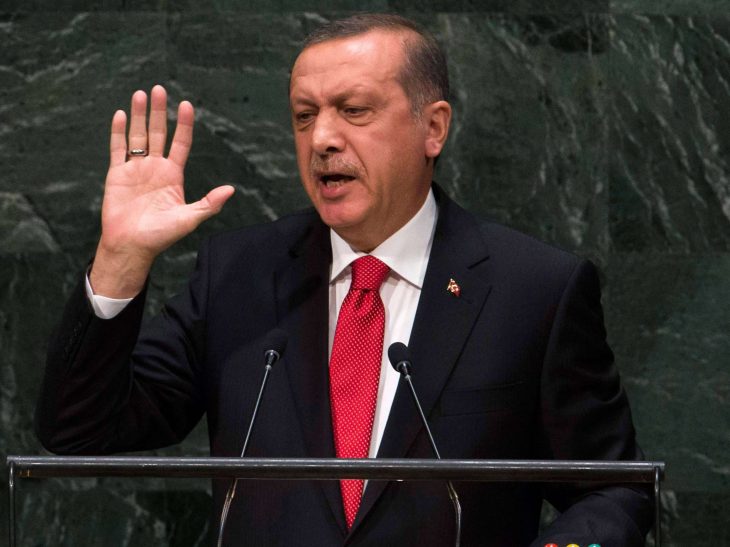
As Recep Tayyip Erdogan approaches his 72nd birthday, the physical and political toll of nearly a quarter-century at the helm of Turkey is becoming impossible to ignore. Since rising to power in 2002, the leader of the Justice and Development Party (AKP) has systematically reshaped a nation once defined by strict secularism into a centralized executive presidency aligned with Islamic values. However, as 2026 unfolds, the “Grand Plan” that began during his tenure as Istanbul’s mayor in 1994 appears to be entering a turbulent final chapter, marked by societal exhaustion and a relentless crackdown on the political opposition.
The Architect of a New Turkey
Erdogan’s early years were characterized by undeniable modernization. Following the 2001 economic collapse, his administration—guided by then-Economy Minister Ali Babacan—oversaw a period of explosive growth. Infrastructure became the hallmark of the AKP: massive road networks, bridges, dams, and a burgeoning defense industry that transformed Turkey into a regional strategic powerhouse.
Crucially, Erdogan’s rule facilitated a historic transfer of power. The old, secular Kemalist middle class was supplanted by the “Anatolian Tigers”—a new, conservative, and pious Islamic middle class from heartland cities like Konya and Gaziantep. By lifting the headscarf ban and integrating these religious segments into public life, Erdogan fundamentally altered the Turkish social fabric.

The Weaponization of the Judiciary
The consolidation of this vision required the dismantling of institutional obstacles. This was achieved through high-profile “show trials” like Ergenekon (2007) and Balyoz (2010), which crippled the secular military elite. While the Constitutional Court eventually ruled that evidence in these cases was fabricated, the precedent was set: the judiciary had become an effective tool for suppressing dissent.
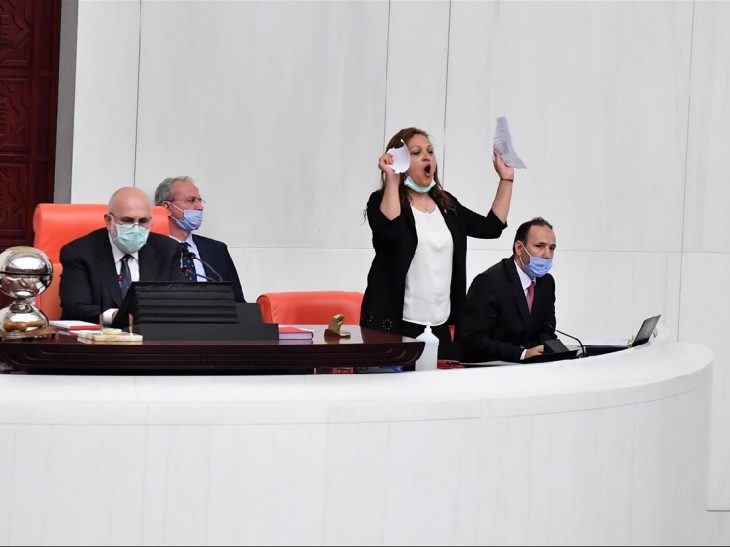
Following the 2016 coup attempt—blamed on his former ally, Fethullah Gülen—Erdogan’s purges grew more expansive. Today, the crosshairs have shifted to the Republican People’s Party (CHP), the party of modern Turkey’s founder, Mustafa Kemal Atatürk. In a report titled “The Judiciary Against the Ballot Box,” the CHP details a systematic assault involving the imprisonment of mayors, journalists, and satirists. As the AKP fears the outcome of the next general election following their 2024 local election defeat, the removal of parliamentary immunity for CHP deputies has become a primary strategy for survival.
A Nation in Burnout
Despite the grand rhetoric of the “Century of Türkiye,” the domestic mood is increasingly bleak. A December 2025 survey by Metropoll titled “Societal Burnout, Trust and Expectations for 2026” paints a haunting picture:
-
High Burnout: Two-thirds of the population live under overwhelming anxiety about the future and a pervasive sense of helplessness.
-
Economic Despair: One in three people in Turkey—roughly 25 million individuals—face enforcement files or foreclosure due to non-payment of debts.
-
Brain Drain: Over 40% of citizens aged 18–34 would prefer to live in another country, directly contradicting Erdogan’s claim of walking “hand in hand with our youth.”
The International Impasse
On the global stage, Turkey’s path remains obstructed. While Foreign Minister Hakan Fidan—a top contender to succeed Erdogan—blames the European Union’s mindset for the stalled membership bid, European officials remain blunt. Nacho Sánchez Amor, the EP’s rapporteur for Turkey, recently described the rule of law in the country as a “complete disaster,” noting that Turkey’s problem is not its religion, but its lack of democracy.
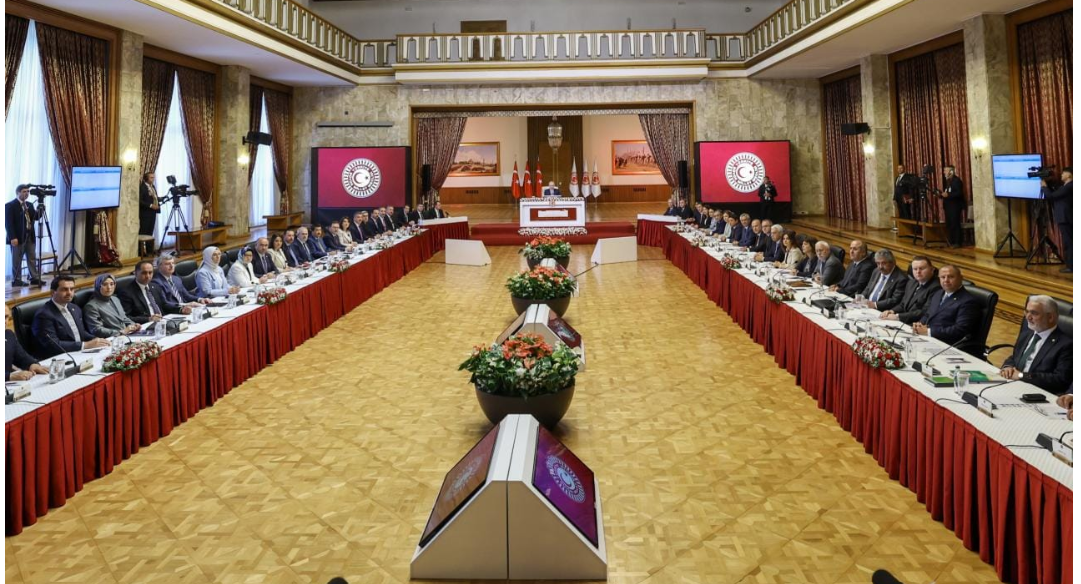
As centralized state power replaces elected local officials with government-appointed trustees in CHP and DEM-governed municipalities, the Turkish electorate is shifting toward either political apathy or active protest. Erdogan’s constitutional vision of a one-man presidency is complete, but it has left a nation fractured, indebted, and looking toward an uncertain horizon.
About the Author
Robert Ellis is a distinguished Turkey analyst and commentator with decades of experience in the region’s geopolitical landscape. He serves as an international advisor at the Research Institute for European and American Studies (RIEAS) in Athens and is a frequent contributor to the Danish and international press. Ellis previously provided his expertise as an advisor to the Turkey Assessment Group in the European Parliament and served as a senior fellow at the Gatestone Institute in New York. His deep understanding of Turkish internal dynamics and EU-Turkey relations makes him one of the foremost voices on the country’s transition under the AKP.
PA Turkey intends to inform Turkey watchers with diverse views and opinions. Articles on our website may not necessarily represent the view of our editorial board or count as endorsement.
Follow our English YouTube channel (REAL TURKEY):
https://www.youtube.com/channel/UCKpFJB4GFiNkhmpVZQ_d9Rg
Twitter: @AtillaEng
Facebook: Real Turkey Channel: https://www.facebook.com/realturkeychannel/